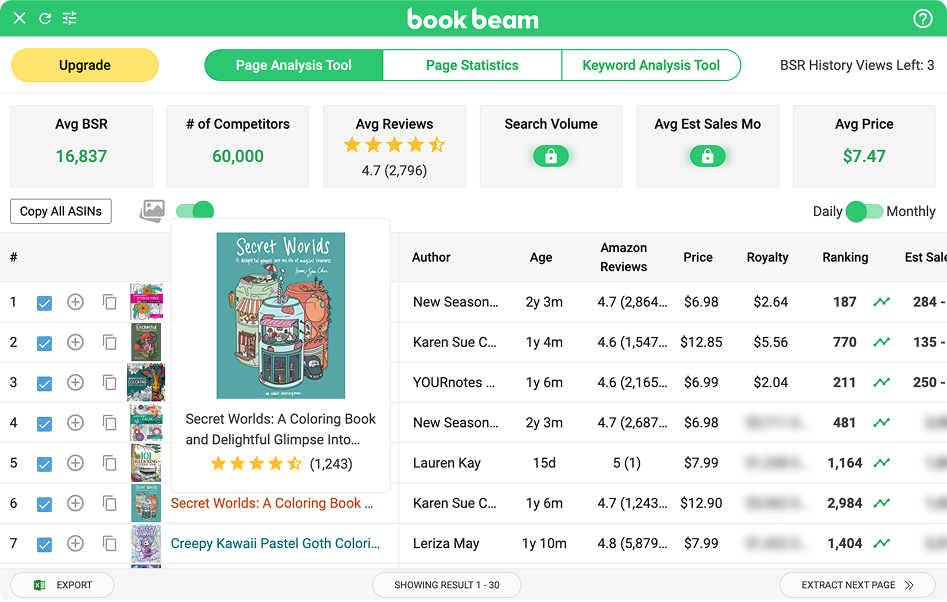

Unlocking the right Amazon keywords is the difference between a book lost in the crowd and one that consistently sells. Whether you’re an aspiring or experienced KDP self-publisher, mastering niche keyword research is essential for getting your titles in front of motivated buyers, not just browsers. In this guide, you’ll discover proven strategies for identifying high-potential niche keywords and powerful top keywords, so you can target markets with less competition, higher demand, and greater sales potential using data-driven insights, not guesswork.
Key Highlights
- Mastering Amazon keyword research is crucial for boosting KDP book visibility and sales using data-driven strategies instead of guesswork.
- BookBeam’s analytics reveal high-impact niche keywords and monitor trends, helping self publishers discover untapped, profitable opportunities.
- Combining broad and long-tail keywords maximizes reach, attracts targeted audiences, and improves conversion rates for your Amazon listings.
- Competitor analysis and ongoing keyword optimization are key for adapting to trends and outperforming successful Amazon publishers.
- Downloadable resources and BookBeam’s toolkit streamline keyword validation, enabling confident, actionable publishing decisions for lasting KDP growth.
Understanding the Importance of Amazon Keyword Research for KDP Success
If you want your books to sell on Amazon, you can’t ignore the role of powerful amazon keyword research strategies. Choosing the right keyword for your amazon product listings isn’t just about filling out fields, it’s the backbone of attracting readers, driving traffic, and increasing book sales on Kindle Direct Publishing (KDP). Effective amazon keyword analysis reveals genuine demand, informs your amazon listing optimization, and lets you compete for popular searches. Successful sellers consistently leverage accurate keyword research, using modern tools and data to adapt and stay ahead of changing trends. By mastering keyword research fundamentals, you’ll uncover new opportunities to boost the visibility of your product, learn from top sellers, and set your books apart amidst a flood of competition.
How Accurate Amazon Keyword Strategies Drive Visibility and Book Sales
To break through on Amazon, you need more than guesswork, you need proven amazon keyword research strategies rooted in real data and ongoing analysis. By focusing on amazon keyword suggestions generated by reliable tools, self publishers can identify traffic-driving keywords for their amazon products that buyers actually type into searches. This approach elevates your amazon listings to the top of relevant search results, exposing your product to readers ready to purchase. Instead of blindly guessing which keywords might work, let amazon keyword research tools analyze marketplace data for you, highlighting profitable terms competitors may overlook. Consistently using keyword research methods ensures you’re targeting keywords with significant search traffic and manageable competition, helping your listings remain visible over time.
Effective amazon keyword strategies also let you adapt quickly when trends shift. Savvy sellers track changing searches and spot fresh opportunities before rivals do, allowing them to refine amazon listing metadata for better amazon SEO and reach. Every update you make on the basis of accurate keyword data compounds, generating sustained growth and positioning your books to convert browsers into buyers. For real KDP success, there’s no shortcut, master your keyword analysis and keep evolving your approach to stay ahead in the ever-changing amazon marketplace.
Identifying High-Impact Niche Keywords Using BookBeam’s Analytics
If you want to consistently stand out in the Amazon marketplace, mastering the art of uncovering high-impact niche keywords is critical. BookBeam empowers self publishers by providing advanced keyword analysis, so you’re no longer left guessing which categories or searches matter most. With real-time marketplace data and powerful keyword tracker tools, you can pinpoint untapped amazon niche opportunities before they become crowded by other sellers. Leveraging bookbeam not only sharpens your keyword research but also reveals the competitor keywords and traffic trends that separate thriving books from undiscovered listings. Let’s break down practical strategies to find effective keywords using BookBeam’s analytics and take the guesswork out of sustainable growth.
Practical Steps to Uncover Untapped Opportunities in Amazon’s Marketplace
Unlocking profitable amazon niche opportunities starts with a systematic keyword analysis approach. First, use BookBeam’s robust keyword tracker to discover under-the-radar niche keywords across various amazon categories. Begin by analyzing top-performing keywords from current bestsellers and drilling down to their associated subcategory data, which highlights where traffic is strong but competition is less intense. BookBeam offers tools that collate keyword research across listings, so you can quickly compare what’s trending against what’s oversaturated and spot gaps most sellers overlook.
Next, implement BookBeam’s keyword analysis by entering broad search terms and letting the tool suggest related keywords, surfacing those with meaningful traffic that haven’t yet been dominated by bigger competitors. Tightly focus your search on related amazon keyword terms with a healthy balance of volume and lower competition, these are golden opportunities for self publishers seeking a sustainable edge. Continually monitor competitor keywords using BookBeam’s analysis dashboard: it reveals which keywords are driving sales for top listings and flags emerging terms. Finally, organize all findings by category, track them with the integrated keyword tracker, and update your listings frequently to align with evolving search patterns. This disciplined, data-driven approach ensures every keyword in your arsenal serves a real purpose in your amazon SEO strategy. Remember, it’s not just about finding keywords; it’s about targeting the right traffic and positioning your titles where buyers are actively searching. Take these steps, and let BookBeam turn your amazon keyword research into actionable results that lead to measurable publishing success.
Exploring Long-Tail Keywords: Unlocking Targeted Amazon Audiences
Long-tail keywords hold the secret to reaching specific, ready-to-buy audiences on Amazon. Instead of fighting for the most obvious, high-traffic terms, savvy self publishers delve into keyword analysis to uncover reader-specific keyword suggestions that their target market is actually typing into search. These niche keywords have less competition and higher conversion rates, offering you the chance to connect your product directly with readers actively looking for books in your category. Building a strategic keyword list based on long-tail amazon keyword data lets you drive targeted traffic to your book listings and increase your visibility without getting lost among top sellers chasing generic terms. By integrating analytics-driven keyword research, you’ll unlock valuable insights, stay ahead of trends, and transform browsers into loyal buyers, paving the way for growing sustainable publishing income.
Finding Reader-Specific Phrases That Convert Browsers into Buyers
If you’re serious about maximizing sales as an Amazon self publisher, targeting long-tail keywords is a game changer. These are reader-specific phrases, unique combinations of keywords shoppers type when looking for exactly what they want. Instead of just “cookbook,” a savvy seller will uncover keyword suggestions like “easy vegan slow cooker recipes for beginners,” capturing niche traffic and improving conversion rates. Using BookBeam’s analytics, you can build a robust keyword list by analyzing actual search data, isolating high-intent amazon keywords missed by most sellers in your category. This real-world keyword analysis lets you identify which product listings already rank for those long-tail terms, spot gaps, and find opportunities to out-position less focused competitors.
Effective niche keyword research also means diving deep into the type of keywords your ideal audience uses, whether that’s topic, solution, or even pain-point-driven phrases. List out promising keywords, categorize them by buyer intent, and refine your listings with those phrases to boost visibility. The benefit? You won’t just attract random traffic; you’ll connect directly with readers who are primed to buy, helping you move inventory faster and establish authority in specific amazon channels. Don’t just guess which keywords will win, let data-backed product research guide your strategy every time. With the right approach, long-tail keywords become the blueprint for transforming your amazon product into a bestseller, making every keyword choice a step toward sustainable publishing growth.
Amazon SEO Fundamentals for Self Publishers
A stellar Amazon SEO strategy is non-negotiable for self publishers looking to turn their books into consistent bestsellers. To truly compete, you need to understand how keywords, metadata, and product listings work in tandem to boost your book’s discoverability in relevant categories, drive traffic, and generate sales. By leveraging accurate keyword analysis and data-driven tools, you shift your approach from guesswork to precision. This foundation allows you to track performance, adapt quickly to market shifts, and make smarter decisions when updating your amazon listing. Let’s dive into mastering your listings with effective keywords and metadata, and see how these essentials power your publishing journey.
Optimizing Your Listings with Effective Keywords and Metadata
Optimizing your Amazon product listings begins with a strategic approach to keywords and metadata, these are the cornerstones of amazon SEO that separate bestselling books from those lost in the crowd. Start by performing in-depth analysis using real marketplace data: identify high-potential amazon keywords aligned with your book’s topic, and ensure they naturally fit the language of your intended audience. Use tools designed for self publishers to analyze what keywords are already driving traffic to leading listings in your category, then distill those insights into your own metadata and product listing content. This means not just sprinkling keywords in your book title or description, but thoughtfully placing them in your backend metadata fields, ensuring your product shows up in searches that really matter.
Effective keyword strategy is more than just broad volume chasing; it’s about finding that sweet spot where demand meets opportunity. Regularly track your keyword performance, using amazon SEO tools to monitor which terms are generating real traffic and which need revisiting. Analyze data trends to optimize your listings with timely adjustments, keeping pace with changes in category competition. Each update to your metadata, whether it’s correcting keywords or refining your product title, compounds your visibility gains. Remember, every listing update is a chance to climb closer to the top, let data-driven keyword research be the backbone of your product’s amazon SEO roadmap. If you want to avoid wasted effort and accelerate tangible results, prioritize ongoing analysis and keep your eye on both customer searches and evolving keyword opportunities.
Balancing Broad and Specific Amazon Keyword Selections
Achieving standout visibility on Amazon hinges on finding the right balance between broad and specific keywords for your product listings. Too often, sellers gravitate towards either ultra-generic or hyper-niche keywords, missing out on the power of using them in strategic combination. To drive maximum traffic and cultivate lasting sales, your keyword list should reflect both high-volume, broad keywords and more precise, niche terms tailored to your category and product type. By blending these approaches, you can secure traffic from a wider net of buyers, while also ranking for targeted searches that often lead to higher conversion rates. Let’s explore how to strategically mix generic and niche keywords, and why this balance is crucial for dominating your listings’ category on Amazon.
Strategically Mixing Generic and Niche Terms for Maximum Reach
Mastering Amazon keyword strategy isn’t about choosing just broad or niche terms, it’s about the synergy created by mixing both in your listings. Start by identifying foundational, high-traffic, generic amazon keyword options for your type of product. These terms increase your baseline visibility by tapping into broad buyer groups searching in your category. However, relying only on generic keywords can cause your listings to blend in with the crowd, making it tough to stand out from established sellers with higher rankings and more reviews.
That’s where niche keywords come into play. Use targeted, specific phrases, rooted in keyword research, analysis, and real amazon data, to speak directly to buyers who know exactly what they’re after. For example, supplementing a broad term like “notebook” with “dotted bullet journal for mindfulness” transforms your keyword list from generic to conversion-focused. By leveraging both keyword types, you harness the reach of broad keywords while capturing high-intent niche traffic that less-savvy sellers overlook. The result? Your listings gain more exposure, climb higher in your product’s category, and attract motivated buyers primed to purchase.
The real key is ongoing analysis: continually track which keywords are driving qualified traffic. Optimize and adjust your keyword list based on data, not opinion. Direct competitors are always evolving their listing strategies, consistent research keeps you ahead and ensures every product you publish achieves sustainable growth. Embrace the balance between broad and specific keywords, and let that data-driven mix fuel your Amazon publishing results.
Competitor Analysis: Gaining Insights from Successful Amazon Publishers
If you want to outperform other Amazon sellers, learning from those already succeeding in your category is a smart move. Competitor analysis isn’t just about seeing what keywords or product listings other publishers use, it’s about uncovering the strategies and data-driven choices behind their success. Using modern tools like keyword trackers and comprehensive analysis, you can reverse engineer the performance of top listings and discover which keywords actually push books to the front page. By analyzing competitor keywords, sales data, and category trends, self publishers can adapt their approach to keep their own products relevant and competitive. Armed with these insights, you’re better equipped to refine your keyword research and ensure your book stands out in the crowded Amazon marketplace.
Tracking Performers and Adapting Your Keyword Research Approach
The real-world advantage in Amazon publishing comes from meticulous analysis and tracking of fellow sellers’ strategies. Start by selecting a handful of top-performing books in your category and scrutinize their product listings, paying close attention to the amazon keywords they use in their titles, descriptions, and backend metadata. With a robust keyword tracker, you can monitor shifts in keyword rankings and spot which competitor keywords consistently drive sales. These insights let you identify emerging trends and respond with precision, rather than relying on intuition or outdated tactics.
Utilize advanced keyword research tools to extract competitor keywords, then map those keywords back to the category and product performance metrics you observe. The process isn’t just to mimic, but to analyze what these sellers are doing right and how you can differentiate your listings while leveraging what’s proven to work. Interpreting sales data and performance analytics helps you refine your own keyword list, prioritize high-impact keywords, and discard terms that aren’t moving the needle. Over time, continual analysis of top listings not only spots gaps you can fill but also enhances your overall understanding of keyword dynamics on Amazon. By adopting a growth mindset, tracking, adapting, and continually updating your approach based on real data, you transform competitor insights into actionable strategies that fuel sustainable publishing income. Don’t let your keyword strategy go stale; keep learning from the best, evolve your tools and tactics, and ensure your book listings always resonate with what buyers are truly searching for.
Best Practices for Finding Profitable Amazon Keywords
To consistently thrive in Amazon KDP publishing, it’s essential to master the best practices for keyword research that cut through noise and guesswork. Profitable amazon keywords are uncovered not by luck, but through disciplined analysis of data, category trends, and the strategies of successful sellers. Implementing proven tactics ensures your amazon product listings attract targeted traffic and stay ahead of shifting market trends. Utilizing the right tools lets you build a keyword list tailored to both your product type and buyer intent, creating a foundation for long-term sales growth. Equip yourself with ongoing, actionable, and repeatable research routines to systematically find, validate, and optimize top keywords for your books.
Checklist and Actionable Tips for Ongoing Market Research
Creating a routine for effective amazon keyword research isn’t just about running a search once, it’s about using a repeatable system that grows alongside your business. Start by identifying the specific product type and category your book fits into, then perform thorough analysis of current high-performing listings within those areas. With each new listing, review what keywords top sellers are targeting by analyzing their titles, bullet points, and backend metadata, their choices often give valuable clues about trending search behavior. Build and maintain a living keyword list, regularly updating it based on amazon keyword tools and real marketplace data. Use analysis tools to track which keywords consistently drive sales and which fall flat, letting data, not hunches, guide every update.
Don’t neglect competitor research; monitoring leading sellers reveals shifts in keyword trends and highlights terms that gain traction as the market evolves. Integrate keyword research software into your publishing workflow so that every product launch or relist benefits from fresh, validated data. Adapt quickly by reviewing sales and ranking data across all your listings monthly, testing adjustments to your keyword strategy based on the outcomes. As new tools or analytics become available, incorporate them into your best practices to keep your methods sharp. Ultimately, the secret isn’t a one-time analysis; it’s the discipline of ongoing, consistent market research guided by actionable data. This mindset positions your books to attract targeted traffic, stay visible in crowded categories, and grow sustainable sales as amazon’s landscape shifts.
Leveraging BookBeam for Efficient Keyword Research and Validation
Efficiency in keyword research and validation can make or break a publisher’s rise on Amazon. BookBeam streamlines keyword research by combining advanced tools, live category data, and actionable analytics to help self publishers make smarter decisions, faster. Whether you’re searching for the perfect amazon keyword, vetting successful sellers, or tracking competitor product performance, BookBeam prioritizes real data over hunches. This foundation ensures every keyword, niche, and category you target is rooted in proven demand, giving you a sustainable competitive edge. Let’s explore how BookBeam accelerates niche validation and fine-tunes your publishing strategy for measurable marketplace results.
Streamlining Amazon Niche Validation for Data-Driven Publishing Decisions
Gone are the days when finding profitable amazon niche keywords relied on guesswork. BookBeam turns niche validation into a systematic, data-powered process, arming you with tools that instantly scan categories, analyze amazon keyword trends, and deliver real-time feedback on product viability. The cornerstone is a keyword tracker that lets you monitor traffic shifts and spot emerging opportunities before other sellers catch on. By feeding in your chosen amazon keywords or exploring new niche keyword ideas, BookBeam’s analysis engine compares how those terms perform across actual Amazon listings.
This layers of data, covering category trends, keyword search volume, competing products, and seller performance, make market validation both trustworthy and actionable. You’re not just identifying keywords; you’re building a formula for validation, confirming every keyword and category you pursue has real traffic and sales momentum. BookBeam’s tools allow you to filter results by competition and demand, helping you uncover gaps most sellers overlook. This means you can confidently launch new books, knowing every step, from research through analysis, aligns with proven data. Want to grow your income and reduce wasted effort? Let BookBeam guide your niche validation and amazon keyword research so you invest only where the numbers stack up. Try integrating BookBeam’s category analysis and keyword tracker into your publishing routine, and turn every idea into an informed, data-driven success.
Turning Insights into Action: Launching Books with Confidence on Amazon
Moving from analysis to execution is where your keyword research becomes a powerful asset for your Amazon KDP journey. Every data-driven insight and product keyword you’ve uncovered through tools like BookBeam should shape the decisions behind your listings, metadata, and book launches. By applying best practices that blend broad and niche keywords, and consistently referencing accurate category data, you create effective listings that attract precisely the traffic you want. This approach drastically reduces the risks associated with launching new products in competitive Amazon categories. To help sellers turn their knowledge into reliable results, let’s explore next steps and practical, downloadable resources that turn your research into sustained publishing growth.
Next Steps and Downloadable Resources for Smarter KDP Publishing
Now’s the moment to apply your amazon keyword research with confidence and structure. Start by reviewing all the data you’ve gathered, keywords, product categories, analysis results from BookBeam, and competitor listings. Create a prioritized checklist of your chosen keywords, sorted by type and traffic potential, making sure each aligns with your book’s category and intended audience. This documented keyword road map becomes your playbook for building listings that maximize both broad and niche keyword reach, a step rooted in real best practices gleaned from leading sellers.
Use downloadable resource templates and checklists, such as editable keyword research spreadsheets, competitor analysis trackers, and category data logs, to keep your market research systematic. These resources help ensure you’re always updating and refining your keyword lists based on current analysis, not outdated assumptions. For each new product or listing, lean on guided step-by-step tools: they walk you through filling metadata fields with your validated keywords, analyzing fresh traffic and sales data, and referencing what’s working for top Amazon sellers in your type and category.
If you want to accelerate your growth, turn to BookBeam’s resource library for data-backed coursework, downloadable checklists, and automation scripts that streamline everything from keyword analysis to ongoing market audits. Remember, the discipline to find, validate, and update keywords is what sets reliable sellers apart from those still guessing. Bookmark your core resources, share key templates with your publishing team, and revisit your analysis after every launch. Consistent, real-world application of these tools is the foundation for lists, products, and publishing decisions that drive lasting Amazon KDP results. Ready to take action? Download the templates and get started, let your insights fuel your publishing success story.
Mastering niche Amazon keyword research is essential for standing out in a crowded market and increasing your book’s discoverability. By integrating proven strategies and leveraging tools like BookBeam, you can confidently pinpoint high-value keywords that connect your content with eager buyers. Take the next step, start applying these techniques and turn data-driven insights into publishing success. To accelerate your growth, download our free keyword research workbook or explore BookBeam’s toolkit and streamline your path to profitable, sustainable KDP publishing today.