Choosing the right keywords is the foundation of success for any Amazon KDP self publisher. Strategic keyword selection doesn’t just boost your book’s visibility, it puts your work in front of readers ready to buy. This step-by-step guide will walk you through proven methods to find high-impact keywords, validate demand, outmaneuver the competition, and position your book for maximum sales. Whether you’re a first-time author or a seasoned publisher, mastering keyword research is essential to unlocking your book’s potential and sustaining long-term growth on Amazon KDP.
Key Highlights
- Strategic keyword research is crucial for maximizing a book’s visibility and Amazon KDP sales.
- Effective use of tools like BookBeam and Publisher Rocket enables data-driven keyword selection and competitor analysis.
- Long-tail and niche-specific keywords help publishers target readers with strong buying intent and less competition.
- Filtering, prioritizing, and properly placing keywords in titles, subtitles, and metadata enhance book discoverability.
- Ongoing keyword audits and compliance with Amazon policies are vital for sustainable publishing success.
The Fundamentals of Amazon KDP Keywords: Why They Matter for Self Publishers
Amazon KDP keywords aren’t just buzzwords, they’re the secret sauce behind every successful book launch and a thriving publishing career. Too many self publishers treat keywords as an afterthought, but the truth is, these key phrases can make or break your visibility, sales, and long-term growth as an author. Choosing the right keywords connects your book with real readers actively searching for new books, whether it’s through organic searches or Kindle recommendations. Understanding how KDP keywords influence Amazon’s algorithms unlocks new opportunities for authors eager to publish smarter, not harder. Mastering the fundamentals gives you a solid foundation for effective keyword research and helps you find your next publishing win.
Understanding How Keywords Influence Book Discovery on Amazon
The importance of KDP keywords in your Amazon journey goes far beyond simple metadata. When aspiring authors and experienced publishers select the right keywords, they’re putting their book directly in front of readers who are actively searching for those specific type of books. Every time a potential buyer enters a search term, whether short or long-tail, Amazon’s complex search algorithm analyzes millions of books to match searches with the most relevant results. This is why mastering keyword research and truly understanding how keywords function as discovery tools is essential for anyone serious about Kindle publishing.
Smart KDP keyword selection isn’t just about stuffing as many keywords as possible into your seven KDP slots or using popular terms you think might work. It’s a strategic process: doing the homework to find those keywords and key phrases that real readers actually use in their searches. When you find the right amazon keyword matches, your book has the chance to show up alongside bestsellers, increasing organic visibility and getting into shoppers’ hands a lot faster.
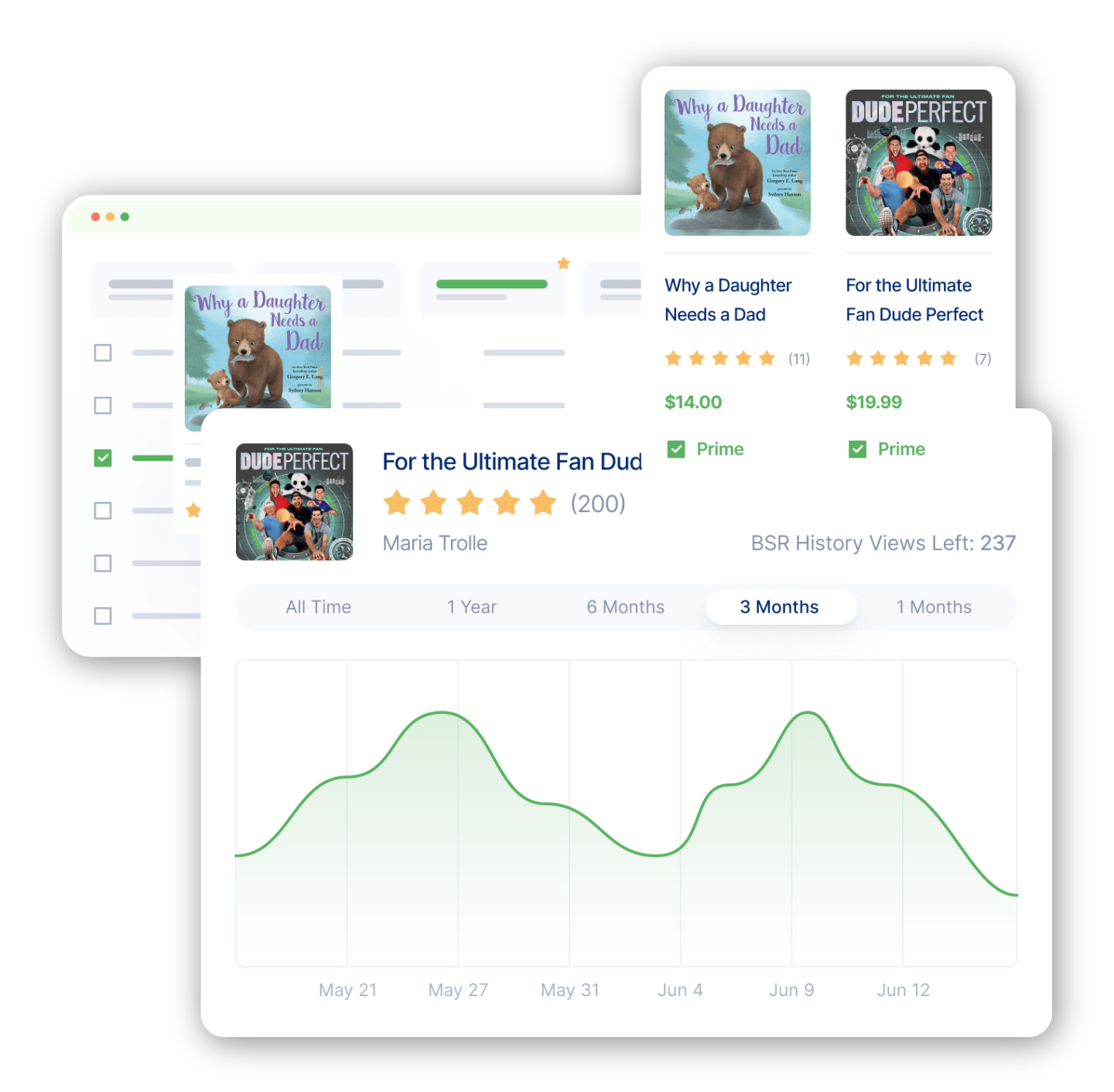
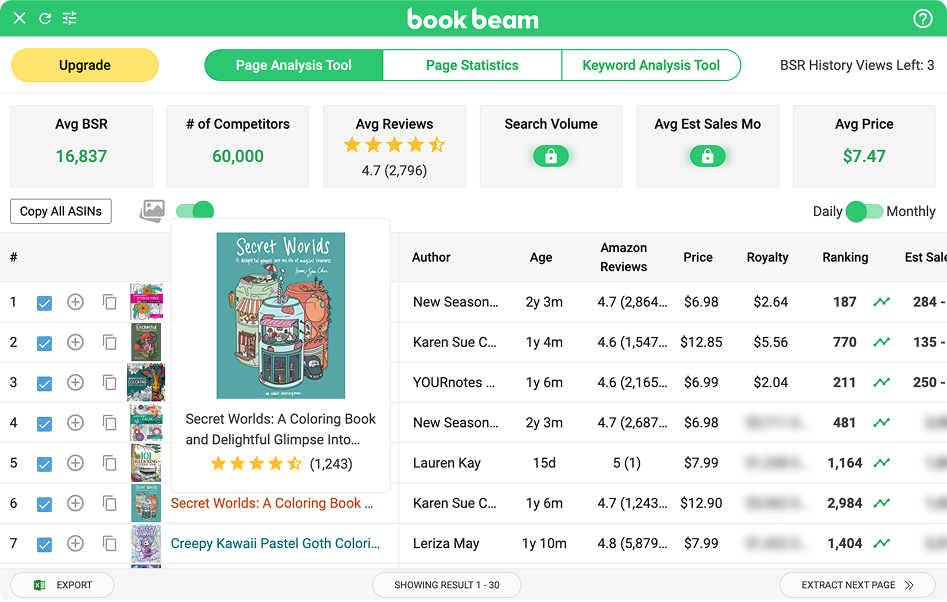
Platforms like Publisher Rocket and BookBeam have revolutionized this process for authors, making it much easier to perform deep keyword research, monitor search volume, analyze the competition, and check what other successful books are using. With these amazon analytics tools, you can gather real data on which books are dominating your genre, and what keywords drive their success. Instead of guessing, you’ll be able to validate keywords and uncover high-value terms quicker than ever. Remember, your keyword choices signal to Amazon’s algorithm what your book is actually about, directly affecting its placement and discoverability in both kindle keyword searches and broader Amazon searches. By taking publishing seriously from the ground up, and investing the time to learn proper keyword research strategies, you set the stage for steady book sales and a sustainable publishing business. If you want to stand out as a self publisher, don’t just publish: publish with purpose, led by data, and let your keywords work for you.
How to Start Keyword Research: Laying the Groundwork for Success
Before you can publish successfully in the amazon marketplace, you’ve got to start with a solid keyword research process. Too many KDP authors dive straight into categories or subcategories without validating if there’s actual search demand behind a keyword phrase, or if they’re just guessing based on popular trends. Smart publishers know that understanding amazon’s search dynamics and competitor landscape is critical. That’s why effective research starts with collecting essential tools and using a strategic approach to validate your keyword ideas. Getting this groundwork right saves you time, money, and wasted publishing effort, directly impacting your book’s visibility and publishing results in a crowded market.
Tools and Strategies for Smart Amazon Keyword Validation
Jumping into amazon keyword research isn’t about throwing spaghetti at the wall, hoping something sticks. It’s about using the right tools and strategies to get real data before you publish. Start with core keyword research platforms like Publisher Rocket, which is known simply as rocket among KDP insiders. Publisher Rocket offers in-depth views on amazon categories, subcategories, competitors, estimated searches, and actual search volume, giving you a huge edge. BookBeam is another essential for amazon publishing, bringing analytics, keyword validation, competitor tracking, and advanced market research into one user-friendly dashboard. Don’t underestimate the importance of pairing these platforms: use publisher rocket to quickly scan categories, then cross-check results and discover hidden phrases through BookBeam to validate demand and competition.
Keep an eye on how your target keywords and kindle keywords actually perform within real amazon searches. Use the “alphabet soup” method, typing your base keyword into the amazon search bar and letting autocomplete suggest further keyword ideas. This tactic reveals the language customers use, uncovering phrases you might overlook. Once you identify potential keywords, plug them back into rocket, BookBeam, or even Amazon itself to analyze book rankings, estimated sales, and listing competition. Dive into competitors’ book listings in your chosen subcategories; check if the same keywords constantly appear in top-ranking titles, and see how those books use keywords throughout their metadata.
Every data point matters in keyword research. Validate your picks with a combination of search data, competition assessment, and honest evaluation of how well a keyword actually fits your book. Resist the urge to pick keywords purely based on high search volume, sometimes a phrase is too broad, or dominated by big-name authors. Instead, capture a blend of amazon keyword targets: some high-traffic searches, some long-tail phrases, and a few niche-specific terms that might only get a handful of searches but land you directly in front of committed readers. This is where truly effective publishing begins: not with guesswork, but with data-backed keyword validation and a relentless commitment to matching your book to what amazon searchers truly want. If you want your next publishing venture to thrive, let your research guide every decision. Start with smart tools, analyze your competitors, and give your book the best launch pad possible by nailing your KDP keywords from day one.
Cast a Wide Net to Uncover Hidden Opportunities
Choosing Amazon KDP keywords isn’t about playing it safe with obvious, high-traffic key phrases. When you cast a wide net, you significantly boost your chances of uncovering hidden opportunities that mainstream publishers and careless competitors overlook. This strategy relies on expanding your keyword list far beyond what’s obvious, delving into long-tail keywords and deep niche searches that match your book’s true value. If you want to stand out and consistently reach new readers, it’s essential to explore Amazon categories, dig through subcategories, and listen to what real searches reveal. True publishing success on Amazon comes from mastering this expansive, data-driven approach.
Expanding Your List with Long-Tail Keywords for Better Reach
Many new and seasoned amazon publishers fall into the trap of targeting only broad keyword phrases, assuming more searches automatically equal more sales. The true power lies in exploring long-tail keywords, those specific, multi-word phrases with clear intent that often face less competition. Let’s say you’re publishing a book in the personal finance genre. Instead of just chasing “finance” or “money books,” you expand your search to long-tail keywords like “budgeting for single moms” or “beginner investing for college students.” These key phrases may have fewer searches individually, but they attract readers who are actively searching for highly relevant solutions with strong buying intent.
The best part about targeting long-tail keywords on Amazon: you open up your book to a series of closely related searches across multiple categories and subcategories. That means more chances for your title to appear when a customer narrows their search, rather than being lost in a tidal wave of generic books. Long-tail keywords also help define your book’s true value to the algorithm, Amazon’s search engine rewards laser-focused matches between searches and book metadata. Every time you expand your keyword research to include longer, niche-specific phrases, you add another layer of discoverability to your publishing game.
To start, brainstorm every term your target reader might search for, then let BookBeam, Publisher Rocket, or even Amazon’s autocomplete tools help you expand those ideas. Use the “alphabet soup” technique: start your searches with a base phrase and let autocomplete suggest new keyword directions. Dive into books currently ranking in your category, note what subcategories they list in, and add those terms to your list. Tracking all these variants gives you a detailed map of what readers are actually looking for, uncovering higher-converting topics you might never have guessed. The result is a comprehensive keyword research process rooted in reality, not assumption. Remember, sustainable publishing growth is about casting your net wide, using data, not guesswork, to match your book to in-demand keywords and maximize your reach on Amazon.
Spotting Profitable KDP Keywords: Criteria That Matter
After expanding your keyword list with long-tail phrases and exploring untapped opportunities, it’s crucial to narrow down which KDP keywords are actually profitable for your Amazon publishing goals. Not all keywords are created equal, some attract plenty of traffic but are too competitive, while others may be easier to rank for yet lack real demand or buyer intent. Identifying the right keywords places your book directly in front of eager readers and gives you a legitimate shot at consistent Kindle sales. Understanding criteria like demand, competition, and buyer intent is the secret to filtering noise and zeroing in on the terms that drive real-world results.
Analyzing Demand, Competition, and Buyer Intent
Spotting profitable KDP keywords starts with a keen analysis of three fundamental criteria: demand, competition, and buyer intent. If you’re serious about navigating the Amazon marketplace for publishing success, you can’t afford to skip this triple-layered assessment.
First, gauge demand by looking at the search volume for your chosen keywords. High demand is essential, after all, publishing a book no one’s searching for means missed opportunities. Use tools like Publisher Rocket and BookBeam to identify not just which keywords exist, but which ones Amazon shoppers frequently use in their searches for books. Pay close attention to both broad kindle keywords and niche phrases, since a mix allows you to balance higher overall search volume with the capacity to reach smaller, passionate audiences.
Next, assess competition. Even a keyword with massive traffic isn’t profitable if the top results are dominated by bestselling authors or traditionally published books with hundreds of reviews. Analyze the top-ranking books for each keyword: Are they self-published, or from big-name publishers? How many reviews and sales do they rack up? Publisher Rocket can quickly reveal how tough it’ll be to break in, while BookBeam helps you uncover hidden keywords where competition is manageable. True keyword research means finding that sweet spot: phrases that have enough demand, but where your book isn’t up against unbeatable giants.
Buyer intent is the final pillar that transforms a good keyword into a truly profitable one. Ask yourself: Does the keyword suggest that a shopper is ready to buy or just browsing? Phrases like “best thriller books” or “kindle books for beginners” show purchase intent, whereas vague queries, despite search volume, may rarely lead to sales. Smart publishers don’t just chase numbers, they pick KDP keywords based on how likely potential buyers are to pull the trigger on a purchase.
Data-driven keyword research is the foundation of successful Amazon publishing. When you consistently validate demand, gauge competition, and confirm buyer intent, you build a shortlist of keywords with genuine profit potential. For every book you publish, these criteria should guide you. Start each book project by revisiting your keyword list, and use the detailed analytics from BookBeam and Publisher Rocket to decide which keywords offer the clearest path to visibility and sales. That’s how authors create sustainable publishing income, by letting smart data and careful market analysis lead the way, not gut feeling or guesswork. Ready to level up your publishing results? Prioritize learning how to master demand, competition, and buyer intent every single time you search for your next winning keyword.
Tracking Competitor Keywords to Strengthen Your Position
If you want your Amazon KDP publishing efforts to outpace the competition, you have to move beyond picking keywords in isolation. Tracking competitor keywords unlocks an entirely new level of strategic insight, letting you see exactly what’s driving visibility and sales for other successful books in your genre. By collecting and analyzing real market data, you not only spot patterns among top-performing authors but also identify unique avenues to differentiate your own books. Learning from competitors’ keyword strategies empowers both aspiring and experienced publishers to refine their keyword research process, choose the right categories, and target searches that lead directly to sales.
Leveraging Market Data for a Strategic Competitive Edge
To truly get ahead in Amazon publishing, you need more than a surface-level approach to keywords. Successful authors look deeply at competitor keywords, digging into market data for actionable insights. This isn’t about copying what others do , it’s about understanding the landscape so you can make smarter keyword research decisions and claim a position in lucrative book categories. The most effective publishers on Amazon rely on robust data to figure out which competitors are dominating searches, what kind of books they’re publishing, and how their keyword strategy brings them to the top of relevant categories.
Start by using tools like BookBeam or Publisher Rocket , affectionately known as “rocket” among data-driven publishers , to scan the keywords and categories other books are ranking for. These platforms offer transparent keyword research results, allowing you to identify which searches consistently surface top books in your genre. By studying competitors’ listings, you uncover the keywords they repeatedly use in their metadata, how they choose book categories, and even how they adapt to changing search trends. BookBeam especially shines at tracking shifts in market data over time, revealing when new keyword opportunities emerge or when established competitors tweak their strategies.
It’s critical to remember that every keyword choice signals to Amazon’s algorithm what your book is about , and competitors are trying to do the same. Analyzing their approach gives you real publishing intelligence. For example, if you see multiple top-ranking books using highly specific kindle keywords, this signals a demand for niche topics that generic searches might miss. Reverse-engineer these strategies: check the overlap of keywords in top sellers, monitor the frequency with which high-performing competitors appear in various searches, and use this knowledge to inform your own keyword research.
Don’t stop at observation. After identifying which competitor keywords consistently drive book discovery, ask yourself where you can differentiate or outperform. Perhaps there’s a keyword with moderate competition that’s under-targeted by rivals, or an entire category that established authors overlook but shows growing search activity in the market data. Use these gaps to carve out your own space on Amazon, focusing your publishing efforts where demand meets opportunity. This kind of targeted research, blending the best of your insights and your competitors’ proven methods, is how lasting KDP publishing success is built. If you’re ready to stop guessing and start seeing real results, let competitor keyword tracking and granular market data become a core part of your book publishing process. Dig deep, analyze often, and use every insight to power your next Amazon bestseller.
How to Pick High-Performing Keywords That Actually Convert
When it comes to thriving as an Amazon KDP self publisher, choosing high-performing keywords isn’t just about generating a long list of search terms, it’s about filtering and prioritizing those keywords until you find the ones that actually convert browsers into buyers. The competition on Amazon is fierce, and simply ranking for a keyword isn’t enough; your selection needs to bring the right readers to your book’s page, increasing both traffic and sales. Learning the best practices for filtering and prioritizing your chosen keywords helps you eliminate guesswork, maximize effective keywords, and make publishing decisions rooted in solid data. This crucial step turns your hard-earned research into a strategic advantage, setting you up for repeatable, real-world results in book publishing.
Best Practices for Filtering and Prioritizing Your Selection
Once you’ve gathered a comprehensive pool of keywords, spanning high-performing phrases, long-tail keywords, and niche-specific terms, the next step is smart filtering and disciplined prioritizing. Remember, not every keyword will work equally well for every book or genre on Amazon. Effective keyword research is more than just collecting a list; it’s about analyzing, testing, and narrowing your choices down to those that consistently convert.
Start by filtering out irrelevant or generic keywords that might bring lots of search volume but little buyer intent. Use reliable tools like Publisher Rocket and BookBeam to cross-examine demand and competition. Look for keywords where the search volume is robust, but your book actually stands a chance to rank, often these are specific terms that signal strong purchase intent, such as “best budgeting book for beginners” or “science fiction books for teens.” Avoid broad, high-competition terms that are dominated by traditional publishers or books with thousands of reviews.
Prioritizing is all about ranking your keywords based on data-driven potential. Give more weight to keywords with high buyer intent, moderate competition, and clear relevance to your book, these are the terms most likely to convert curious browsers into readers. Use BookBeam’s analytics to see how your chosen keywords influence ranking and track which categories see the best results for books similar to yours. Publisher Rocket is especially helpful for identifying which keywords have a high-performing track record in your book’s genre and specific amazon categories.
Don’t forget to continually test your selections. Refine your list over time by tracking real-world results: if certain keywords stop driving traffic, swap them out for fresh ideas sourced from your ongoing keyword research or newly uncovered long-tail searches. By maintaining a living keyword list and leveraging data insights, you’ll stay ahead of changes in Amazon search behavior and keep your books visible to buyers ready to convert.
Aspiring and active publishers, here’s your action step: set aside time each month to review your keyword performance, using BookBeam or Publisher Rocket to track conversions, search ranking, and category movement. This ongoing commitment to best practices, filtering, and prioritizing isn’t just a one-time process, it’s the backbone of effective, profitable publishing on Amazon. Take control of your keyword destiny, and let smart research fuel your next breakout book launch.
Avoiding Amazon Keyword Pitfalls and Policy Violations
Ensuring your book thrives on Amazon starts not just with strong keyword research, but with a precise focus on avoiding keyword pitfalls and policy violations. Even the most data-driven KDP authors can stumble if they’re not attentive to Amazon’s publishing guidelines and keyword policies. Missteps, like using misleading keywords, stuffing irrelevant search terms, or targeting prohibited categories, don’t just hurt your book’s visibility, they put your entire KDP account at risk of penalties or removal.
When you’re building your keyword list, resist the temptation to use keywords that exaggerate your book’s content or try to “game” Amazon’s algorithms. Irrelevant, misleading, or trademarked terms can trigger policy violations. For example, don’t include another author’s name, celebrity, or a trademarked book title in your keywords, Amazon’s policy is clear, and these tactics are more likely to get your book suppressed than surfaced in search. Instead, focus your keyword research on authentic phrases shoppers actually use when genuinely searching for your type of book in relevant categories and subcategories. This practice not only aligns with Amazon’s publishing rules but ensures your book is discovered by the right audience.
Equally important is avoiding keyword stuffing, the outdated tactic of cramming as many keywords into your metadata fields as possible. Amazon’s search algorithm favors relevance over raw keyword quantity. Stuffed listings appear spammy, lowering search ranking and frustrating both Amazon and your potential readers. Used strategically, platforms like BookBeam can help you track exactly how competitors in your publishing categories are using keywords effectively, letting you model what works without crossing policy lines.
Finally, always double-check the latest KDP policy updates before publishing or updating your listings. Policies evolve, and what worked for books or authors last year can easily fall into the pitfall zone now. Quality beats quantity, each keyword should be truly relevant to your book, your target readers, and your chosen subcategories. If your goal is sustainable Amazon publishing income, put ethics and best practices front-and-center. Use diligent keyword research, stay updated on policy, and leverage tools like BookBeam to keep your book compliant, visible, and thriving. Ready to level up? Make every keyword count; your Amazon success depends on it.
Optimizing Your Book Listings with Chosen Keywords
Once you’ve curated a powerful set of keywords through rigorous research and validation, your next big move is optimizing your book listings to make those keywords work for you. Strategic placement of your chosen keywords in key areas, titles, subtitles, and metadata, can seriously enhance your book’s discoverability on Amazon and in Kindle searches. This step isn’t just about fitting keywords in for the sake of it; it’s about integrating them naturally and intentionally to boost search ranking, connect with real readers, and ensure your book appears in the most relevant categories. Mastering keyword placement transforms your research into real traction and sales, helping your books outshine the competition and find their target audience fast.
Tips for Placement in Titles, Subtitles, and Metadata
Crafting an effective Amazon KDP listing means making every word count, especially when it comes to optimizing with your chosen keywords. Begin by thinking about the natural flow between what your ideal reader is searching and the language you use in your titles, subtitles, and metadata. Embedding primary keywords in your book’s main title is the gold standard for optimization: if a top search phrase fits naturally and authentically in your title, you instantly boost your book’s chances of appearing at the top of relevant Kindle searches. For example, a nonfiction book on self-discipline should, if possible, feature a targeted keyword like “habits” or “productivity” right in the title, reflecting what buyers are actually typing into Amazon. However, don’t force it, clarity and reader appeal must always outweigh awkward keyword stuffing.
The subtitle is prime real estate for secondary keywords that expand your discoverability across related searches and categories. Use your subtitle to pack in additional terms from your research list, ideally phrases uncovered through tools like Publisher Rocket, BookBeam, or by observing competitor books. Subtitles can double your keyword coverage without making the listing look spammy; a subtitle like “Daily Routines for Busy Professionals” naturally incorporates keywords while genuinely describing your book’s benefits.
Next comes metadata, the set of backend keywords and categories you fill out during the KDP setup process. Here, you’re allowed up to seven slots to input keywords that don’t have to be displayed on your sales page but are still indexed by Amazon’s algorithm. Carefully select terms that didn’t make it into your title or subtitle: think long-tail keywords, common misspellings, category-relevant phrases, or niche searches that might have lower competition. Remember, Amazon aggregates data from all areas of your listing during every search, so a well-optimized metadata field is essential for hitting those hard-to-reach search results.
Maximizing the impact of your listing’s keyword placement is about balance, prioritize the reader experience while leveraging every opportunity for Amazon search exposure. Continually refine your approach: after launch, track which keywords are driving the most searches and tweak your metadata over time using BookBeam or by analyzing top-performing books in your genre. Experiment, monitor, and don’t shy away from updates that sharpen your listing’s competitive edge.
Ready to elevate your listings? Optimize titles, subtitles, and metadata with well-chosen KDP keywords so your book rises to the top of the right Amazon searches and categories. Don’t let hours of research go to waste, let smart placement turn keyword insights into real sales. Try optimizing your next book listing using these principles and put your publishing data to work!
Take Action: Download Your Step-by-Step Keyword Checklist
Now that you understand the essentials of keyword research, competitor tracking, and data-driven publishing from earlier content, it’s time to put this knowledge into practical use. The real key to Amazon KDP success isn’t just knowing the strategies, but acting on them consistently. That’s why we’ve developed a comprehensive checklist designed to walk you through every phase of keyword selection for your next book. This actionable, step-by-step resource removes all the guesswork and empowers both new and experienced authors to research, validate, and apply winning keywords in their publishing journey.
The download includes prompts for your initial keyword search, guidance on how to use publisher rocket and BookBeam efficiently, and reminders for critical tasks like cross-referencing search results with trending Amazon categories or filtering out high-competition phrases. Our checklist helps you expand your keyword list, drill down into long-tail terms, and ensure you’re targeting keywords that match both high buyer intent and sustainable demand. This isn’t about a generic approach, each item is informed by real-world results drawn from top-performing books and proven KDP publishing workflows.
If you’ve ever felt lost in the maze of keyword options, or struggled to prioritize your picks, this tool will transform your process. Instead of hunting for profitable niches blindly, you’ll use a systemized approach to find, track, and validate every keyword before publishing. Active KDP self publishers can leverage the checklist to maintain monthly keyword audits, adapt quickly to Amazon search trends, and outmaneuver competitors. Ready to make data-driven decisions for your next book? Don’t wait, download the checklist now and take control of your publishing success one search at a time. Your next bestselling book starts with smarter keyword research, let this step-by-step checklist be your guide to higher rankings and real, lasting results.
Effective Amazon KDP keyword research can make all the difference in your book’s discoverability and sales. By following this structured approach and leveraging tools like BookBeam, you’ll move beyond guesswork, transforming data into strategic action. Remember, profitable publishing is not just about writing a great book, but also about ensuring the right readers can easily find it. Ready to take your keyword strategy further? Try BookBeam’s free trial and download our exclusive keyword checklist to put these steps into practice confidently today.