Navigating the publishing world as an author means making critical decisions that impact your book’s future, and choosing the right publishing imprint is one of the most important. Imprints shape how your book is marketed, distributed, and perceived in the marketplace. Understanding the role of imprints in publishing contracts helps you unlock their strategic value, ensuring your work aligns with the right audience and brand identity. In this guide, we break down why imprint selection matters, what authors need to know, and how to leverage imprints for greater publishing success.
Key Highlights
- Imprints act as specialized brands within publishing houses, shaping how books are marketed, presented, and perceived.
- Parent companies use imprints strategically to target diverse audiences and tailor business approaches for different genres.
- Choosing the right imprint affects contract terms, editorial support, and long-term book success for authors and self-publishers.
- Key contract clauses about imprint assignment, reassignment, marketing allocation, and royalties are critical to publishing outcomes.
- BookBeam enables data-driven analysis of imprint performance, helping authors validate niches and maximize publishing success.
Understanding Imprints: What They Mean in the Publishing World
Imprints hold significant weight in the publishing industry. As an author or aspiring publisher, understanding the distinction between publishing imprints and publishing houses can dramatically influence the trajectory of your book. Imprints function as vital brand names used by publishing companies to segment genres, audiences, and market strategies. While publishing houses serve as the overarching business entity, their various imprints allow them to target different niches, appeal to specific readers, and maintain multiple reputations under one company umbrella. Knowing how imprints work not only clarifies the publishing process but also helps writers make smarter choices when negotiating contracts and building their author brand.
Key Differences Between a Publishing Imprint and Publishing Houses
The landscape of the publishing world is layered, complex, and deeply strategic. One of the most fundamental distinctions an author must grasp is the difference between a publishing imprint and a publishing house. Let’s break this down so you can leverage the knowledge for the success of your book and career.
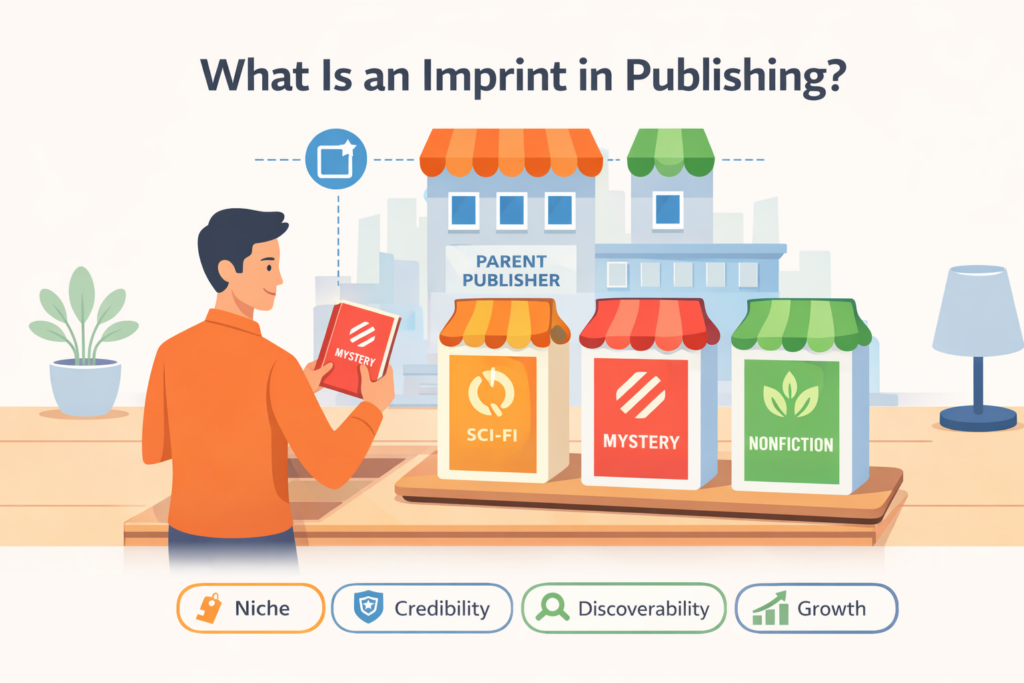
A publishing house operates as the parent company. It’s the engine behind the entire operation, an overarching entity responsible for the business of acquiring manuscripts, shepherding them through the editorial process, and bringing books to market. The publishing house may own several divisions or “presses,” each with its unique goals but unified under one corporate structure. Within this company structure, you’ll encounter the concept of an imprint.
Imprints are essentially specialized brands within the parent company, a division, if you will, created to publish books under a distinct brand name used to signal quality, style, or genre to readers. Each imprint brand carves out its identity by focusing on a particular genre, say, commercial fiction, literary fiction, business books, or even highly niche writing. This division isn’t just cosmetic; the reputation an imprint builds over years sends a loud signal to both authors and readers about what’s inside their books. For example, a literary imprint might have a longstanding reputation for publishing manuscripts that win major awards, while a commercial imprint could be renowned for titles that sprint up bestseller lists and sell by the millions.
Why do publishing houses use imprints? It’s all about strategy and segmentation. Consider that one publishing company wants to be a loud presence in both literary and commercial spaces without confusing its audience. By creating separate imprints for literary fiction, commercial suspense, and business how-to guides, it speaks directly to very specific readers and authors. The brand name used on the book’s spine, its imprint, tells bookstores, critics, and readers exactly what kind of book they’re getting. This approach allows for flexibility and lets the business enter many different markets without diluting the core brand’s reputation.
Authors benefit enormously from this system. Choosing the right literary imprint or commercial imprint aligns your book with a certain standard, tradition, or innovative streak, giving your writing an automatic context in the minds of buyers and reviewers. The right imprint can open doors to wider distribution, better press coverage, and critical readership. It also impacts contract negotiations. Imprints often have dedicated editorial, marketing, and design teams whose expertise is tailored to that specific division’s focus, so your manuscript isn’t just another title lost in a vast sea of books; it becomes part of a curated list, benefiting from the resources and reputations that imprint has built.
For publishers and writers navigating the business, the difference between an imprint and a publishing house comes down to scope and specialization. The parent company calls the business shots, manages legal and financial processes, and sets high-level strategy. The division imprint, on the other hand, hones in on the day-to-day work of curating, publishing, and branding specific lines of books. Each imprint’s reputation is a valuable business asset, cultivated to attract certain authors and readers, and leveraged for maximum sales and critical impact.
Savvy authors and KDP self-publishers need to understand these differences if they want to make informed choices for their writing careers. Signing with the right imprint, not just any division of a publishing house, offers strategic advantages, from niche market access to specialized marketing and even contractual perks. It’s about more than just the name on your book’s title page; it’s about finding the right business partner for your creative vision and connecting it to the right audience. Think of your book as more than just a manuscript; it’s also a product, and aligning that product with the right imprint brand can position it for real-world publishing results.
Reach out to experienced mentors, study the reputations behind each division, and leverage tools like BookBeam to analyze which imprints align with your genre and publishing aspirations. This foundational knowledge empowers you to confidently negotiate contracts, select the strategic fit for your writing, and maximize your chances of publishing success in today’s competitive marketplace.
The Structure Behind Imprints: Decoding the Imprint System
Look beneath the surface of any major publishing company and you’ll discover a sophisticated system built around imprints, distinct entities designed to serve specialized markets within the broader business. This layering isn’t accidental; publishers use imprints to manage complexity, reach diverse readers, and keep their brand portfolios nimble as market needs evolve. The parent company stands at the top, orchestrating multiple divisions and making high-level business decisions that filter down through each imprint. Understanding how these pieces work together is the key to grasping where your book, your writing, and your publishing contract fit within the bigger company story. Let’s explore how the parent company plays a decisive role in shaping imprints, and, by extension, your entire publishing journey.
How the Parent Company Influences Imprints and Publishing Contracts
The imprint system within publishing isn’t just about names on book spines, it’s a carefully engineered structure, driven by the strategy and vision of the parent company that owns all the imprints under one unified business. When you hear about iconic names like Penguin or Simon & Schuster, you’re usually seeing just one facet of a much larger division, each imprint carefully curated and backed by the broader resources of its parent publisher. A single company might house dozens of imprints, each tasked with targeting specific genres, audiences, and even marketing styles. The parent company’s business goals directly shape how each imprint operates, how manuscripts get selected, and, crucially, how publishing contracts are customized for different market opportunities.
In this framework, think of the parent company as the captain of a publishing fleet. Their job is to guide the overall business forward, identifying profitable markets, managing risk, and ensuring each division or press contributes to the company’s long-term health. Decisions about launching, shuttering, or repositioning imprints happen at this level. For instance, a parent company may notice emerging trends, say, a surge in business books or an appetite for a new niche in writing. Rather than stretching an existing imprint too thin, the company could create a fresh imprint tailored to that niche. This move allows the publisher to speak directly to a new readership without diluting the main brand. Each imprint then acts as a division, with its own editorial strategy but always aligning with the larger business vision.
Here’s where it matters most for authors and self-publishers: the imprint system dictated by the parent company shapes every major aspect of the publishing process, especially contracts. Because the business objectives differ from imprint to imprint, your publishing contract, rights, royalties, advances, marketing commitments, could vary even within the same company. For example, Penguin may offer one royalty structure through its literary fiction imprint and a different one through its commercial division. When negotiating, knowing which imprint’s resources, traditions, and markets you’re plugging into is vital. The parent company’s authority ensures contracts are consistent with broader company policies, but imprint-level negotiators can often tailor terms to fit the division’s reputation, typical advances, and marketing reach.
There’s another layer at play, the division between creative and business priorities. While each imprint acts as a creative hub, building its own author relationships, acquiring manuscripts, and cultivating its image, the parent company sits above these daily decisions ensuring that everything is anchored to solid business fundamentals. For example, a company like Simon & Schuster oversees dozens of imprints, from blockbuster commercial brands to boutique literary presses, each with its personalized approach but under one contract framework. This setup allows them to adjust quickly to market shifts, launch experimental presses, or rebrand an imprint as the industry evolves.
For authors, it’s crucial to recognize that the imprint on your publishing contract isn’t just a name, it signals which team will guide your book through manuscript selection, editing, production, and press strategies. When you’re evaluating contract offers, look beyond the reputation of the parent publisher. Ask questions: What’s this division’s track record with debut authors? How much marketing muscle is behind the imprint for books like yours? Is the imprint growing, shrinking, or pivoting genres under the parent company’s recent strategy shifts?
You’ll find that the parent company’s influence permeates every level, even as imprints retain autonomy over their lists. When a business merges with or acquires another publisher, you’ll see imprints repositioned, folded, or expanded to capitalize on the company’s new strengths. Contracts get renegotiated, resources shift, and entire writing careers can be impacted. Savvy self-publishers and authors need to track these company changes using industry tools, and platforms like BookBeam, to align their manuscripts with the right imprint and maximize contract value.
Ultimately, understanding the interplay between the parent company and its imprints empowers authors and aspiring publishers to make sharper, data-driven decisions. Every contract you sign is a business partnership, shaped by the strategic goals of both the imprint and the people at the helm of the company. Get to know how the division of power and priorities affects not just the publishing process, but also your long-term success and brand as a writer within the ever-evolving imprint system.
The Strategic Role of Publishing Imprints in Book Contracts
The imprint listed in your book contract isn’t just a technicality, it’s a core element that shapes your publishing experience, marketing trajectory, and connection with readers. Understanding the function of publishing imprints gives authors and writers a significant edge by clarifying which division within a company will handle their book, how marketing efforts are allocated, and the precise ways imprints position titles for maximum audience impact. The imprint system is designed not merely for company organization but as a strategic tool to match books with their ideal target readers, boost business profitability, and refine marketing decisions. Recognizing and leveraging this role can transform how both new and established authors negotiate, publish, and grow their writing careers within today’s ever-evolving publishing business.
Leveraging Imprints to Position Your Book for Target Readers
If you’re aiming to maximize your book’s visibility and commercial viability in the fiercely competitive publishing ecosystem, understanding how to leverage publishing imprints becomes essential. Imprints are more than just names; they are deliberate brand signals curated by the company to attract specific groups of readers. Each imprint develops its own reputation, aligning certain kinds of books, be it fiction, business, or specialized writing genres, with precise marketing strategies and audience expectations. When you sign a book contract that specifies a particular imprint, you’re plugging your writing into a finely tuned business pipeline built to position your work exactly where it has the best chance to succeed.
Here’s the crucial difference between just publishing a book and publishing with intention: when imprints allow publishers to divide their business into targeted divisions, each press can fine-tune marketing efforts around particular niches and reader types. For writers and authors, this means your manuscript won’t be lost in a generic collection; it becomes a curated offering under a brand name used to instantly communicate value, credibility, and a specific editorial vision to readers and the market. The imprint itself often dictates the style of cover art, the tone of promotional campaigns, and how books are presented in catalogs and to booksellers, a testament to the real power behind the imprint’s name.
The strategic use of imprints by publishers fundamentally improves how books reach their intended audiences. Most major companies house a variety of imprints, each with its business objectives and genres, literary fiction, commercial fiction, business writing, nonfiction, or even highly specialized topics. Imprints allow a publisher to build trust with regular readers, who come to associate the brand with certain themes or quality. If a reader loves literary fiction and repeatedly finds satisfying novels released by the same imprint, they’ll gravitate towards new titles under that brand name, regardless of the specific author.
For authors, especially those weighing contract options or self-publishing routes, knowing the strategic fit of a particular imprint can be game changing. Ask yourself: What kind of readers does this imprint serve? What marketing support does the division typically offer for debut manuscripts? What is the press’s track record in my genre? Use data-driven platforms like BookBeam to analyze the sales, audience profiles, and competitor landscapes per imprint. This takes the guesswork out of validating whether an imprint is the right company partner to position your book before readers who are already primed to buy.
A practical advantage of this system is the clarity it brings to contract negotiations. Your contract with an imprint is not just about royalties or advance payments, it’s about which editorial team, marketing arm, and reputation your book will be associated with. Each division prioritizes differently: a business imprint may invest heavily in author branding and industry events, whereas a fiction imprint might excel at leveraging book clubs or securing media coverage. When an imprint brands your book, it’s their guarantee to writers and readers that the title fits their house style, a commitment that extends far beyond simple publication.
Writers seeking sustainable business results should approach imprints as strategic marketing partners, not just as bureaucratic layers in publishing. The imprint’s label on your book is a highly visible stamp of curation and a shortcut for readers, booksellers, and reviewers to instantly place your writing within a reliable context. This translates directly to real-world sales, critical acclaim, and even long-term career opportunities if you continually publish with a respected imprint.
In summary, imprints empower publishers to segment their business, reach diverse reading audiences efficiently, and optimize marketing resources per genre or author type. Authors and writers who engage contract discussions with a clear understanding of how imprints function, and how each press targets its ideal readers, can more confidently choose partners who will elevate their manuscript into a genuine, market-worthy product. Don’t settle for a contract with just any division; aim for the imprint whose marketing vision, audience, and press reputation align perfectly with your creative goals. Your book’s future, and the business behind your writing, depend on this informed, strategic choice.
Navigating Publishing Contracts: Why Imprints Matter to Self Publishers
For self publishers stepping into the world of publishing contracts, imprints are far more than a name printed on a book’s spine. They’re strategic assets that determine the direction, marketing, and future of your publishing business. The division an imprint represents inside a publishing company, even in self publishing through platforms like KDP, influences how your manuscript is handled, right from acquisition to bookstore shelves. Grasping imprint dynamics empowers you to negotiate contract clauses that safeguard your writing, maximize business results, and ensure your book stands out amid a crowded field. Let’s explore the contractual fundamentals and imprint considerations that every KDP author should master.
Essential Contract Clauses Related to Imprints for KDP Authors
It’s easy to focus on advances or royalties when reviewing publishing contracts, but overlooking the imprint specified within those legal documents is a costly mistake, especially for KDP authors and self publishers. An imprint, as a unique brand name used by a publishing company or press, signals more than just aesthetic preferences, it directly impacts every facet of your author journey, from editorial attention to marketing muscle. Whether you’re negotiating with a publisher or making data-driven decisions as an Amazon KDP author, understanding how contract clauses about imprints shape your book’s trajectory is a strategic necessity for real-world publishing success.
Let’s break down the pivotal contract clauses that reference imprints and why every self publisher must scrutinize them. The first is the imprint assignment clause. This isn’t just a technicality; it determines the division or press responsible for publishing your book. Different imprints often follow different editorial standards, timelines, and marketing approaches. For example, business or commercial imprints may offer bigger marketing budgets and broader retail distribution. Literary-focused divisions might promise more critical attention and award submissions. As a KDP author, your choice about which imprint your book is assigned to can position your title within the optimal audience, for fiction, business, writing guides, or niche genres.
One of the most underestimated clauses is the right of the publisher or company to reassign your manuscript to a different imprint or division after acquisition. Some contracts include language granting the publishing company broad authority to shift your book to another division grounded in strategic realignment or business priorities. This matters because not all imprints have equal standing or resources within a publishing house. You need to understand exactly which imprint the publisher is contractually committing to, and what happens if they wish to move your book. A company that suddenly pivots its priorities, consolidates imprints, or shutters a press could radically change your marketing support, genre placement, or long-term sales outlook. Seasoned KDP authors often negotiate for contract clauses that limit the publisher’s right to transfer imprints without author consent or require that any substitute division matches the marketing commitment and reputation of the original imprint.
Royalties and advance payments tied to the imprint are another essential contract element. Since each division may have its own royalty structure and typical advance, being clear on which imprint’s terms you’re offered can mean the difference between robust income and disappointing results. For instance, imprints under powerhouses like Penguin or Simon & Schuster set different royalty standards based on genre, expected print runs, and perceived sales potential. Some business-focused imprints might offer better rates for printable or digital-only books versus traditional presses geared to mass market releases. Always ensure your contract references the correct imprint and double-check attached royalty tables.
Branding and marketing allocation is a fourth contractual zone tightly bound to imprint dynamics. Savvy publishers formally specify in your contract how your book will be marketed as a title of that discrete imprint, not just under the general umbrella of the parent company. Will your book benefit from specific campaigns that have propelled past titles from this imprint to bestseller status? Is the editorial staff known for supporting new authors, or does the division prioritize established authors and backlist titles? Investigate whether there’s any reference to imprint-led book launches, press inclusion, or catalog placement, these make a tangible difference for your long-term author brand.
The contract should also address rights reversion and out-of-print status, both of which can be influenced by the performance standards of your assigned imprint or division. If your book doesn’t meet certain sales thresholds specific to that imprint (rather than the whole company), what triggers a rights reversion? Since imprints regularly refresh their lists and may streamline their backlist, setting clear, measurable standards in your contract for what constitutes “out of print” with respect to that imprint is vital for future publishing plans.
For KDP authors leveraging Amazon’s imprint-like platforms, clarity over branding, metadata controls, and categorization affects discoverability. While you may have more direct control than with a traditional publisher, ensuring you’re creating your own “imprint” consistently as a brand, and reflecting that in your contract with collaborators like designers or marketers, helps reinforce your book’s professional image and impacts how readers, reviewers, and Amazon’s own algorithms treat your titles.
The cornerstone of smart publishing is to treat every imprint named in your contract as a real business ally. Before you sign, research the reputation and real-world results that the imprint has achieved for similar books. Examine catalogues, aggregate author testimony, and track comparative sales data using platforms like BookBeam for an honest assessment. Don’t shy away from negotiating for more specificity, stronger guarantees, or shifting to another division if the contract doesn’t serve your goals. Remember, your book’s future depends on aligning each contract clause with the business realities and marketing prowess that a proven imprint or press provides. By mastering these fundamentals, you won’t just publish, you’ll publish with clarity, strategy, and lasting career impact.
Data-Driven Decisions: Using BookBeam to Analyze Publishing Imprints and Niche Potential
The most successful authors and publishers chase results, not hunches. That’s why, when it comes to navigating the multifaceted world of publishing imprints, data-driven decision-making is a game-changer. Gone are the days of guessing which company division or press will best serve your manuscript or relying solely on publishing lore to find your book’s ideal home. With tools like BookBeam, you can analyze not only which imprints are performing but also uncover real niche potential long before pen touches paper or contracts are signed.
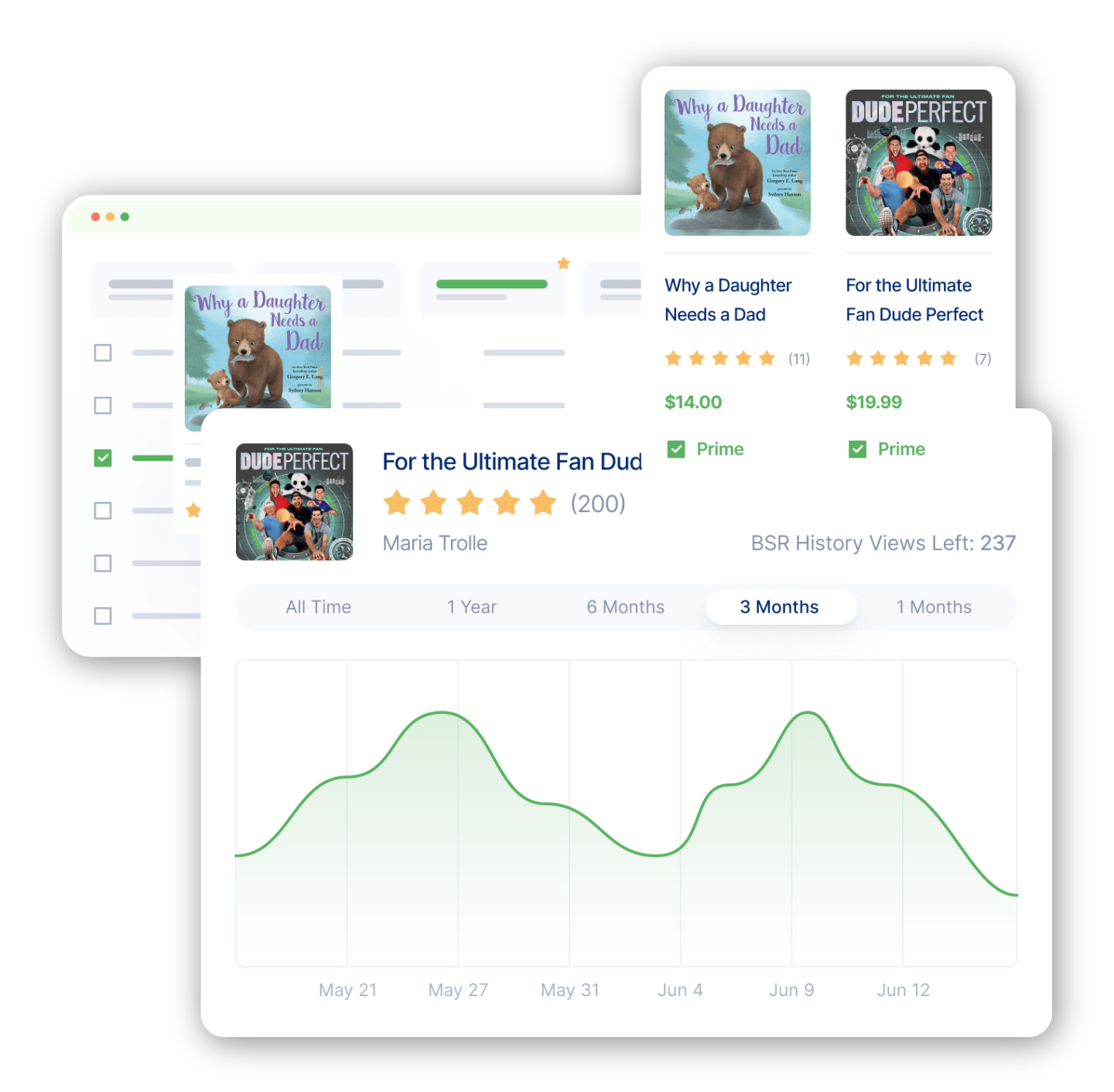
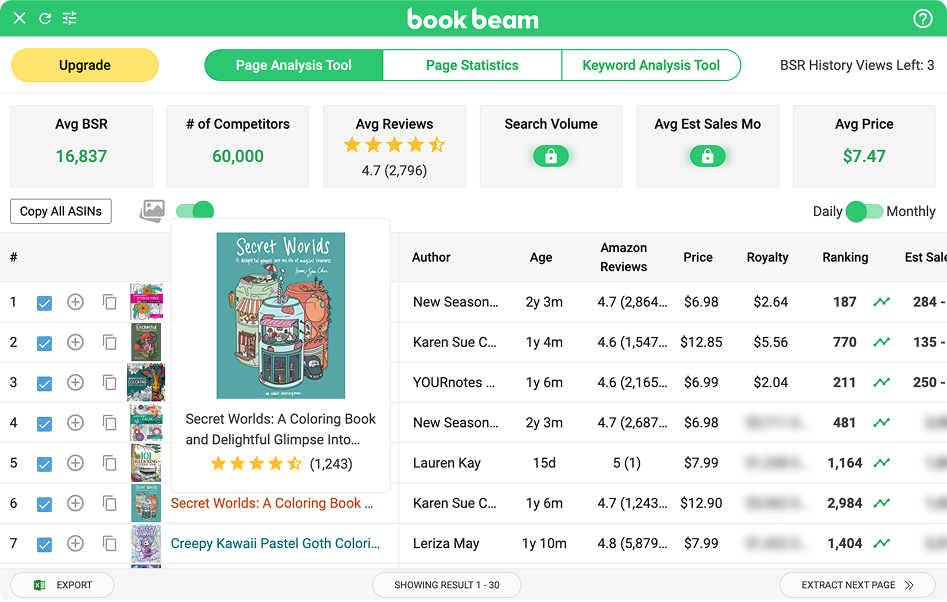
BookBeam provides an all-in-one market research and analytics platform expressly designed for today’s authors and small publishers. Its core strength? Delivering actionable, data-driven insights you simply can’t get by scanning bestseller lists or publisher websites. Imagine being able to rapidly analyze which imprints in your genre are actually putting books on Amazon KDP’s front pages, launching new authors to market, or dominating keyword rankings. BookBeam uses real-time sales analytics, competitive benchmarking, and deep-dive niche research to help you validate your publishing strategy, so you can make smarter moves and minimize costly missteps.
For authors evaluating contracts or choosing where to pitch their manuscript, BookBeam’s ability to analyze publishing imprints at both the company and division level is invaluable. Start by filtering top-performing imprints by genre, format, and audience size. Need to know which business or writing imprints are gaining ground? Or perhaps which press stands out for debut fiction or highly specialized non-fiction niches? BookBeam’s dashboard breaks down imprint market share, trend trajectories, and past performance, empowering you to see which brand identity truly resonates with readers. That means you can target not just any imprint, but the one most likely to propel your book and author brand to real-world success.
This data-driven approach is even more powerful when you’re considering how publishers use imprints to diversify their offerings. Each company leverages its divisions, be they longstanding literary imprints or fast-moving digital presses, to corner new markets and reach emerging reader groups. BookBeam’s imprint tracking doesn’t just help you spot winner imprints; it lets you observe how companies strategically launch new imprints, sunset underperforming divisions, or reposition brand identities based on market shifts. For writers, this means you’re never pitching blind. You can align your manuscript and marketing strategy with publishers and imprints whose current trajectory and editorial vision match your writing and business ambitions.
Manuscript validation becomes dramatically more precise when you study imprint-level data. Whether you’re drafting business books or genre fiction, BookBeam allows you to analyze how similar titles have performed, marketing tactics successful imprints deploy, and the optimal timing for launch. Instead of worrying if a publishing company will prioritize your book, you’ll already know which press excels at nurturing new authors, which imprint offers aggressive marketing campaigns, or where your niche audience is growing the fastest. This kind of market intelligence empowers you to negotiate contract terms more confidently or double down on your self-publishing imprint, knowing the real-world data backs your choices.
Niche potential is more than a buzzword; it’s the lifeblood of sustainable publishing income. Savvy authors use BookBeam to explore micro-categories within imprint family trees, finding underserved reader pockets or unexplored genre crossovers. Want to see if there’s genuine demand for your next book idea or if a specific imprint dominates a rising trend? Let BookBeam’s data reveal patterns in sales, keywords, and competitor moves. Whether you want to pitch your manuscript to a major company or craft an indie imprint of your own, BookBeam gives you the confidence that your writing, branding, and marketing efforts are grounded in proven demand. That’s how you stop guessing and start building your publishing business on solid, data-driven fundamentals.
If you’re ready to take the guesswork out of the imprint equation, it’s time to let BookBeam power your research. Dive into imprint analytics, validate your niche, and watch as data-driven publishing decisions turn your manuscript into a book with true market impact. Don’t just publish, publish with precision, powered by BookBeam’s market mastery. Try BookBeam today and transform the way you approach writing, publishing, and business growth.
In summary, understanding the role of imprints in your publishing contract equips you to make informed decisions that directly impact your book’s brand and reach. Choosing the right imprint can elevate your work in a crowded marketplace and help you connect with your ideal readers. As you navigate publishing deals, keep imprint considerations at the forefront, it’s a strategic step toward lasting success. Ready to make data-driven publishing choices? Explore how BookBeam can guide your journey from idea to successful book launch with confidence and clarity.