If you’re navigating the world of book publishing, you’ve likely encountered the term “imprint”. But what exactly does it mean, and why should authors care? Understanding imprints is essential for authors aiming to build credibility, reach the right audiences, and make strategic publishing decisions. An imprint is more than just a logo on your book’s spine, it reflects a publisher’s brand, niche, and promise to readers. In this guide, we’ll demystify publishing imprints, reveal how they impact your author journey, and help you make informed choices for your writing career.
Key Highlights
- Imprints serve as distinct publishing brands, shaping a book’s identity and enhancing its market positioning.
- Authors can use imprints to target specific genres and build audience trust and credibility.
- Establishing your own imprint on Amazon KDP boosts professionalism and enables flexible business growth.
- BookBeam provides crucial analytics to research successful imprints and guide smart publishing strategies.
- Informed imprint choices directly impact discoverability, sales, and long-term publishing success for authors.
Understanding Imprint Definitions in the Context of Publishing
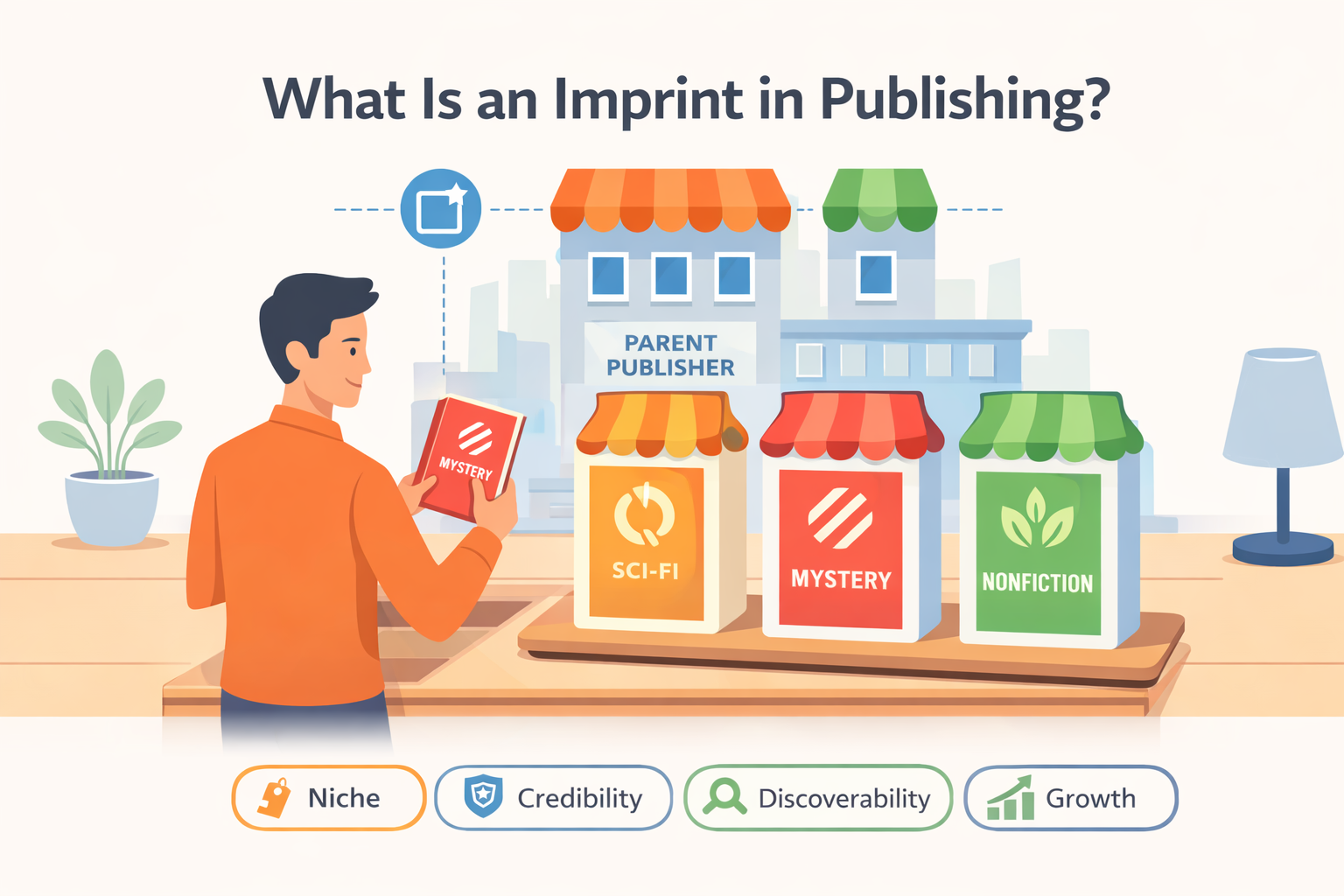
Imprints are a cornerstone of modern publishing, shaping both a book’s identity and how it is perceived in the marketplace. While you may often see a brand name used on the spine or title page of a book, that name carries deeper meaning, as it represents the imprint assigned by the publishing house or press. Imprint definitions go beyond a simple label, they’re an integral aspect of how publishers, whether a major publishing company or a small independent press, organize and brand their works. Each publishing imprint operates like a distinct division imprint or trade name under the larger umbrella of a publisher’s business, enabling targeted publishing strategies for diverse genres or audiences. Understanding imprint publishing is essential for authors who want to navigate the nuances of book branding, market placement, and professional credibility in the competitive world of publishing.
How Imprint Publishing Shapes a Book’s Identity and Market Position
Grasping the true power behind an imprint starts with realizing just how much sway that brand name used on the back of your book wields. Each book imprint is far more than a decorative phrase, it’s a deliberate business tool crafted by a publishing house to steer a book’s path from obscurity to the shelves of devoted readers. In publishing, an imprint functions as both a trade name and an identity: it signals to distributors, retailers, and readers exactly what kind of work and audience that book belongs to. This branding can be as influential as the content inside, directly affecting how your book is perceived and how successfully it stands out in a crowded market.
When you sign with a major publisher, you’ll often find your release associated with a specific imprint or division imprint. These imprints exist within larger publishing companies, functioning almost like specialized teams that focus on particular genres, styles, or demographic groups. A single publishing company, think Penguin Random House, HarperCollins, or any major house, may have dozens of unique imprints, each with its own brand promise and reputation. That’s what allows a publisher to release books spanning thrillers, business, romance, and poetry, all without confusing the marketplace. Readers looking for a certain type of book quickly learn which publishing imprint aligns with their tastes, and that recognition builds both loyalty and trust.
On a practical level, the imprint becomes a shorthand for quality, voice, and relevance to a specific group of readers. That’s not just marketing fluff: bookstores and libraries use imprints when deciding where to shelve new works, and reviewers pay close attention to which press, house, or publishing brand is behind each release. Even retailers like Amazon employ imprint metadata in categorizing and recommending books to shoppers. For Amazon KDP self publishers, understanding publishing imprint strategy means you’re better positioned not only to build a recognizable brand but also to target your books to the right market and reader base effectively, no guesswork, just clear business fundamentals.
Authors who grasp imprint publishing fundamentals are equipped to make smarter publishing decisions: should you align your work with an established publisher’s imprint for instant credibility, or launch your own? The trade name you select will define your professional perception and future opportunities, so it’s more than a formality. For indie authors especially, leveraging the power of a well-chosen imprint isn’t just about branding, it’s a decisive move in establishing long-term publishing success. Use market research tools to analyze which publishing imprints are thriving in your chosen genre and understand the competitive landscape. By treating your imprint like a genuine brand with a purpose, you unlock new ways to connect with your audience and carve out a sustainable niche in publishing. Ready to level up? Start making data-driven imprint decisions for your next book release today.
The Distinction Between Publisher and Imprint: What Authors Should Know
Understanding the difference between a publisher and an imprint is critical for authors who want to thrive in the fast-paced publishing landscape, especially within Amazon KDP. Many newcomers see a publishing house’s name and an unfamiliar brand on a book’s title page, not realizing they’re looking at two levels of identity with unique roles in the business of books. This distinction isn’t just semantics; it shapes everything from book branding and marketing to sales opportunities and long-term author strategy. Let’s unpack what separates a publisher from an imprint and why this clarity is essential for anyone planning their next publishing move.
Why Imprints Matter in Today’s Amazon KDP Landscape
If you’ve ever wondered why two books from the same publishing house carry completely different brand names, the answer lies in the strategic use of imprints. In today’s Amazon KDP-driven world, the relationship between a publisher and its imprints drives sales, credibility, and discoverability for both new and experienced authors. A publisher isn’t just a business that prints and distributes your work, it’s a parent entity managing multiple imprints, each functioning as a tailored brand under the overarching publishing umbrella. Every imprint, whether from a legacy press or an indie publishing operation, is a deliberate signal in the marketplace. It’s not just about having a trade name for show. Imprints matter because they are the focal point of targeted branding efforts, helping both the publisher and the author communicate the book’s genre, intended readers, and level of professionalism, crucial factors for standing out in Amazon’s crowded publishing environment.
Amazon KDP self-publishers, in particular, need to pay close attention to how imprints are used to carve out specialized niches. Unlike a traditional house, where a publisher might divide its workflow by imprint or division imprint, the KDP author is both the publisher and the architect of their book imprint. Why does this matter? Because readers trust familiar brands. The imprint on a book acts as a shortcut to expectation: it tells readers the kind of experience they’ll get. A romance imprint signals heart and hope, while a business imprint hints at expertise and results.
Imprints aren’t only about building reader trust; they’re critical in communicating with Amazon’s algorithms, distributors, and the trade side of publishing. Retailers, libraries, and reviewers rely on imprint and publisher data to categorize, recommend, and even purchase books. If you establish a clear, consistent book imprint, you’re making it easier for these industry gatekeepers to champion your work. More importantly, the right imprint allows authors to test, tweak, and expand their brand across genres without diluting the credibility they’ve built, think of it as the difference between launching several specialized businesses versus stuffing every product under one name.
The wisdom of using imprints extends to competition tracking and market validation. Top publishing houses analyze which publisher imprints are performing best within Amazon KDP, and savvy indie authors can do the same. By examining the imprints attached to bestselling books in your space, you’ll get invaluable guidance about where opportunity exists, and whether you should create a new brand or ride the reputation of an existing one. Tools like BookBeam give publishing professionals and DIY authors the power to track which imprints and publisher brands are rising stars and which are fading, so decisions aren’t left to chance.
For authors aiming to build both a career and a sustainable income, treating imprint selection as a core business decision, rather than an afterthought, can unlock entirely new levels of opportunity. The imprint, and the relationship it has with the publisher’s trade strategy, sits at the crossroads of marketing, reader psychology, and long-term publishing success. Don’t leave your book’s future to guesswork; take control of your brand name, learn how imprints work in the ecosystem of modern publishing, and leverage this knowledge to boost credibility and results with every new release.
Publisher Imprints: The Strategy Behind Multiple Publishing Brands
Behind every major publishing house, a powerful strategy unfolds through the use of multiple publisher imprints. These imprints aren’t just arbitrary labels; they’re carefully built brands, each crafted to reach specific audiences and meet the shifting demands of the marketplace. The savvy use of a division imprint or trade name enables a publishing company to segment its offerings, giving each imprint a distinct voice and positioning. Whether you’re navigating nonfiction, business, or genre fiction, the strategic deployment of these publishing imprints allows both established publishers and ambitious self-publishers to differentiate their books and build loyal readerships. Understanding this branding ecosystem is crucial for any author seeking to create a lasting impact in today’s crowded market.
Exploring How Imprints Differentiate Genres and Audiences
Publisher imprints are a masterclass in audience segmentation and brand development within the business of publishing. When a publishing house manages multiple publishing imprints, it draws on a diverse set of brand names to distinguish its works and clarify their appeal to specific readers. Imagine a single publisher steering several boats, each one marked by a unique brand name used solely for a particular genre or target group. This isn’t just about variety, it’s a finely tuned publishing strategy designed to resonate with diverse audiences, outmaneuver competition, and minimize market confusion.
A division imprint allows a publishing company to signal expertise and commitment in a particular category. For instance, in nonfiction, a publisher might operate an imprint solely dedicated to business books, another for memoirs, and yet another for popular science. Each imprint’s brand name becomes shorthand for the type of work, tone, and quality readers can expect. That’s why readers seeking leadership advice gravitate towards a business imprint, while fantasy enthusiasts look for the imprint representing speculative fiction. These branding choices guide purchasing decisions, foster loyal communities, and transcend simple shelf placement, this is where books gain cultural and commercial identity.
From a publisher’s perspective, using multiple publishing imprints is about hedging bets and amplifying reach. Diversifying into several imprints means that a house can launch experimental or niche works under a lesser-known brand name, protecting the reputation of its flagship imprint. Conversely, well-established imprints lend instant credibility to brand-new authors. Over time, each publishing imprint builds its own history and audience base, so readers return time and again, trusting the curatorial power behind the division imprint’s trade name.
The landscape shifts further for independent self-publishers, especially those using Amazon KDP. Here, understanding why traditional publisher imprints succeed allows indie authors to adopt the same strategies, choosing or creating imprints that signal genre expertise, build trust with reviews and algorithms, and attract a specific group of readers. You don’t just publish a book and hope it finds an audience: you select a publishing imprint and craft a brand name that tells both the reader and the marketplace what experience they’re about to receive.
It’s essential for publishers and authors alike to research which imprints dominate their field. Tools like BookBeam offer real-world analytics to identify which publisher imprints are excelling, what genres they specialize in, and where untapped opportunities lie. By paying attention to the interplay between publishing house, book, imprint, and brand name, you put yourself in the driver’s seat, capable of shaping a publishing career that’s strategic instead of scattershot. Whether you’re leveraging a historic trade name or inventing your own, the imprint is the bridge between your book and the exact audience you’re aiming to reach. Start thinking like a publishing strategist and watch your results transform, one imprint at a time.
How Does an Imprint Work for the Independent Author?
For independent authors navigating Amazon KDP and the world of self-publishing, the imprint is more than a publishing technicality, it’s a game-changer for building your own business and personal brand. While traditional publishing houses use numerous imprints to organize different genres and audiences, you, as an indie author, become not just the creator of your work but the publisher and architect of your publishing imprint. Establishing an imprint lets you signal professionalism, target your market, and create a trustworthy publishing identity for every book you release. Here’s how an imprint works from the indie perspective and why investing time in setting up a dedicated book imprint can elevate you above the endless crowd of self-publishers.
Practical Steps: Setting Up Your Own Imprint for Amazon KDP Success
Ready to take control over your self-publishing future and unlock the strategic edge of an imprint? Establishing your own imprint isn’t just a vanity move, it’s a fundamental business step that reshapes how your books are perceived by readers, retailers, and even Amazon’s search algorithms. Let’s walk through how the imprint concept works for independent authors, and what it really takes to build a publishing brand that stands out in today’s crowded marketplace.
First, understand what an imprint actually is for the independent publisher. In traditional publishing, an imprint is a division or trade name under the larger publishing house. For the self-publishing author, the imprint becomes your public-facing brand, your publishing company, even if you’re the only one involved. When you publish a book on Amazon KDP, you have the option to list a publisher name. Listing your own imprint as the publisher instead of your personal name immediately elevates your brand, steering away from the “amateur” stigma that sometimes clings to solo self-publishing efforts.
Begin with research. Analyze successful books in your chosen genre using tools such as BookBeam to identify which imprints are gaining traction and understand the branding approaches that resonate with your audience. Pay attention to how established imprints work: look at their naming conventions, visual branding, and the types of books they release. This groundwork lays the foundation for your own publishing business.
Next, select a publishing imprint name that aligns closely with your book’s audience and your long-term business vision. Consider legalities, ensure the imprint name isn’t already in use by another publisher or house, and secure the trade name in your local business registries if required. You want an imprint that’s memorable, relevant, and future-proof if you plan to release a range of books or expand into new genres.
With the trade name secured, incorporate your imprint into every publishing workflow: create a crisp logo, design a matching press kit, set up imprint-specific social media accounts, and list the imprint distinctly as the publisher when you release books on Amazon KDP and other platforms. This consistency is essential; every book you publish under the imprint strengthens its identity and trust in the eyes of both readers and industry professionals. The goal is to make your imprint synonymous with quality, expertise, and a unique reading experience.
An imprint also separates your business and creative personas. As the publishing company owner, you gain the flexibility to launch multiple brands for different audiences without muddying your core author brand. For example, a division imprint strategy lets you release business guides under one trade name and children’s books under another, each building its distinct audience and reputation.
Finally, treat your imprint like a living business asset. Track competitors’ imprints, analyze what’s working in real time, and iterate your publishing decisions accordingly. This approach moves you from guesswork to data-driven publishing, no more hoping your work will be discovered. With each book imprint you launch, you’re scoping out the publishing landscape like a pro publisher, positioning your books for maximum impact and long-term success.
The imprint isn’t just a label, it’s the backbone of a successful self-publishing strategy. By setting up your own imprint and integrating it into every phase of your publishing journey, you’ll build credibility, give your works a true business foundation, and open doors to new opportunities in the vast world of independent publishing. Don’t just publish, publish with purpose. Take your author business to the next level, and let your imprint become the signal of excellence for every book you bring to market.
Leveraging BookBeam for Imprint Research and Smarter Publishing Decisions
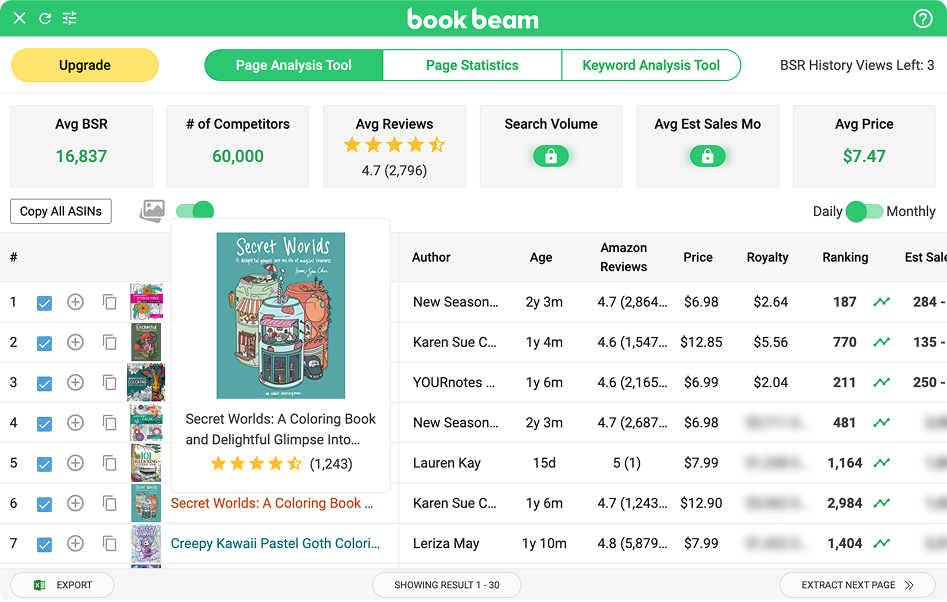
If you’re serious about building a sustainable publishing business as an author, choosing the right imprint, and understanding how it positions your book in the marketplace, shouldn’t be left to chance. That’s where BookBeam steps in, becoming your guide through the complex maze of publishing houses, press brands, and imprint strategies. BookBeam isn’t just another analytics tool; it’s an all-in-one market research and publishing intelligence platform specifically designed for authors navigating Amazon KDP and the modern indie landscape. Its robust research features empower you to take control of your imprint strategy, ensuring every publishing decision is grounded in data, not guesswork.
With BookBeam, you can instantly research which publishing imprint or house is making waves within your genre. Perhaps you’re torn between starting your own imprint or aligning with a respected press, BookBeam’s analytics reveal which imprints are thriving, what kind of readers they attract, and which house commands the best reputation. Imagine searching any bestselling book and seeing exactly which imprint published it, how that imprint is performing, and what positioning strategies successful publishers employ. This takes the trial-and-error out of imprint selection and helps you shape a business identity readers will trust.
For self-publishers looking to compete with big publishing houses, insight is everything. BookBeam allows you to track not just your own books, but also rival imprints, learning which branding tactics gain traction and which press names are losing steam. The result? You’ll make smarter, faster decisions about which imprint brings the best advantage to each book you launch and how your publisher strategy stacks up against others in your space. Authors who consistently use BookBeam find themselves ahead of industry shifts, identifying new niches, testing imprint names, and growing their publishing business with strategic precision.
Don’t squander your efforts writing the next great book, only to release it under a generic or misaligned imprint. Use BookBeam to analyze the competitive landscape, assess how readers respond to leading imprints, and refine your brand for maximum impact. If you want not just to publish, but to build a house of quality imprints that attract loyal readers and elevate your business, this is your data-driven shortcut. Try BookBeam today, and turn your imprint choices into the cornerstone of your long-term publishing success.
Understanding imprints is crucial for authors aiming to make informed publishing decisions. By recognizing how imprints influence a book’s branding, audience targeting, and credibility, you can better position your work for success. Whether you plan to publish independently or with a traditional house, choosing the right imprint, or creating your own, can significantly impact your author journey. For more actionable insights on building a thriving self-publishing business, explore BookBeam’s data-driven tools and resources that empower authors to publish smarter and more profitably on Amazon KDP.