Understanding imprints and subsidiary rights is crucial for Amazon KDP publishers aiming to maximize their book’s earning potential and reach. Navigating these industry terms can unlock new revenue streams, expand your book’s audience, and empower you to negotiate stronger publishing deals. In this guide, we’ll demystify subsidiary rights, show you how imprints work, and reveal practical strategies for leveraging these opportunities. Whether you’re new to self-publishing or scaling your KDP business, mastering this knowledge helps you safeguard your rights, and turn every book into a multi-channel asset.
Key Highlights
- Subsidiary rights enable authors to maximize book revenue through licensing, translation, audio, film, and merchandising deals across diverse markets and formats.
- Selecting the right imprint aligns your book with target audiences, enhances discoverability, and leverages established marketing channels for greater sales impact.
- Negotiating subsidiary rights carefully with agents and publishers preserves flexibility, safeguards future opportunities, and maximizes long-term profit potential.
- Thorough publishing agreements clarify rights, prevent disputes, and enable both authors and publishers to capitalize on profitable ancillary opportunities.
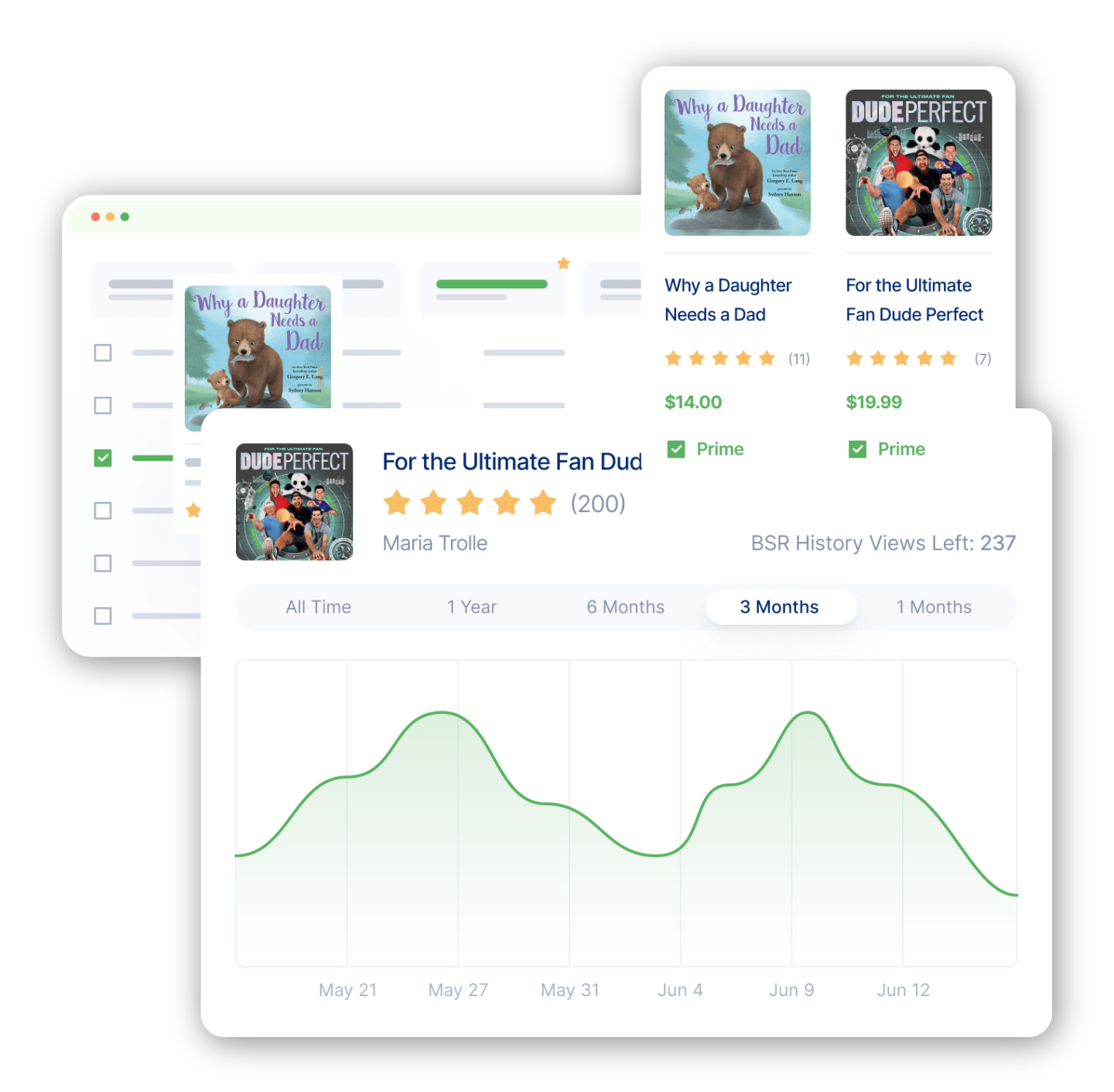
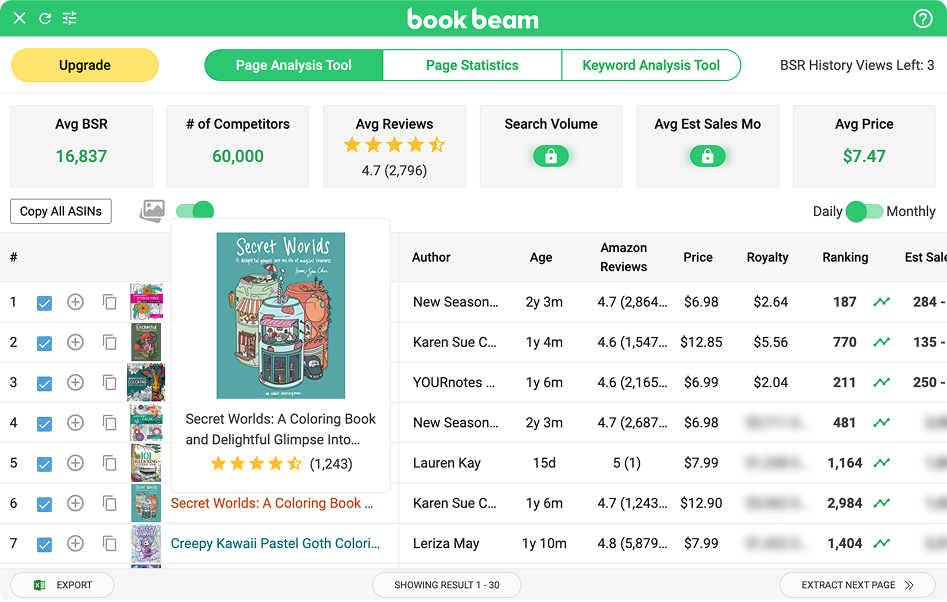
- BookBeam provides data-driven insights to validate niches, benchmark competitors, and empower smarter decisions for rights management and niche expansion.
Understanding What Subsidiary Rights Are in Modern Publishing
Subsidiary rights are one of the most important, yet least understood, aspects of the modern publishing business. If you’re an author navigating publishing agreements or an agent fighting for your interests, knowing how subsidiary rights work can dramatically boost both the reach and revenue of your work. These rights represent a bundle of opportunities for licensing, sublicensing, and making your book available across different media, markets, and products, beyond what the original publisher might offer. Grasping these rights lets authors, agents, and publishers maximize proceeds through the right agreements and initiatives, multiplying both exposure and income. Understanding subsidiary rights is essential for anyone who wants to take control of their publishing destiny and unlock the true potential of every book they create.
Essential Types of Subsidiary Rights Every Author Should Know
When people first encounter the term “subsidiary rights,” they often assume it’s a legal technicality buried in a publishing agreement. The reality is far more dynamic, and potentially lucrative, for anyone who aims to turn writing into a sustainable business. Subsidiary rights are specific rights granted when licensing a work and refer to the authorization to exploit a book in formats or markets outside of the original print edition. Understanding these essential types, and the arrangements around them, can be a game changer for authors and agents alike.
Let’s start with translation rights. These are among the most commonly sold subsidiary rights, and they let a publisher, agent, or author license the book to foreign publishers in various languages. You might write a mystery novel and grant a publisher rights to publish in English, but the translation rights enable your agent to sell the same work to publishers in France, Japan, or Brazil. Each licensing agreement offers upfront proceeds and introduces the book to new audiences and genres.
Audio rights and electronic rights are equally vital. Audio rights allow the publisher or agent to license an audiobook version, an area where demand has exploded. Similarly, electronic rights (or e-book rights) permit distribution in digital formats. While some publishing agreements bundle these rights with the primary publishing grant, savvy authors ensure they’re clearly defined, so that they can license or sublicense ancillary formats themselves in the future. Whether working through a publisher, agent, or direct licensing arrangements, keeping these rights distinct lets you tap multiple revenue streams.
Film, television, and dramatic rights are another major category of subsidiary rights. Imagine your book catching the eye of a production company. Selling subsidiary film rights to your agent or publisher enables them to negotiate a new licensing deal, expanding your work into different genres and products, sometimes with incredibly lucrative proceeds. Successful licensing agreements here can open doors for screenplay adaptations and international syndication, illustrating how subsidiary rights enable stories to leap beyond the printed page.
Then there are merchandising rights. These subsidiary rights allow for the creation and distribution of products based on the book, think branded apparel, toys, or even educational materials. These licensing arrangements are especially relevant in children’s and non-fiction genres, where the ability to reach schools, organizations, or additional demographics offers another layer of revenue and visibility.
Don’t overlook first-serial and second-serial rights. First-serial rights refer to publishing excerpts in a magazine or newspaper before the book’s official release, while second-serial rights permit publication of extracts after the fact. Both play a significant role when launching a title, enabling exposure to targeted audiences and boosting pre-release buzz through well-placed media partnerships.
Understanding these essential subsidiary rights, translation, audio, electronic, film, merchandising, and serial, helps you make informed decisions at the negotiation table with publishers and agents. It’s about recognizing that every book is more than just a single product; it’s a bundle of opportunities awaiting the right licensing or sublicense ancillary deal. Before signing any publishing agreement, carefully review what subsidiary rights are included, and work with an agent or legal expert to ensure you’re maximizing your options. The right approach to selling subsidiary and licensing agreements allows authors to expand their business, build income from multiple channels, and maintain the flexibility to develop new genres or products over time.
If you’re ready to get serious about your publishing business, always treat subsidiary rights not as an afterthought, but as a strategic pillar. By understanding these rights and the way agreements are structured, you’re set to make the most of every work you create, and BookBeam can empower you to research genres, track proceeds from licensing, and spot untapped opportunities in modern publishing sub-brands, imprints, and beyond.
The Role of the Imprint: How Branding Influences Specific Audiences
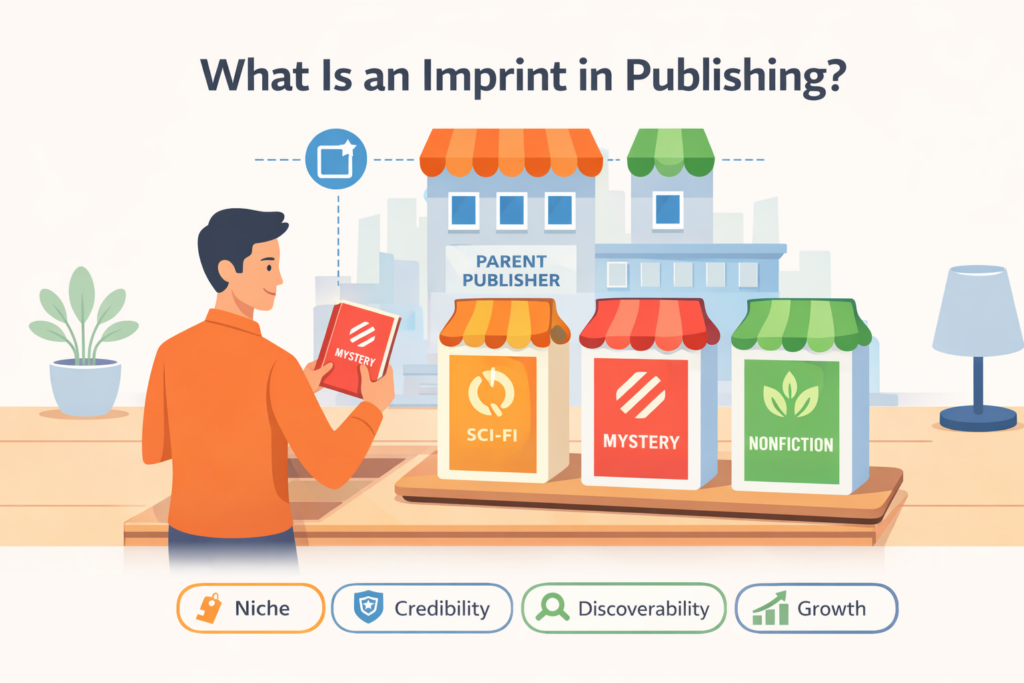
Choosing the right imprint is a fundamental decision in modern publishing that shapes how books connect with specific audiences and ultimately drive market success. An imprint isn’t just a label; it’s the brand name used by publishers to release books that resonate with distinct groups, genres, or reader identities. From the business side, effective use of book imprints lets publishers produce targeted marketing campaigns, build trust, and create loyal audience segments. For authors aiming to maximize reach and income, aligning with the right imprint can mean the difference between blending into the crowd and standing out in competitive niches. Understanding how imprints operate helps both authors and publishers position their market titles for the best chance at lasting impact and sales.
Choosing the Right Imprint for Your Book’s Target Demographic
Picking the right imprint for your book is more than a formality, it’s a strategic move that can define your publishing trajectory, reach, and commercial success. Imprints operate as unique brand names used by publishers to signal to readers, agents, and booksellers what kind of experience or value they can expect from a given title. This is why understanding how to choose among book imprints matters just as much as crafting a compelling story or designing a captivating cover. The right imprint instantly places your book in front of specific audiences, speaking directly to their needs, tastes, and expectations.
Today’s publishing business is increasingly nuanced, with each imprint carving out a recognizable presence in particular genres, formats, or reader communities. For instance, a publisher may have separate imprints for science fiction, business self-help titles, or young adult fiction, each developed around deep knowledge of the tastes and behaviors of its target demographic. When an author aligns their book with the correct imprint, they tap into established marketing pipelines and loyal groups of readers who trust that imprint’s promise of quality or content type. This gives new releases an immediate advantage in crowded markets and supports sustained discoverability.
Before choosing an imprint, diligent research is crucial. Start by defining your book’s target demographic as precisely as possible: consider their age, reading preferences, online communities, and purchasing habits. Are your audience business professionals looking for actionable insights or are they fans of niche genres who crave innovative narratives? Research which imprints consistently produce top-selling titles in your niche by examining bestseller lists, publisher catalogs, and social media engagement. Pay close attention to how successful market titles are branded, marketed, and reviewed, spotting what resonates with the community you want to reach.
Authors shouldn’t simply default to the largest or most recognizable imprint. Instead, weigh the benefits of smaller, specialized imprints that may serve your unique audience more effectively. Niche imprints can be incredibly influential in marketing to tightly defined groups where word-of-mouth and community trust drive sales. By picking an imprint that is known for serving your demographic, you not only gain access to that imprint’s marketing strategies but also benefit from their business expertise and established relationships with key retailers.
When negotiating with publishers or agents, make sure the imprint’s branding aligns with your long-term goals. Don’t hesitate to ask how the publisher plans to position your book within the imprint’s catalog, what kinds of marketing resources they’ll allocate, and how they’ll leverage established branding to boost your release. Transparency here empowers both publisher and author to produce a coherent marketing campaign that speaks to specific audiences and differentiates your book in the marketplace.
Branding through the right imprint adds credibility and recognition to your work. It makes it easier for booksellers and librarians to recommend your title, since they know the kind of content associated with the imprint. It also sharpens your author brand, building equity for future projects. Collaborative relationships between authors, agents, and publishers around imprint selection can lead to smarter releases, targeted, impactful, and sustainable for the long haul.
For anyone serious about the business side of publishing, don’t view imprints as interchangeable labels. Treat imprint selection with the same rigor and market research you’d apply to writing or packaging your book. BookBeam’s publishing analytics help streamline this process, providing real-world data on how different imprints perform with certain demographics, what niches are underserved, and which marketing approaches actually convert browsers to buyers. This gives authors and publishers the intelligence needed to make, brand, release books, and market with confidence, growing audience share, maximizing proceeds, and building a resilient publishing brand over time.
Navigating Subsidiary Rights with Agents, Publishers, and Authors
The journey of subsidiary rights doesn’t end with understanding their types or choosing the right imprint, it’s often about navigating the complex relationships and negotiations among authors, agents, and publishers. Every publishing agreement becomes a crucial business decision that can shape the lasting value of a book and determine how its rights are managed, licensed, and monetized. Authors need agents who know how to fight for favorable clauses and proceeds, publishers who can maximize market potential, and smart, clear agreements that outline exactly what rights are granted and how revenue is shared. Understanding best practices for these negotiations is the bridge between owning opportunity and letting it slip away.
Best Practices for Authors and Their Agents in Negotiating Rights
Negotiating subsidiary rights is where the real business savvy in publishing emerges. For authors and their agents, the goal isn’t just to complete any publishing agreement, it’s to ensure the agreement unlocks the maximum potential of the work while preserving flexibility and future options. Agents are the frontline advocates, often acting as translators between the creative aims of authors and the commercial priorities of publishers, so it’s crucial they enter negotiations thoroughly prepared with market knowledge and a clear strategy for subsidiary rights.
First, authors should recognize that the initial publishing agreement sets the stage for all future licensing. Agents need full clarity about which subsidiary rights are included, whether that’s translation, audio, electronic, film, serial, or merchandising, and which are reserved. The more granular the agreement, the better. For instance, instead of letting the publisher claim “all rights,” negotiate to grant only the rights they’re genuinely equipped to exploit, retaining others for the author and agent to license separately. This division sets the foundation for maximizing proceeds across various channels and markets.
Communication and transparency between authors, agents, and publishers are paramount. Agents should advocate for explicit, detailed clauses on proceeds: what’s the share structure when subsidiary rights are sold, and how are licensing revenues divided between author, publisher, and agent? Don’t be afraid to ask for escalation clauses or reversion rights if the publisher hasn’t succeeded in licensing certain rights within a specified timeframe. These strategies enable authors to regain control over unused rights, keeping their work mobile and marketable.
Another key best practice is leveraging comparative data. Today, both agents and authors should come armed with insights from industry analytics, like those provided by BookBeam, highlighting recent deals in comparable genres, typical licensing terms, and realistic income projections for different types of rights. This research levels the playing field in negotiations, helping you push back on vague or restrictive offers and ensuring the deal supports your long-term business strategy, not just a quick payday.
It’s equally important to build flexibility and future-proofing into the agreement. Given how fast formats, platforms, and global markets evolve, leave room to renegotiate or adapt licensing terms as new opportunities arise. This is especially relevant for audio or electronic rights, where rapid shifts in technology and reader behavior can make early agreements obsolete. A thoughtful agent will ensure that these clauses are not buried in legal jargon, but are practical, enforceable, and reflect a modern approach to the publishing business.
Finally, always keep the author’s brand and long-term goals front and center. The short-term gain of a large rights grab by the publisher may be tempting, but it could limit licensing potential or creative leverage down the road. Agents and authors who see themselves building a business, whether in fiction, non-fiction, or niche genres, should treat every agreement as a piece of a much larger puzzle, one that affects future books, adaptations, and overall career trajectory.
For anyone committed to building a sustainable publishing income, these negotiation practices around subsidiary rights form the groundwork for ownership, control, and growing proceeds. Don’t treat subsidiary rights as boilerplate details, make them a central part of your business discussions and leverage every opportunity for smarter, data-driven decision-making. Consider consulting with publishing experts or platforms like BookBeam that specialize in analyzing rights trends, so you and your agent can approach each agreement from a position of strength and insight. Make the most of your work by mastering the art of subsidiary rights negotiation, and position every book, agreement, and licensing deal as an integral step in your publishing journey.
Publishing House Agreements: What Every Publisher and Author Must Watch For
Every successful publishing venture hinges on rock-solid agreements that clarify the partnership between author and publisher, yet it’s in the fine print that fortunes are won or lost. From defining which subsidiary rights are granted, to spelling out how proceeds are shared, contemporary publishing agreements have become critical business instruments. Both authors and publishers must stay vigilant: what’s agreed upon not only determines who can sell and market the original work, but also shapes the full array of ancillary opportunities, including licensing arrangements for audio, translation, film, and merchandise. Mastering these publishing agreements is the foundation for building a thriving, adaptable, and resilient publishing business.
How to Make Informed Decisions on Subsidiary Licensing Opportunities
Making informed decisions around subsidiary licensing opportunities is where the modern publisher and author step beyond basic agreements and into true strategic territory. The crux of a publishing agreement isn’t just about printing and selling books; it’s about controlling, and capitalizing on, the many avenues by which a work can reach wider audiences and generate new proceeds. For both publishers and authors, understanding the interplay between rights granted, licensing arrangements, and subsequent business opportunities unlocks an entire ecosystem that can turn a book from a single product into a robust portfolio of revenue streams.
The first principle is clarity. Before you ever sign a publishing agreement, request full transparency on what subsidiary rights are included and which, if any, remain with the author. Ask yourself: Are you granting the publisher the right to license translations, audio, or digital formats? Who controls the negotiation and sale of these ancillary rights, and how are proceeds split if the publisher secures new deals? If these elements are vague, you risk leaving potential business on the table, or, worse, ceding control of future income. Always remember that any ambiguity in licensing agreements can lead to missed opportunity and disputes later on.
Smart business decisions start with a granular review of every rights clause. What specifically does “rights granted” entail in your agreement, does it cover only the primary format, or does it extend to secondary and tertiary media? For authors determined to build their brand, it often makes sense to retain as much control as possible, negotiating for only those rights the publisher is equipped to actively exploit. Publishers, meanwhile, need to honestly assess whether they have the marketing reach, industry contacts, and expertise to maximize each right. Both parties must resist cookie-cutter deals in favor of arrangements that reflect their actual capabilities and ambitions.
Proceeds from licensing and selling subsidiary rights are where long-term value accumulates. Every time an ancillary product is sold, whether that’s a film option, a branded calendar, or a translation into a new market, agreements must clearly state how proceeds are divided. Well-structured contracts often use a business model where both sides share in the upside, sometimes on a sliding scale or with escalation clauses as certain sales milestones are reached. Properly negotiated, these terms ensure that everyone who contributed to the book’s creation and release benefits fairly as new licensing opportunities are realized.
When considering a licensing agreement, research pays off. Benchmark your deal against comparable titles and analyze how similar works have fared, using market research tools like BookBeam to confirm there’s real opportunity in a given niche. Don’t rely on guesswork, effective publishers and authors alike use data to forecast the potential value of each right, including expected proceeds, target audiences, and the best partners for new licensing arrangements. For example, if your business book is trending in one language, investigate which foreign publishers reliably sell similar works and approach negotiations with those insights ready.
Remember, subsidiary rights aren’t just an afterthought, they’re the foundation for building a publishing business that grows and adapts. Every agreement is an opportunity to position your work for maximum reach and income, so scrutinize every term. If you’re an author, lean on your agent and demand a breakdown of past deals to justify terms. If you’re a publisher, stay current with industry shifts and pivot your approach as new technologies or formats emerge. Always keep one eye on the market and one on your agreements: that’s how you’ll identify and seize licensing opportunities before competitors do.
Ultimately, the most successful publishers and authors are those who master the full scope of their agreements, seeing them not simply as legal necessities but as blueprints for business development. Each subsidiary right secured, licensed, or retained multiplies the possible returns on your creative work. So review every clause, validate every opportunity, and ensure your publishing agreements set the stage for a sustainable, scalable, and future-focused publishing enterprise. If you’re ready to make smarter decisions and maximize every aspect of your business, leverage platforms like BookBeam to track the latest trends, analyze the marketplace, and make sure every licensing arrangement works in your favor.
Leveraging BookBeam Data to Uncover Profitable Subsidiary Niches
Making money with subsidiary rights is no longer a game of blind luck. For today’s ambitious authors and publishers, winning in the evolving publishing landscape means combining expert negotiation with laser-focused market research. BookBeam stands at the forefront of this shift, empowering both publishers and authors to cut through the noise and identify high-potential subsidiary niches, those sweet spots where branding, marketing, and unique content converge for maximum impact and proceeds.
Think of BookBeam as your competitive edge in a crowded marketplace. Too often, publishers and authors spend valuable resources chasing broad categories or guesswork-driven trends, only to discover their book imprints get lost among countless market titles. BookBeam mitigates that risk by delivering targeted, data-driven insights. By drawing on real-world data, you get clarity on which subsidiary channels, translation, audio, e-book, or dramatic rights, are thriving in specific genres and regions. This intelligence lets you confidently decide which rights to retain, license, or sell, giving you a strategic advantage and a clear path to profitable publishing.
Profitable niches aren’t just about keyword searches or ranking lists; they’re about recognizing where your unique value meets real, unmet demand. With BookBeam, you can analyze sales trends, branding effectiveness, and marketing strategies of bestsellers and under-the-radar breakout hits. For example, if you’re considering a niche within children’s educational books or wellness guides for unique audiences, BookBeam’s data will highlight which book imprints consistently produce titles that capture reader attention, and, more importantly, sales. The platform also helps authors and publishers benchmark their titles against comparable market titles, ensuring they understand exactly what drives performance in those niches.
Authors navigating the world of subsidiary rights often ask: “How do I validate that my book has real potential in secondary markets?” BookBeam provides the answer by deconstructing data not only on historical sales but also recent trends in subsidiary licensing deals. This allows you to spot, for instance, when graphic novels are selling particularly well as merchandise in one market, or when a specific publisher consistently succeeds in branding titles for international adaptation. By connecting your creative output with BookBeam’s analytics, you’re able to make more informed decisions, choosing subsidiary opportunities that align with your long-term branding and marketing goals.
Publishers and book imprints, likewise, benefit from BookBeam’s granular analytics by quickly identifying untapped subsidiary rights. Let’s say you’ve noticed a particular genre, such as business self-help or niche cookbooks, experiencing surge in demand for foreign language editions or audiobook rights. With BookBeam’s deep dive into data, you can differentiate between short-term fads and sustainable trends. You’re able to align your marketing and production resources with the exact subsidiary rights likely to yield the highest proceeds, turning every book and subsidiary agreement into a reliable source of ongoing revenue.
Branding and marketing are not afterthoughts, they’re integral to maximizing every deal. By using BookBeam to monitor competitor strategies and audience engagement, authors and publishers can sharpen their branding, making each subsidiary product more appealing to licensing partners and readers alike. Stop making decisions based on instinct; let BookBeam’s market intelligence guide you to the right subsidiary niches, whether you’re producing your next breakout book or negotiating complex subsidiary rights deals.
If your goal is to build a lasting publishing business, the path forward is clear: leverage smarter data to make better decisions, maximize proceeds, and ensure every book, subsidiary deal, and imprint is aligned for success. Get started with BookBeam and transform market research into your most powerful publishing asset.
Understanding and leveraging subsidiary rights can unlock additional revenue streams, amplify your reach, and establish your author brand across new markets. Whether you’re navigating imprints or negotiating rights, making informed, data-driven decisions is essential for long-term publishing success. BookBeam empowers self-publishers to visualize market opportunities and track competitors, helping you maximize the value of every book published. Ready to elevate your publishing journey? Start a free trial with BookBeam and transform your approach to market research, niche validation, and strategic rights management today.