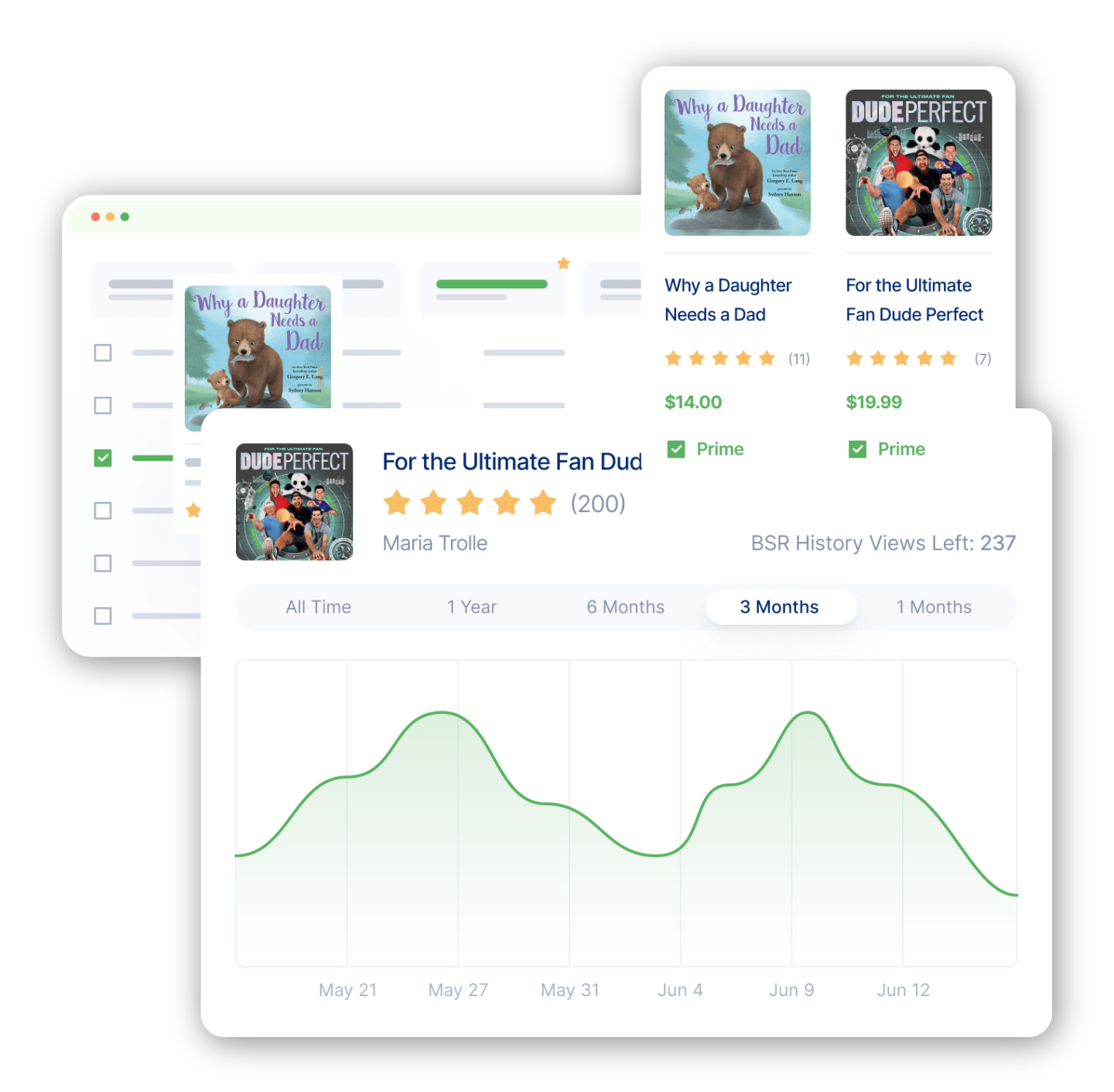

Unlocking consistent book sales on Amazon starts with understanding how your keywords perform. Tracking your keyword performance isn’t just about watching rankings, it’s about making data-driven decisions that maximize visibility and drive steady income. Whether you’re testing new keywords or optimizing existing listings, focused monitoring can reveal untapped opportunities and signal when it’s time to pivot your strategy. In this guide, you’ll discover practical methods for tracking Amazon keywords, uncover the essential metrics to monitor, and learn how industry-leading tools like BookBeam accelerate your publishing growth through smarter keyword insights.
Key Highlights
- Consistent keyword tracking is essential for sustainable, data-driven Amazon KDP growth and profitability.
- BookBeam simplifies profitable niche discovery with real-time analytics, competitor tracking, and actionable insights.
- Implementing robust keyword trackers transforms monitoring into an ongoing, results-driven optimization strategy.
- Granular analysis of Amazon search data uncovers high-impact keywords and drives smarter, better-performing campaigns.
- Actionable checklists and continuous improvement ensure publishers refine strategies and maximize success using BookBeam.
Why Monitoring Keyword Performance Matters for Amazon KDP Publishers
Effective monitoring of keyword performance on Amazon is an absolute necessity for KDP publishers who want lasting results. Publishing success on Amazon isn’t about “set and forget”, it’s about understanding which keywords are driving real performance and which are falling short. From monitoring the performance of your book listings to tracking keyword trends that lead to consistent sales, every decision needs to be grounded in up-to-date analytics. Regular tracking helps publishers react quickly to shifts in demand and competition, optimizing campaigns for better results. By building habits around performance tracking, Amazon sellers can turn guesswork into strategy, transforming book sales into a data-driven, scalable business.
How Effective Performance Tracking Drives Sustainable Book Sales
For Amazon KDP publishers, mastering the art of performance tracking is what separates one-hit wonders from brands with real staying power. When you monitor keyword performance with intent and discipline, you unlock a cycle of continual growth, each insight compounding on the next to drive superior results over time. Performance analytics go far beyond simple vanity stats; they reveal the story behind every sale, highlighting which keywords are pulling their weight and which need rethinking. This is why serious sellers adopt regular tracking, monitoring every detail from rank changes to conversion rates across all campaigns and keywords becomes second nature.
With Amazon’s algorithm constantly evolving, having timely analytics empowers publishers to pivot fast. When you monitor keyword performance, you learn the “language” of your buyers, the precise terms they’re searching, and you adapt your strategy in response. The difference between a stagnant listing and a bestseller often comes down to who’s paying attention to performance and making tweaks every step of the way. Sellers who treat performance tracking as a discipline aren’t left guessing, they’re uncovering which keywords spike during peak seasons, which consistently deliver sales throughout the year, and how campaign adjustments affect rankings in real time.
Authors who ignore analytics risk publishing in the dark, letting valuable market share slip away. Regular tracking of what works and what doesn’t takes emotion out of the equation. Looking at keyword performance in real numbers shows you if your “dream keyword” really delivers or if it’s time to pivot. Amplifying what works and cutting what doesn’t is the foundation of effective performance management. Amazon KDP sellers especially benefit from granular data, whether that’s tracking keyword performance for each book, leveraging PPC campaigns, or conducting routine audits to spot patterns and seize emerging opportunities before competitors do.
Sellers who invest the time to monitor keyword shifts notice how competitive certain terms become, letting them adapt their strategy to maintain ranking. Detailed analytics provide an ongoing feedback loop for optimizing your campaigns and product listings. By tracking keyword performance regularly, you’re not just improving for the sake of today’s sales, you’re creating a thriving publishing pipeline that generates revenue month after month. For every successful Amazon seller, performance tracking isn’t a chore, it’s a mindset, one where each monitored detail leads to smarter decisions, better campaigns, and a sustainable publishing income. If you want to join the top ranks of Amazon KDP, commit to monitoring keyword performance with the same passion you bring to your writing. That’s what transforms sporadic success into lasting, data-driven growth.
Mastering the Process of Keyword Selection for Maximum Impact
Choosing the right keywords remains the single most powerful lever for Amazon KDP publishers aiming to elevate both visibility and profitability. The process of keyword selection isn’t about gut feelings or aimless experimentation, it’s a deliberate, research-driven approach that begins with understanding market demand and ends with strategic implementation. By mastering this process, sellers build a foundation for data-backed publishing decisions, creating opportunities to reach untapped audiences and carve out sustainable niches. Leveraging advanced tools like BookBeam, publishers can shortcut guesswork, using robust analytics and research capabilities to pinpoint high-impact keywords that align with their unique publishing goals. The following insight unpacks actionable steps that make the process both systematic and results-focused.
Practical Steps to Identify Profitable Niches with BookBeam
Unlocking the true potential of Amazon requires a step-by-step process that transforms raw keyword data into a roadmap for profitability. Too many sellers still rely on intuition or anecdotal evidence, which in a marketplace as dynamic as Amazon, will leave you chasing trends rather than setting them. That’s why the process should always begin with focused keyword research, and this is where BookBeam’s platform truly shines.
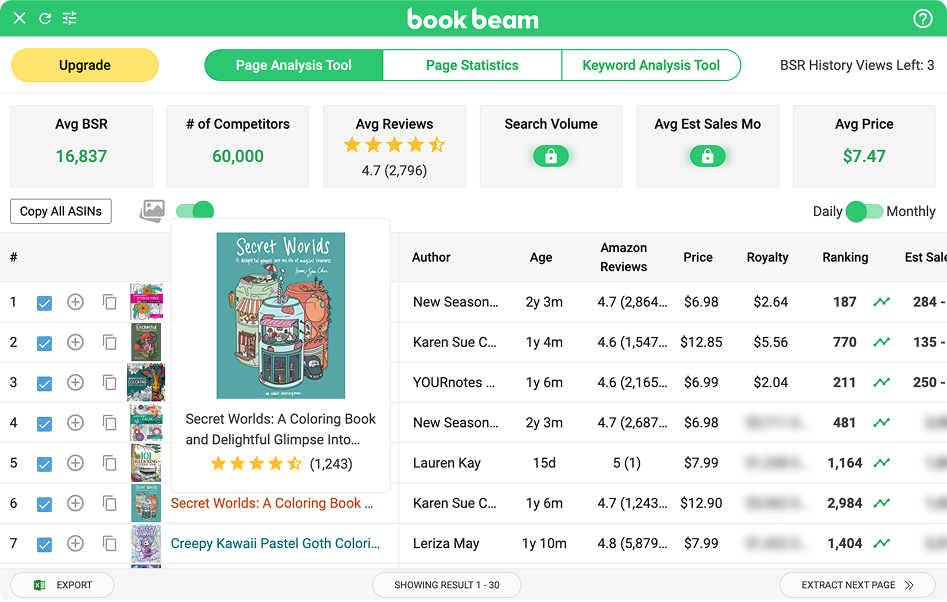
Start by diving into niche research using BookBeam’s research features. You’ll want to cast a wide net initially, gathering potential keywords by exploring Amazon’s own suggestions, competitor book listings, and trending topics within your category. Instead of just collecting keywords randomly, prioritize those that show clear signs of active demand, search volume, recent sales data, and ongoing interest are crucial indicators. BookBeam’s analytics dashboard consolidates these data points in real time, letting you observe which niches are spiking and which ones are stagnating over weekly or monthly cycles.
Analysis is more than checking for demand; it’s about dissecting the profitability of each niche. Use BookBeam’s analytics and profit estimation tools to cross-examine search volumes against sales velocity and competition density. Are sellers in your target niche seeing a steady number of sales, or is the market led by a handful of established players? With granular analytics at your fingertips, you can spot “low competition, high demand” opportunities, the sort that are rare but always worth the effort.
Keyword analysis should now become hyper-focused. Switch from broad research to drilling down with keyword analytics that show seasonality, buyer intent, and trending phrases. Remember: Amazon shoppers won’t always use the exact keywords you expect. BookBeam highlights related keywords and search terms that competitors might be missing, surfacing entrances to the market that are both fresh and underserved.
The next critical step in the process is validation, never assume profitability based on surface analysis alone. Compare multiple analytics views within BookBeam to see how keywords have performed for other sellers over time. If your chosen keywords show consistent performance across competitors’ listings and rankings, there’s a strong chance the niche has enduring profitability. Use the platform’s competitor tracking to analyze which keywords are supporting top sellers versus those that fizzle out with changing trends.
Once you’ve completed your analysis, refine and prioritize your final keyword list. BookBeam allows sellers to save, compare, and organize keywords, turning a sprawling mass of research into an actionable content and launch strategy. Consistently monitor performance, letting analytics guide your ongoing decisions, so your approach evolves with the Amazon marketplace.
Don’t settle for passive research methods or outdated guesswork. Leverage BookBeam’s all-in-one research and analytics process to move from identifying profitable niches to confidently claiming them. Each step, research, analysis, validation, monitoring, builds on fundamentals that empower you to move faster and drive real-world results. When you focus on data-driven process and tools like BookBeam, you’re no longer just another Amazon seller; you’re a publisher who masters profitability, one impactful keyword at a time. If you’re ready to join the ranks of sellers thriving on Amazon, start reshaping your keyword strategy today, BookBeam is your shortcut to smarter research, deeper insights, and higher publishing income.
Implementing a Keyword Tracker: Essential Tools and Best Practices
Solid keyword tracking separates guesswork from precision when publishing on Amazon KDP. Establishing the right system lets you monitor keyword rank, spot emerging opportunities, and direct your efforts toward what’s actually moving the needle. A high-quality keyword tracker or rank tracker eliminates blind spots, empowering you to make real-time adjustments as ranking data shifts. This process lets sellers see deeper into their niche, using robust analytics to track keyword rankings, refine listing management, and elevate performance in a crowded marketplace. The right combination of intelligence and tools amplifies competitive advantage, ensuring you’re always in tune with what your audience is searching for, and how you’re meeting that demand.
Setting Up a System to Monitor Keyword Rank Over Time
If you want sustainable success as an Amazon KDP publisher, you’ve got to implement a robust keyword tracking system from the very beginning. Flying blind with keyword performance leads to wasted advertising spend, listings that stagnate on page four, and opportunities slipping right into the hands of competitors. Let’s get tactical and walk through why and how to set up a system that allows you to monitor keyword rank, gather ranking data, and optimize over time, so every effort you put in returns dividends.
First, you need to select a reliable keyword tracker (or rank tracker) that’s specifically built for Amazon analytics. While some big names, like Helium, offer comprehensive rank tracking and analytics, many serious KDP publishers opt for tailored solutions such as BookBeam. These tools combine intelligence, automation, and highly granular data, all primed for the Amazon ecosystem. The advantage of using a purpose-built keyword tracker lies in the consistency and depth of tracking keyword rankings. Rather than managing a spreadsheet and manually checking your listings, automation ensures you get real-time snapshots of your keyword rank, making monitoring easy and immediate.
The core of effective tracking is establishing which keywords truly matter to your listing. This means choosing not just your top target terms, but also related phrases and long-tails where you could realistically gain a foothold. When setting up your rank tracking, think beyond vanity keywords; include those relevant phrases that generate sales but might not rank on every publisher’s radar. Your tracker should allow you to monitor these keywords side by side, highlighting exactly where your efforts are resulting in incremental gains, or where you might be slipping.
A keyword tracker isn’t just about monitoring rank on a given day, it’s about observing how your keywords perform over time. Set up your tool to visualize how rankings move with each change in your listing management, such as adjusting book titles, descriptions, or back-end keywords. A modern analytics platform will let you plot these shifts on a timeline, so you can tie spikes and slumps in performance directly to actions you’ve taken. For KDP publishers, this intelligence is worth its weight in gold: you’ll know whether your last round of listing optimizations pushed your titles up the search results, or if competitor activity has forced you to rethink your keyword strategy.
Smart publishers don’t just look for immediate wins, they’re interested in how keyword rank evolves, both seasonally and as the marketplace shifts. By tracking data points at regular intervals (daily, weekly, monthly), you’ll see patterns that reveal far more than the “snapshot” some basic tools provide. For example, a keyword that ranks well during the holidays might fade the rest of the year, requiring you to diversify your ranking efforts. Alternatively, you might find sleeper terms that consistently inch upward, warranting focused investment.
Ensure your monitoring also covers competitor performance. The best analytics give you intelligence on how rival listings shift in rank over time, which keywords they gain traction on, and where you might be able to outperform them through tactical improvements to your own management strategy. With a comprehensive tracker, you’re not just acting on your own data, you’re leveraging a live benchmark against the entire marketplace.
Wrapping it up, a strong keyword tracking and rank tracker system will quickly become the backbone of your Amazon business. It transforms every change, experiment, and campaign into feedback you can use, compounding your advantage over time. Don’t leave your results to chance, build your publishing business on a foundation of data, intelligence, and a relentless commitment to monitoring results. Set up your system today and join top sellers who let rank tracking and analytics guide their path to sustainable, repeatable success.
Unpacking Keyword Analysis: Gaining Insights from Amazon Search Data
Understanding Amazon search data is the gateway to unlocking high-impact keyword opportunities and elevating your keyword performance. Through keyword analysis and rigorous analytics, sellers can dissect the difference between traffic that delivers sales and keywords that simply clutter their campaigns. By studying data-driven patterns, organic and paid traffic, keyword trends, and campaign results, authors can transform analysis from a buzzword to a proven strategy. Holistic keyword analysis arms you with granular intelligence, showing how keywords fuel both short bursts in ranking and sustained, long-term performance. Here, you’ll discover why leveraging precise analytics doesn’t just provide insight, it shapes smarter decisions for every Amazon KDP publisher willing to let the data do the heavy lifting.
Leveraging Data-Driven Decisions to Improve Performance
When it comes to scaling your Amazon KDP publishing business, guesswork can only take you so far. True, sustainable performance is built on the backbone of rigorous keyword analysis, using real analysis to illuminate every aspect of your campaigns and drive every actionable decision. At its core, keyword analysis means systematically studying both the organic and paid keywords that feed traffic into your Amazon listings, teasing out which search terms genuinely move the dial and which simply inflate your vanity metrics. It’s not about drowning in data, but about transforming those analytics into power moves to sharpen your competitive edge.
To begin this process, think like a data scientist, not just a publisher. Start by setting concrete goals for your keyword performance. Are you aiming to increase organic visibility, lower paid traffic costs, or expand your reach within untapped niches? The answers guide which slices of Amazon’s search data you’ll focus on. Smart sellers rely on advanced analytics, like those BookBeam provides, to reveal not just which keywords generate the most traffic, but which ones convert that traffic into real, trackable performance improvements. Remember: high-traffic keywords aren’t always high-performing; it’s granular analysis over time that uncovers the true stars in your keyword arsenal.
Combine campaign-level research with deep-dive page analytics. A frequent mistake among Amazon sellers is obsessing over top-level traffic without looking at how engagement, conversion, and ranking metrics intersect. With BookBeam, for example, you can break down keywords by campaign, examining how specific analytics, impressions, click-through rate (CTR), and conversion, interrelate. This allows you to see if your organic efforts outperform your paid campaigns, or if certain keywords perform better in one format versus another. Use this intelligence to reallocate your budget, trimming low-return campaigns and doubling down on words that consistently deliver performance.
Another critical layer is historical trend analysis. Instead of relying on a week’s worth of performance data, track how your keywords have trended, both while you’ve been running campaigns and during periods of organic discovery. By mapping analytics over time, you’ll spot when new competitors enter the field, when Amazon’s algorithm changes impact your rankings, or when a keyword’s relevance shifts with seasonal demand. BookBeam’s analytics dashboard aggregates these touchpoints, letting you monitor patterns, interpret volatility in rank and sales, and calibrate your strategy for both quick wins and lasting growth.
Don’t overlook competitor analytics, either. Monitoring the analytics of rival sellers helps you triangulate which keywords are driving their performance and where gaps exist in their organic or paid strategies. Discover which keywords have suddenly started dominating traffic, and why. Perhaps a competitor invested heavily in a PPC campaign, pushing a specific keyword to the top for a burst, or maybe a keyword is slipping in performance due to shifting customer trends. By syncing your campaign analysis with these competitive insights, you’ll find opportunities to strike where others are stalling, ensuring your own traffic and sales remain robust.
A final step is ongoing validation. The Amazon space changes fast; yesterday’s winning keywords can fade quickly without continuing analysis. Establish regular intervals to revisit keyword analytics and adapt your campaigns as the analysis dictates. Check which keywords’ performance has plateaued and which demonstrate repeatable success. BookBeam’s automated analytics reports help you stay proactive, not reactive, keeping your Amazon publishing pipeline finely tuned for real-world results.
The beauty of true keyword analysis on Amazon lies in its ability to eliminate waste and amplify what works. Every piece of analysis is a tool for smarter decisions, and every insight moves you closer to top-tier performance. Don’t settle for partial data or gut instincts, let analytics be your compass. Ready to elevate your Amazon KDP business? Make keyword analysis, ongoing traffic research, and analytics-led campaigns your standard practice, BookBeam’s platform provides the real-world intelligence you need. Tap into your data today and turn every analysis into a step toward publishing success.
Engage and Optimize: Next Steps to Amplify Your Keyword Tracking Strategy
Leveling up your keyword tracking isn’t just about collecting data, it’s about converting that intelligence into tangible optimization and ongoing publishing success. At this point, you’ve set the foundation by learning why regular monitoring and analytics are critical for effective Amazon listing performance, how robust keyword research and analysis pave the way for discovering niches, and how BookBeam empowers sellers with actionable intelligence and management tools. Now, it’s time to make your tracking process truly actionable and systematic. This final phase is about giving you a practical, step-by-step checklist to refine your monitoring, ensure your optimization process remains data-driven, and help you continually unlock more profitable Amazon campaigns and listings.
Downloadable Action Checklist to Refine Your Monitoring Process
To turn your Amazon keyword strategy from theory into high-yield practice, you need a repeatable, actionable process that eliminates guesswork and builds muscle memory around what works. Here’s a comprehensive checklist, downloadable, printable, and designed for KDP publishers and Amazon sellers who demand real results from their analytics, research, and management efforts.
- Set Up Consistent Analytics and Monitoring Infrastructure
Begin by establishing a reliable analytics system, like BookBeam, that automates the regular tracking and monitoring of your vital keywords. Make sure you’re capturing data on keyword rank, search volume, sales performance, and trends over time. Set reminders to review analytics at regular intervals, weekly for fast-moving niches, monthly for slower categories. This regular timing ensures nothing slips through the cracks, so your optimization is based on fresh intelligence, not outdated assumptions. - Centralize Keywords and Campaign Management
Keep your research organized by building a master list of all your important keywords for each listing, primary keywords, long-tails, and related terms that drive performance. Track which keywords you’re targeting in organic listings and which live in your paid campaigns. Use analytics tools to monitor these groups separately, allowing for nuanced analysis and adjustment. Mark keywords that consistently underperform so you can quickly identify which ones to replace or further analyze. - Conduct Regular Research and Niche Analysis
Keyword optimization isn’t a set-and-forget process. Conduct deep-dive research sessions, especially whenever you notice drops in performance or shifts in Amazon search trends. Leverage intelligence from BookBeam and other market analytics tools to hunt for emerging niches, declining search volume, and new high-potential keywords. Use this research to create a shortlist of candidates to test and rotate into your campaigns or listings. - Continuous Performance Analysis and Adjustment
Every time you implement a keyword change, whether that’s updating a title, backend search terms, or launching a new campaign, make a note of the timing. Use your analytics dashboard to plot performance before and after changes. Look for uplift in ranking, sales, or conversion rates. If you don’t see progress over a set time, revert to the previous configuration and retry with new insights from your analysis. This cycle forms the backbone of true optimization. - Benchmark Against Competitors
Effective keyword management and monitoring means not only tracking your own progress but keeping an eye on rival sellers and listings. Using competitive analytics, track which keywords your competitors are rising on, which campaigns they’re investing in, and how their listings shift over time. Use this intelligence to refine your own research and experimentation, if a competitor’s keyword delivers consistent performance, add it to your watch list for further analysis. - Routinely Audit Your Process for Efficiency
At least once per quarter, audit your entire keyword monitoring process from end to end. Are you missing out on emerging keywords because of outdated analytics? Is your research aligned with your growth goals? Are your campaigns being optimized quickly enough as market dynamics change? Map your process against this checklist to identify bottlenecks or inconsistencies, and use BookBeam’s process automation where possible to scale your efforts while saving time. - Summarize Insights and Share Learnings
Every new cycle of analysis and monitoring generates insights. Keep a living document where you record what worked, what didn’t, and why. Regularly share these findings with your publishing or marketing team to align everyone’s understanding of performance optimization. This culture of informed experimentation and sharing transforms analytics from just “data” into the intelligence that drives real Amazon growth.
By rigorously following this checklist, you not only refine your keyword monitoring process, you turn keywords, analytics, research, and management into a living, responsive system that amplifies your campaigns, saves time, and maximizes performance. Don’t leave your next publishing success up to chance. Download this checklist, plug it into your existing workflow, and let data-driven monitoring be the foundation of your Amazon optimization strategy moving forward. Want a shortcut? BookBeam’s all-in-one platform brings this entire process under one roof, transforming how sellers monitor, analyze, and outperform the competition. It’s time to act, refine your process, sharpen your strategy, and watch your Amazon performance grow.
Continuous keyword monitoring is crucial for scaling your Amazon KDP publishing success. By keeping a close eye on keyword performance, adjusting strategies, and leveraging data-driven insights, you position your books for optimal visibility and sustained growth. With BookBeam, you gain powerful analytics that take the guesswork out of keyword tracking, so you can focus on publishing smarter, outperforming your competition, and maximizing royalties. Ready to track, optimize, and profit from your keywords? Start your free trial with BookBeam and take the first step toward a more profitable publishing business today.