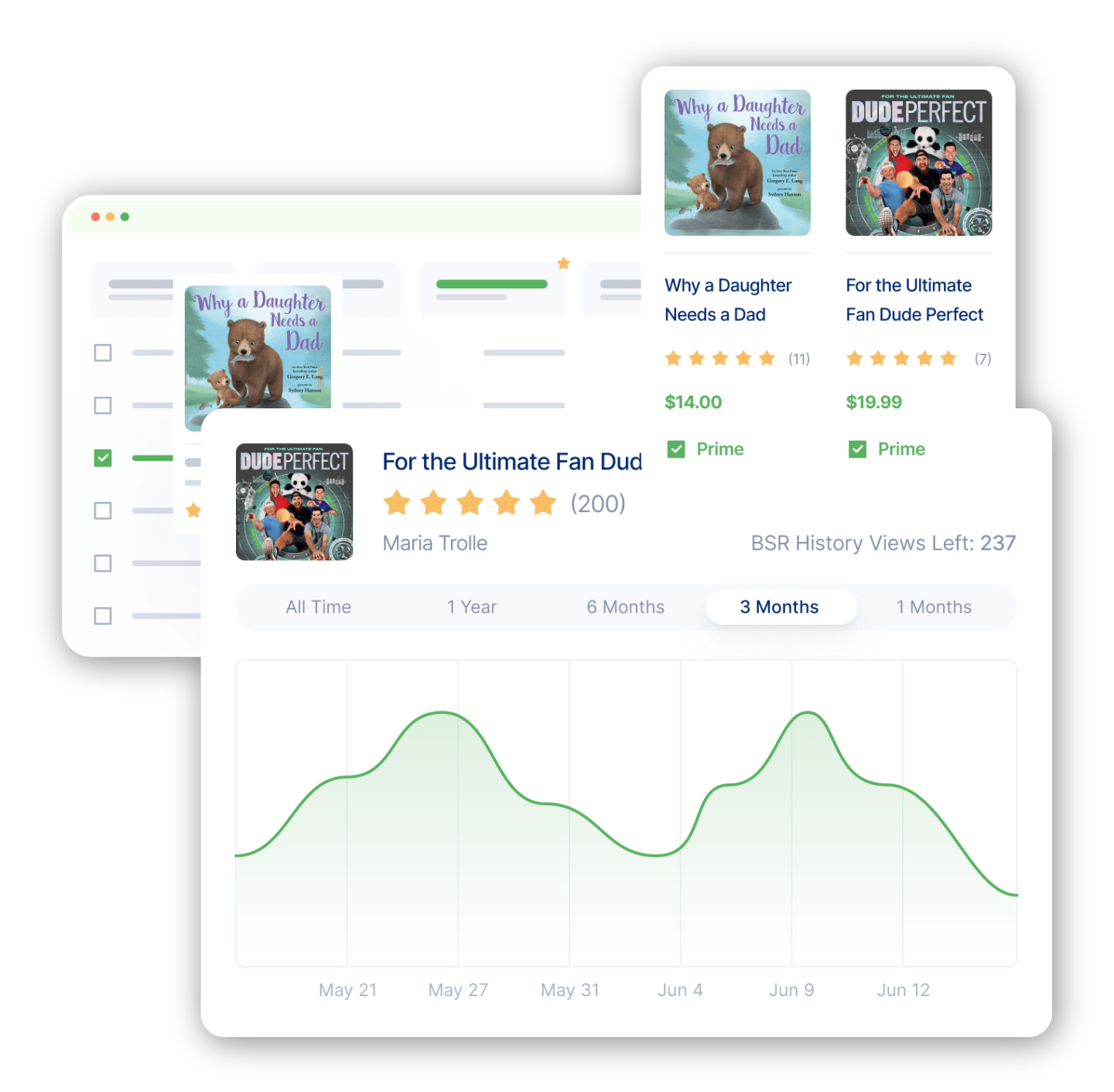
Thinking about creating your own publishing imprint but not sure where to start? This step-by-step guide demystifies the entire process, from conceptualizing your brand to managing legal details and carving out your unique place in the publishing world. Whether you’re looking to stand out as an indie author or build a lasting business in the industry, these proven strategies and actionable tips will empower you to launch your own imprint with clarity and confidence. Discover how BookBeam can streamline your research and decision-making every step of the way.
Key Highlights
- Creating a publishing imprint enhances professionalism, authority, and marketability for Amazon KDP self-publishers.
- Choosing and validating the right imprint name and logo establishes a memorable, credible publishing brand.
- Consistent use of your imprint across books, pages, and marketing materials strengthens brand recognition and trust.
- BookBeam enables data-driven niche research and publishing decisions, reducing guesswork for imprint success.
- A free, actionable checklist streamlines each step of launching and managing a professional publishing imprint.
Understanding Imprints: The Foundation of Your Publishing Journey
Launching your own publishing imprint is a milestone for any author ready to step beyond individual titles and build a recognizable publishing brand. As independent publishing and self-publishing continue to flourish, understanding what an imprint is, and how it can amplify your publishing business, is vital for success. Imprints serve as the anchor for a professional publishing identity, allowing authors to publish, market, and grow a series of books united under a unique, credible name. Before diving into the nitty-gritty of imprint self-publishing, it’s essential to grasp how book imprints play a central role for authors striving to establish a sustainable company, reposition their published works, and lay the groundwork for a thriving publishing business. In this journey, the right knowledge can mean the difference between being just another author and leading your own imprint as a publisher.
What Is an Imprint and Why It Matters for Aspiring Authors
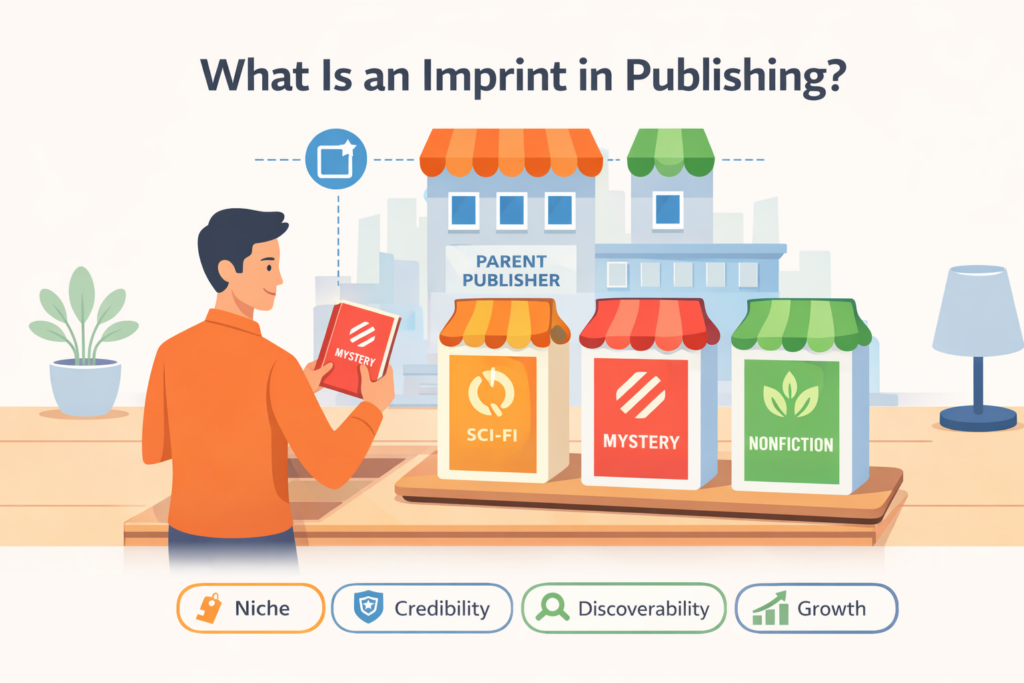
An imprint is the official trade name under which a publishing company releases books to the public. For self-publishing authors, establishing their own imprint is more than a vanity choice, it’s a strategic move that redefines their publishing journey. Unlike simply publishing as an individual, having a publishing imprint signals professionalism to readers, retailers, and partners. It’s about building trust and demonstrating that you treat your writing and publishing like a genuine business. Whether you’re releasing fiction, nonfiction, or any genre, your imprint organizes your works under a consistent brand, making it easier to grow a loyal readership and gain recognition in a competitive market.
Independent publishing has leveled the playing field, allowing anyone to create a publishing imprint without massive startup costs. Through imprint self-publishing, you’re taking control over every aspect of your book’s release: from branding your author identity to dictating the tone, style, and positioning of your published catalog. This approach opens opportunities to branch into new genres or themes under varied imprints, something traditional publishers do regularly. A dedicated imprint helps authors manage their reputation and ensures their books stand out among thousands of titles battling for attention.
Not only does an imprint elevate the perception of your publishing business, but it also fosters business-savvy thinking from the start. You’re building a company, not just working on a writing project. For serious authors with long-term ambitions, embracing the fundamentals of book imprints early lays the foundation for a sustainable and profitable publishing career. Take that first step toward professional self-publishing; set up an imprint that will become synonymous with quality and reliability in your chosen niche.
Benefits of Creating Your Own Imprint for Amazon KDP Publishers
Creating your own imprint is more than a symbolic milestone, it’s a strategic move that signals professionalism and unlocks new opportunities for Amazon KDP publishers. A personalized publishing imprint instantly elevates your author brand, shaping not only how readers see your books but also how partners and retailers perceive your publishing business. By controlling every aspect of publishing, imprint name, logo design, ISBNS, and even genre expansion, you ensure consistency and credibility across your catalog. Launching your own imprint enables you to publish under a business-like structure, fostering trust and making every release a stepping stone toward long-term success. Discover how a self-publishing imprint establishes your reputation, professionalism, and ongoing growth in today’s competitive publishing world.
How a Self-Publishing Imprint Establishes Your Brand and Professionalism
Launching your own imprint is the turning point between publishing as an amateur and operating like a publishing company. When you create a distinctive publishing imprint, it acts as your official brand for all your books, whether you’re releasing on Amazon KDP or elsewhere. Readers are far more likely to trust professionally published works, and with your self-publishing imprint, every book you publish sends a clear message: you’re serious, credible, and invested in quality. Using an imprint lets you design an appealing logo, present a cohesive identity, and organize your catalog under a unified name, which strengthens your publishing business across every platform.
A well-chosen imprint enables you to manage multiple series, explore different genres, and publish works for various audiences, all under a single business brand. You’re not just an author; you’re building a company and publishing as a professional. When your imprint appears on the book’s copyright page, spine, and online listings, it differentiates your books from those published without an imprint and reassures both retail partners and customers that you’re running a legitimate publishing operation. This professional presentation can also make your books more attractive to international markets, or to partners who require a higher standard of publishing.
Choosing to self-publish with an imprint, complete with customized ISBNS and a memorable logo, means your brand identity stays strong and recognizable with every new book you release. Your imprint is the cornerstone of your publishing business, essential for long-term growth, credibility, and expanding your authority as an author-publisher on Amazon KDP. If you’re intent on scaling, building trust, and making an impact in the publishing world, a tailored, thoughtfully designed imprint is your first, and most indispensable, step. Don’t settle for blending in. Create your own imprint and make every published book a testament to your professionalism and brand vision.
Choosing an Imprint Name That Resonates With Your Audience
Your imprint name is the first impression readers, retailers, and partners will have of your publishing business. Getting it right isn’t just a branding exercise; it shapes how your books, and by extension, you as an author, are perceived in a crowded publishing landscape. The right imprint name connects emotionally with your audience, aligns with your brand vision, and becomes the cornerstone of every book you release under your company. The process involves more than creativity: you need powerful tips to brainstorm, validate, and ultimately select a name that’s credible, memorable, and available for business registration. Let’s explore the fundamentals of making a lasting mark in publishing, starting with practical strategies for imprint name creation.
Key Tips for Brainstorming and Validating Your Imprint Name
Creating an imprint name is your opportunity to lay a strong foundation for your publishing company and business. Start by reflecting deeply on the core mission of your books, what do they represent, and who are they for? Your imprint should evoke the values and vision you want your brand, books, and authorship to convey. As you brainstorm, jot down words that reflect your unique writing style, genre focus, or the special qualities that set your company apart from others in publishing. Think long-term: an imprint name that sounds good for just one book or trend might not support growth as your business expands and your catalog diversifies.
Begin your shortlist by mixing and matching interesting, memorable words with publishing or book-related concepts. Use tips from established authors who’ve built imprints, choose a name that’s professional, distinctive, and easy to pronounce. Check that your title isn’t too similar to existing author names or popular established companies in the publishing field, which could confuse readers or create legal complications. Google your candidates and scan book retailer sites to ensure originality.
Before committing, validate your imprint name’s availability for business registration and domain names. If you plan to publish under your own brand on Amazon KDP, make sure your imprint doesn’t infringe on registered trademarks or other publishing imprints. Secure relevant domains and social media accounts now, future-proofing your business presence is key. Every step, from brainstorming to registering, should reinforce your long-term aim: to create an imprint brand that readers trust, authors respect, and the publishing industry recognizes for its quality and vision. If you want steady growth, remember: the right imprint name can make every book release and business decision more impactful, and BookBeam’s data-driven publishing insights can help you course-correct if the market shifts.
Designing an Imprint Logo That Elevates Your Publishing Imprints
A thoughtfully crafted imprint logo isn’t just decorative, it solidifies your publishing imprint’s credibility and helps transform your business vision into a recognizable brand. As you move from naming your imprint to presenting it visually, your logo becomes the calling card for both your name and your books. Great design makes your company unforgettable to readers, authors, and industry partners, while a lackluster or generic logo risks making your imprint look amateurish. A stand-out imprint logo harmonizes both fancy font styles and strategic use of other font characteristics, communicating your publishing imprint’s unique essence at a glance. Mastering these fundamentals ensures your brand’s professionalism extends from the writing itself right through to every business impression.
Visual Branding Elements Every Imprint Logo Should Include
The foundation of any outstanding imprint logo is its ability to encapsulate your publishing brand’s identity. Start with intentional font choices, whether you go for a fancy font that suggests elegance, or select other font characteristics like boldness or minimalist lines to evoke a more modern business approach. Your logo should reflect your publishing imprint’s values and the books you plan to release. Consider the personality of your company: Are you focusing on classic literature, contemporary nonfiction, children’s books, or a blend? This identity will shape every design decision, from color choices to the style of your brand mark.
Don’t overlook the importance of scalability and versatility. Your imprint logo appears on book spines, websites, marketing materials, and even in digital stores, so it must remain crisp and clear at every size. Simple, impactful images or monograms paired with carefully selected typography ensure longevity and adaptability. Reference your brand’s mission: does your design convey trust, creativity, or professionalism? Connect the visual with your business strategy to reassure both authors and readers that your imprint stands above the crowd.
The best publishing imprint logos keep readers coming back, driven by visual consistency across all services and company messaging. Choose a color palette that enhances the psychology behind your imprint name, think blues for reliability, golds for prestige, greens for fresh takes on writing. Combine these fundamentals with your chosen font, ensure alignment with existing book design conventions, and always test drafts in black and white as well as color. Invite trusted authors or book industry colleagues for input; an outside view often catches business blind spots or inconsistencies.
When you create a logo, remember it’s forever tied to every book and service your imprint delivers. This logo isn’t just graphic design, it’s your publishing imprint’s handshake to the world. Prioritize clarity, memorability, and professionalism. A strong imprint logo signals to your publishing peers that you’re building a legacy, not just uploading another title. With each launch, your logo anchors your business reputation and provides authors with confidence in partnering with your imprint, making every book you create an unmistakable part of your growing brand.
Setting Up Your Publishing Imprint on Amazon KDP: Step-by-Step Process
Establishing your own publishing imprint on Amazon KDP is a pivotal move in transitioning from a solo author to a professional publishing company. Before you dive in, complete your imprint name and logo, ensuring your new brand stands out across all books and services. Now, begin the registration process for your imprint, and a crucial step is securing your own ISBNS. Just visit your myidentifiers.com account to purchase and register ISBNS under your company. Registering these ISBNs to your imprint, not your personal name, instantly signals credibility to retailers and readers, elevating your publishing business above basic self-publishing efforts.
Once your business paperwork and ISBNS are in order, head over to your Amazon KDP account. Under the book setup and publishing setting, input your imprint name as the publisher for each new title. This move cements your brand on every book’s detail page, copyright page, and in the marketplace. Remember, each book you create further reinforces your imprint’s authority, and every title becomes a building block for your publishing company’s legacy.
To truly operate like a business, align your imprint details, name, logo, ISBNS, and publishing information, across KDP, your author website, and all related company registrations. This level of consistency ensures your branding, author credibility, and company services remain strong and unmistakable. Aspiring self-publishers who are ready to turn their writing into a real imprint should focus on both creative vision and smart business fundamentals. Take the leap: create and register your imprint, launch your books with authority, and join the ranks of publishing professionals making data-driven decisions for lasting success.
How to Use BookBeam to Guide Your Niche Selection and Book Market Research
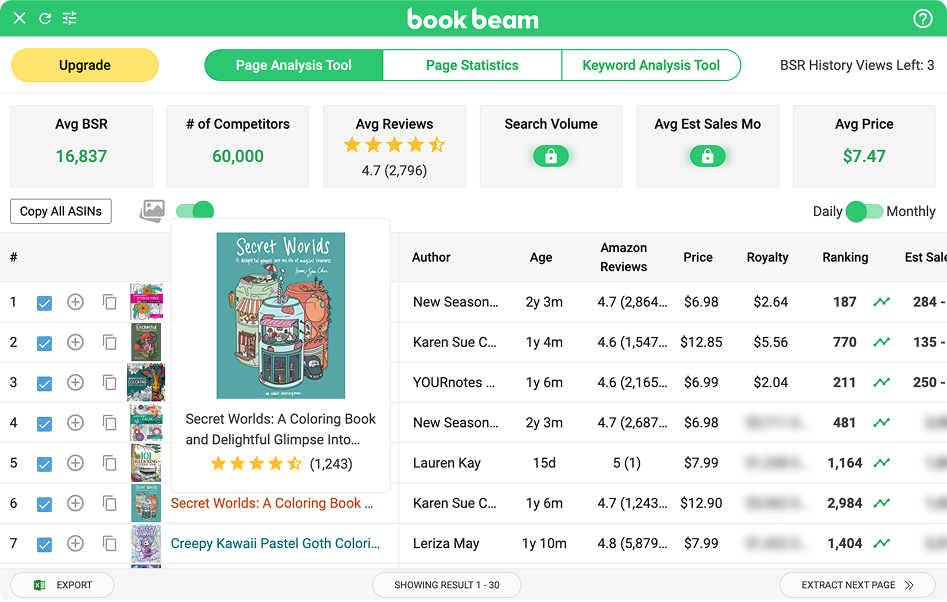
When you’re determined to create a successful publishing imprint that stands out in today’s crowded market, your first step shouldn’t be guesswork , it should be data. BookBeam is an indispensable ally for authors and publishers aiming to eliminate uncertainty and set a rock-solid foundation for every new book. With BookBeam, you can perform in-depth market research to uncover profitable niches, analyze what types of books readers are currently seeking, and identify opportunities that perfectly fit your brand and company vision.
Start by using BookBeam’s niche analytics tools, which allow you to explore book categories with real potential. This platform enables you to compare demand across genres, see historical trends, and avoid oversaturated markets, saving your publishing business months of trial and error. As you browse, don’t just focus on what’s trending now; dig deeper into subcategories and niches where your imprint can authentically shine and grow its authority. For every book idea you’re considering, BookBeam lets you validate demand, analyze competitor companies, and benchmark top-performing books , invaluable insights before you commit to writing or publishing.
BookBeam isn’t just about finding a niche; it also supports you in tracking authors, evaluating cover designs, optimizing keywords, and refining your publishing strategy for every new release. This holistic approach ensures each book you create aligns with reader demand and strengthens your imprint’s brand with every launch. Data-backed publishing decisions mean you won’t waste resources on unproven ideas. Ready to future-proof your company? Take advantage of BookBeam to clarify your publishing roadmap and transform your imprint into a recognized, trusted name in the book world.
Incorporating Your Publishing Imprint Into Every Book Release
Integrating your publishing imprint into every book you release is at the heart of building a trusted publishing company. In practical terms, your imprint should appear consistently on your books’ title pages, copyright pages, spines, and marketing materials. This reinforces the professional identity you’ve established through careful naming, logo design, and strategic branding discussed earlier. Treat each published book as both a standalone product and an ambassador for your imprint, whether you’re a single author or plan to work with multiple authors under a growing portfolio of publishing imprints.
Begin by ensuring your imprint name and logo are embedded into all physical and digital editions. On Amazon KDP and other platforms, list your imprint as the publisher for every new title released, connecting each book back to your officially registered publishing company. This not only professionalizes your catalog but also helps retailers, partners, and readers instantly recognize your brand. Consider the power of repetition: the more often buyers see your imprint across various books, the more it solidifies your authority and signals that you’re operating beyond one-off self-publishing projects.
When launching a new book, leverage your imprint for cross-promotion, using “published by” credits on book covers and across your website, email newsletters, and social channels. Encourage other authors within your imprint, or even those seeking reputable publishing partners, to proudly associate their books with your brand. By aligning every aspect of your book launches with your self-publishing imprint (from launch announcements to post-purchase communication), you’re laying a scalable foundation for long-term business success. Stay data driven with tools like BookBeam to guide every publishing decision, ensuring your imprint and books stand out in a dynamic, competitive market. Every step you take now is a strategic investment that will help elevate your published works, and your imprint, for years to come.
Tips for Growing Authority and Trust With Your Own Imprint
Establishing real authority and trust for your own imprint goes beyond having a professional name and logo, it’s about consistently demonstrating expertise, reliability, and meaningful value in publishing. First, put your company’s standards front and center. Consistency is crucial: your publishing imprint’s voice, visual identity, and editorial policies should align across all published works. This means clearly defining what your brand stands for, holding every author and title to the same high standards, and only publishing books that genuinely reflect the quality your audience expects. An imprint should never feel random or disjointed; instead, ensure every release reinforces the cohesive identity you’ve worked to create.
Transparency breeds trust. Make it clear who’s behind your imprint, whether you’re a solo author, a collaborative publishing company, or a team of passionate professionals. Share your mission, experience, and vision on your website and social channels. Publishing behind a nameless entity won’t foster lasting relationships. When readers, prospective authors, or business partners see a real, passionate company supporting every title, your imprint earns credibility much faster. Highlight key business milestones, honest author testimonials, and even challenges overcome. People want to publish, and buy, from brands they believe in.
Offer valuable tips and resources that support both aspiring authors and experienced writers within your publishing ecosystem. Free guides, webinars, or behind-the-scenes glimpses of your imprint’s process not only position your business as an authority but also build goodwill in the publishing world. If you want to increase trust, treat every author you publish as a partner, not just a customer. Be visibly supportive: celebrate their wins, showcase their books, and encourage cross-promotion. When your imprint’s name consistently appears on quality titles, and you help authors truly grow, your brand’s reputation will snowball.
Always make decisions with data to reinforce your imprint’s long-term authority. Use analytics tools like BookBeam to monitor trends, validate book concepts, and optimize your publishing pipeline. This commitment to smart publishing, grounded in research, not guesswork, shows you’re dedicated to sustainable business growth, not just quick wins. Ready to create an imprint that commands respect? Start with these fundamentals, model transparency, and consistently put your company’s brand and publishing standards into practice. Build a legacy that authors and readers trust, book by book, tip by tip, imprint by imprint.
Download Your Free Checklist: Launching a Professional Publishing Imprint
Launching a successful publishing imprint requires more than passion, it demands structure, consistency, and a keen understanding of how professional publishers set themselves apart. That’s why this comprehensive checklist is designed to ensure your imprint stands out as a legitimate company prepared for long-term business success. Whether you’re creating your very first book or scaling an established publishing imprint, this resource distills every essential step, from securing ISBNS and business registration to establishing your imprint’s name and visual identity, all while keeping your publishing operations professional and efficient.
Aspiring publishers often underestimate just how many details are involved in building a reputable imprint. This checklist walks you through each action item: choosing and validating your imprint name, registering your company, designing a business-ready logo, acquiring ISBNS under your imprint, and systematizing how your books are branded, published, and marketed. It also highlights must-have services, like editorial and cover design, to help ensure every book reflects the high standards of your publishing business.
Ready to eliminate the guesswork from launching your own publishing imprint? Download this actionable checklist today and gain clarity on each phase of the process. Every step you complete moves your imprint further from hobbyist publishing and closer to the professional league. Don’t just publish, build a publishing company that readers, retailers, and partners instantly recognize for its quality. Get your checklist now and start creating a business and brand that unlocks new possibilities for your books and publishing services.
Launching your own publishing imprint is more than a business decision, it’s an investment in your creative future. With the right research, strategic branding, and powerful tools like BookBeam, you can make confident, data-driven choices that ensure your imprint stands out in a competitive market. Whether you’re publishing your first title or planning a robust catalog, remember that every successful publishing journey starts with informed action. Ready to shape your publishing legacy? Take the next step and let BookBeam guide your imprint to lasting success, because the best time to claim your place is now.