Understanding the publishing landscape starts with recognizing the powerhouse imprints that shape the books we read. Imprints are specialized brands within larger publishing companies, each with its unique focus, legacy, and audience. Whether you’re an aspiring author, a self-publisher, or simply fascinated by the book industry, knowing the difference between imprints can inform your publishing strategy and help target the right audience. This guide explores famous examples of publishing imprints, what sets them apart, and how they influence the world of books, offering practical insights for your publishing journey .
Key Highlights
- Major publishing imprints set market trends and shape book success through strategic branding and targeted genre segmentation.
- Data-driven tools like BookBeam empower KDP publishers to identify profitable niches and validate book ideas before investing resources.
- Legendary houses like Random House and Penguin Random excel by building diverse, audience-focused imprints backed by analytics and clear brand promises.
- Bloomsbury’s agile, niche-focused imprint strategy proves that smaller publishers can disrupt markets and launch international bestsellers.
- Children’s book imprints from Disney and HarperCollins show the power of branded, age-specific publishing for reader engagement and recurring sales.
Understanding Publishing Houses and Their Influence on Book Success
Behind every bestselling book is a strategic partner: the publishing house and its network of imprints. These entities are the engines powering the global book industry, curating content across diverse genres and nurturing authors’ careers. Not only do publishing houses provide essential editorial, marketing, and distribution support, but their imprints are pivotal in establishing a book’s identity and capturing the attention of distinct readerships. For Amazon KDP publishers aiming to break into crowded markets and build long-term publishing success, understanding how notables like Random House, Penguin, and Bloomsbury deploy their imprints for market dominance offers practical lessons. Let’s dive into the dynamics between publishing, houses, ambitious authors, and the ever-changing market.
How Major Imprints Shape Market Trends for Amazon KDP Publishers
If you’re publishing on Amazon, you’re competing in a marketplace shaped by longstanding publishing houses and the strategies behind their most notable imprints. Understanding how these big players influence market trends isn’t just for industry insiders, it’s a shortcut to smarter decision-making for independent KDP publishers who want to carve out their share of the market. What’s frequently underestimated is the sheer power that publishing houses wield: their imprints act as beacons for both authors and readers, providing clarity and trust in an ocean of options.
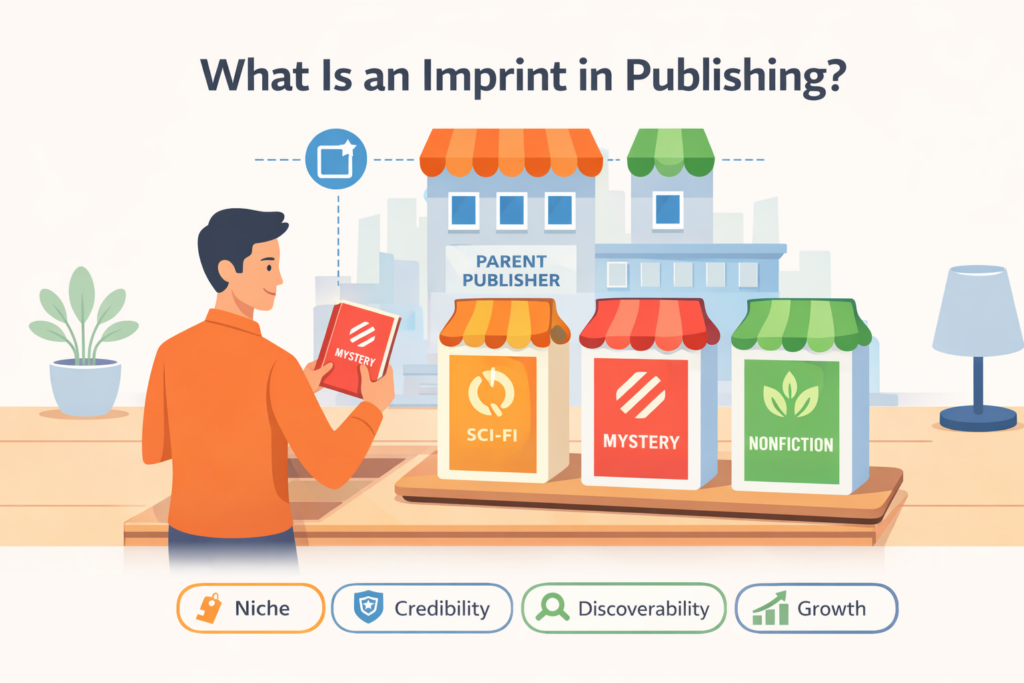
Imprints, essentially branded sub-divisions within a publishing house, are meticulously crafted to speak directly to specific audiences. Take, for example, the way a big house might use one imprint for gripping genre fiction and another for groundbreaking nonfiction. Each imprint becomes synonymous with a promise, whether that’s literary innovation, commercial hits, or niche expertise, giving authors targeted support and giving readers a curated selection aligned with their tastes. As an Amazon publisher, paying attention to these divisions can unlock actionable insight into what genres are driving demand and where there’s room for new voices or themes.
These imprints also serve another critical function: shaping buying behavior through clear genre segmentation. When a publishing house launches a new imprint focused on a trending subject, think contemporary romance or fast-paced thrillers, it signals confidence to booksellers and readers that the market is hungry for more of that content. If you’re attentive, you’ll notice ripples across Amazon as these trends spur a surge in similar indie titles. By monitoring how publishing houses and their notable imprints introduce and promote breakout genres, you can validate your book ideas before investing months in a manuscript or a product launch.
Moreover, big industry players like Random House, Penguin, or HarperCollins have dedicated marketing teams pushing their imprints to the top of bestseller lists. These houses set trends that reverberate down to Amazon algorithms, often influencing what gets surfaced in search results and recommendations. Authors backed by such houses benefit from greater discoverability and trust, a reality that independent publishers on Amazon can learn from by optimizing their own metadata, sharpening their brand, and aligning covers or blurbs with what’s proven effective for these famous imprints.
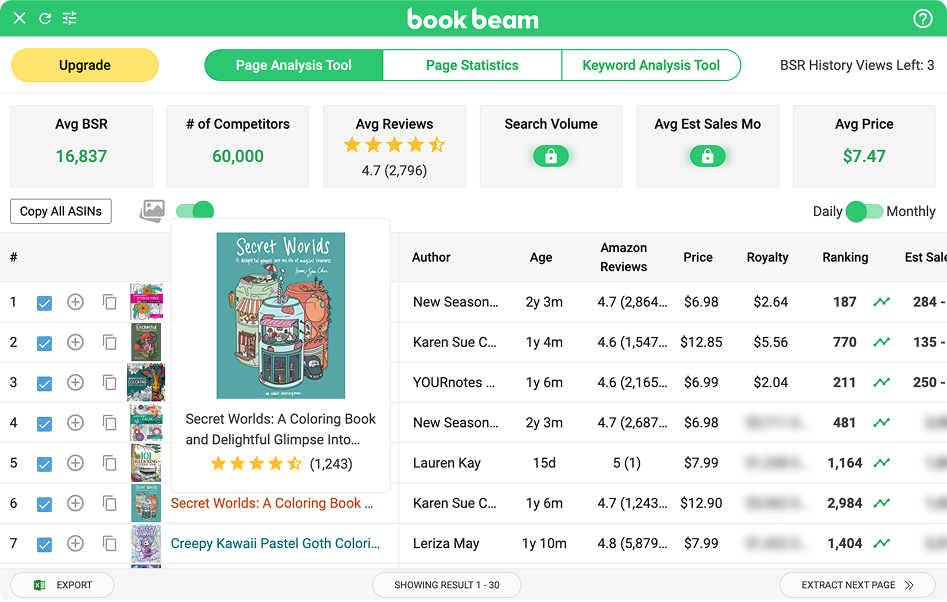
Another critical insight is the way traditional imprints leverage data. Publishing houses are no longer making decisions on gut instinct alone: they’re diving into market analytics to identify new opportunities across both fiction and nonfiction. This is precisely where tools like BookBeam become essential for KDP publishers. With BookBeam, you can harness the same kind of data-driven validation enjoyed by top houses, spotting rising trends, sizing up competitors, and assessing real-time demand. Instead of guessing which genres or formats have traction, you use market intelligence to position your publishing venture alongside, or slightly ahead of, big-name imprints.
Let’s not forget the power of social proof. Books released under a prestigious house’s imprint often enjoy instant authority, making it easier for authors to secure reviews and attract a loyal audience. While indie publishers can’t borrow brand equity in the same way, they absolutely can learn from the precision with which major imprints curate their lists and build anticipation for upcoming releases. It all boils down to thoughtful research, clear branding, and relentless focus on reader needs, strategies any Amazon publisher can deploy, regardless of size.
To sum up, imprints are more than just a curiosity of the publishing industry, they’re active players shaping what readers buy, what authors write, and what genres dominate the market. Use your competition as a compass, not a crutch: analyze which notable imprints are making waves, understand their positioning, and adopt best practices into your own Amazon KDP business. Don’t hesitate to lean on robust tools like BookBeam to replicate the smart, data-driven processes of the publishing giants. The path to publishing success is open to those who don’t just follow trends, but understand, and anticipate, them.
The Legacy of Random House: An Iconic Example of Notable Imprints
Few names resonate in the world of publishing quite like Random House. Founded in 1927, this powerhouse has shaped literary culture for nearly a century, steadily expanding its reach through a constellation of notable imprints. As publishing evolved, Random House didn’t just keep pace, it often set the standard for how a publishing house should operate, diversify, and thrive in both fiction and nonfiction domains. Exploring its legacy uncovers actionable lessons for independent Amazon KDP publishers, especially those striving to create their own standout imprints, adapt to market demands, and earn the trust of discerning authors and readers alike. Understanding how Random House leverages its vast portfolio of imprints offers a roadmap for building a sustainable publishing business rooted in market insight and reader engagement.
Lessons Self Publishers Can Learn from Random House’s Market Strategy
When you study Random House, you’re looking at more than just a celebrated publishing house. You’re dissecting decades of precision in how imprints are built, nurtured, and deployed to capture, then dominate, distinct market segments. One of the main things that sets Random House apart from other houses is its relentless commitment to cultivating imprints that feel truly independent, each with its own editorial mission and audience. This approach allows Random House to feature an immense range of genres, from literary fiction and commercial thrillers to practical nonfiction, without ever diluting the specific brand promise of any single imprint.
Why does this matter for KDP publishers? Because niche clarity and targeted branding are non-negotiables if you want to break through the noise. By developing specialized imprints, Random House ensures that every genre and book style gets its own champion, a strategy you can emulate even as an independent publisher. For example, consider splitting your books under different brands or “mini-imprints”: one focused on instructional nonfiction, another for cozy mysteries, and one for emerging genres. Readers searching Amazon crave clearly defined choices that signal both expertise and reliability. By analyzing the genres and audiences that Random House’s imprints serve so effectively, you can clarify your own publishing offers and help prospective readers self-select into your lists.
Random House uses market data, not guesswork, to drive decisions about which genres and types of books to acquire or promote. This level of analytical rigor is crucial for modern publishers, whether you’re a big house or a one-person operation. With tools like BookBeam, you can research bestselling categories, validate reader demand, and track competitor performance, as Random House does with its own imprints, long before investing resources into writing or marketing a new book. Equipping yourself with real-time market intelligence minimizes risk and boosts the odds your publishing venture will find traction, even amidst tight competition from other imprints, whether big or small.
Another key lesson is Random House’s ability to nurture and retain top-tier authors across its imprints. The company’s reputation gives it the leverage to sign both established names and promising new voices, which in turn attracts a loyal, engaged readership. As an indie publisher, you can incorporate elements of this approach by cultivating long-term relationships with your authors, whether you’re collaborating with ghostwriters, series writers, or expert contributors. Offer transparent royalty terms, timely marketing updates, and inclusion in your own branded initiatives to provide stability and growth potential. When authors perceive your imprint, however small, as a reliable platform, they’ll keep returning, and they’ll help you draw in new talent.
Strategic experimentation is another Random House hallmark. They’ve never shied away from launching new imprints when they spot a cultural or commercial opportunity, whether that’s a shift in society’s appetite for particular genres or the rise of new nonfiction formats. For KDP publishers, this means staying nimble; don’t get stuck in only one genre or sub-niche. If your market research (powered by tools like BookBeam) points towards untapped nonfiction, breakout fiction genres, or hybrid formats, consider testing new imprints or publishing lines. Keep your branding clear but let your publishing house’s reach adapt to evolving market tastes, mirroring Random House’s expansive but focused strategy.
Finally, Random House knows the value of using its imprints to build reader loyalty and trust. Each imprint stands for something, literary excellence, commercial entertainment, practical wisdom, and because readers associate those values with the imprint itself, books sold under each brand see improved credibility from launch. As an Amazon KDP publisher, you should strive for the same effect. Build your mini-imprints into brands readers recognize and trust. Leverage consistent cover styles, engaging series, and thoughtful blurbs, and spotlight successful books and testimonials. Invite readers to sign up for imprint-specific newsletters or participate in themed communities. The goal isn’t to mimic Random House at scale, but to internalize their attention to brand-building fundamentals, which, when paired with data-driven publishing decisions, is the key to lasting success.
Pioneering Brands: Inspiration from Penguin Random and Their Distinctive Imprints
Penguin Random and its constellation of celebrated imprints have long set the gold standard for publishing innovation, diversity, and genre leadership. By examining how Penguin Random structures its vast portfolio, balancing both big audience appeal and laser-focused niche branding, any publisher, from an independent KDP entrepreneur to an established house, can learn practical lessons about market positioning and reader engagement. The remarkable legacy of both Penguin and its strategic imprints signals how data-backed decision-making, genre diversification, and bold experimentation can drive sustained success. Learning from these big publishers can equip you to identify profitable opportunities and build your own imprint identity in a competitive landscape.
Using Data to Identify Profitable Niche Opportunities Like Big Book Publishers
Penguin Random’s story is not just a testament to the power of literary influence; it’s a masterclass for aspiring and established publishers on the critical role of data in building profitable publishing ventures. The brand’s enduring dominance is built on an agile publishing house structure, featuring a rich array of notable imprints, each conceived to target specific reader segments across genres as diverse as commercial fiction, literary classics, and specialized nonfiction. Penguin and its imprints never operate on guesswork; instead, they leverage market analytics to discover where the next reader demand spike is hiding. This powerful combination of tradition and analytics-driven agility is what sets the most notable imprints apart in an industry where every niche counts.
If you’re an independent publisher or an Amazon KDP author, take inspiration from Penguin Random’s process. The first step is tracking macro and micro-level data on how genres are performing across marketplace platforms. Penguin’s house-wide adoption of analytics spans not only traditional sales channels but also real-time consumer behavior on digital storefronts. Their imprints don’t just follow existing trends, they anticipate them. That’s a crucial advantage you can emulate by monitoring bestseller lists, category shifts, and key competitive titles in real time using tools like BookBeam. By drilling deep into this data, you’ll uncover where reader attention is cresting, which niches are underserved, and what themes are poised for breakout growth.
The sheer breadth of Penguin Random’s genre coverage, spanning everything from blockbuster fiction to cutting-edge nonfiction, results from calculated risk-taking, always guided by robust analytics. Their house actively reviews evolving audience profiles and purchasing behaviors, then launches or repositions imprints to maximize reach and profitability. For example, when a particular flavor of historical fiction begins trending, Penguin can quickly align an imprint’s list to capture that market, often before competitor houses or independent publishers even spot the opportunity. The key takeaway: profitable niche publishing relies on understanding, not guessing, what your potential readers are already searching for.
For indie publishers, this is where smart, real-time market research tools enable you to play at the level of the big book publishers. With BookBeam, you can research Amazon’s data on profitable genres, monitor your competitors’ rising stars, and validate your book ideas with evidence rather than assumptions. Just as Penguin and its imprints use data to decide the next big nonfiction or fiction launch, you can test niche viability before investing thousands of dollars or countless hours in production. Prioritize genres where reader numbers are growing, but competition is still manageable. This way, your mini-imprint or standalone brand enjoys better odds of gaining momentum, even if you’re not backed by a massive house.
Furthermore, the way Penguin Random segments their imprint catalog is instructive: each imprint becomes a beacon for a specific audience, whether it’s commercial thrillers, literary masterpieces, or practical nonfiction guides. By faithfully curating sub-brands that consistently deliver on their promise, the house creates clarity in the marketplace. Readers know exactly what to expect from every imprint, this builds anticipation and loyalty. As a KDP publisher, replicate this approach by categorizing your catalog intentionally, developing focused audiences, and using genre-specific branding that reflects proven reader preferences. With enough data, you’ll know when to branch out, perhaps splitting your business into independent imprints focusing on different genres, much like the major publishers.
It’s also important to recognize how Penguin Random’s data strategy isn’t reserved for big launches alone. Even for midlist books and experimental titles, their imprints test covers, blurbs, pricing, and keywords, adapting on the fly to reader feedback and sales performance. As an aspiring publisher, don’t underestimate the impact of iterative data analysis. Consistently track your own book’s keywords, conversion rates, and subcategory rankings. Adjust your publishing plan based on what the numbers tell you, just as a major house would. In today’s competitive landscape, combining instinct with data is what separates profitable publishing from mere hope.
Ultimately, learning from Penguin Random and their imprints means understanding how big publishers transform raw data into successful, targeted brands. Use their blueprint: analyze genres, validate demand, refine your imprint identity, and keep experimenting with new niches. Whether you’re running a house of one or building an empire, the smart use of data, mirroring these publishing giants, is your path to reliably profitable books. BookBeam’s market research platform is your shortcut to this high-level insight; use it to strategize, adapt, and ensure every book launch has the backing of solid evidence, not just wishful thinking. This blend of fundamentals and cutting-edge analytics is the lifeblood of sustainable publishing success in the age of big imprints and increasingly discerning readers.
Bloomsbury Publishing and Its Role in Launching Bestsellers
Bloomsbury Publishing is more than just a familiar name among publishing houses, its bold strategy for spotting talent and transforming genres has repeatedly redefined what publishers think possible. Known worldwide for its pivotal role in launching bestsellers that become cultural touchstones, Bloomsbury’s curation, across both fiction and nonfiction, continues to revolutionize how notable imprints approach growth and risk. With specialized imprints targeting distinct niches and authors, Bloomsbury demonstrates how a house outside the traditional “big five” can punch above its weight. For those building independent publishing ventures, Bloomsbury’s techniques offer a playbook packed with actionable insights for finding promising markets, curating successful lists, and validating book ideas in the competitive publishing world.
Finding Hidden Niches by Analyzing Bloomsbury’s Approach to New Markets
One fundamental advantage of studying Bloomsbury Publishing is seeing first-hand how an agile publishing house with carefully crafted imprints can disrupt established genres and define entirely new niches. While many big publishers gravitate toward well-trodden paths, Bloomsbury has made its mark as an independent publisher with a knack for recognizing overlooked spaces, sometimes years ahead of the broader market. This “niche-first” mentality is a pivotal lesson for anyone seeking to create sustainable success as a KDP author or independent publisher. Let’s break down the strategy and draw clear parallels between Bloomsbury’s methods and what you can implement with tools like BookBeam.
To start, look at Bloomsbury’s diverse stable of imprints. What sets these apart is their willingness to experiment: nurturing literary fiction while exploring academic, young adult, and specialist nonfiction areas. This isn’t random expansion, it’s purposeful, data-informed research into where reader demand isn’t yet saturated. For Bloomsbury, the runaway global success of titles like Harry Potter wasn’t just luck; it was the product of listening to market signals others ignored and using their imprints as vehicles to reach underserved readers. They didn’t just publish another fantasy, they carved out a fresh space that blended genres and connected with an untapped audience.
If you’re in publishing, this blueprint matters. Instead of guessing which genres or topics will sell, leverage real market data to identify trends before they become obvious. BookBeam makes this kind of research accessible for all publishers, allowing you to uncover where reader appetite overlaps with low competition. Just as Bloomsbury’s notable imprints specialize in both the popular and the esoteric, you can use analytics to pinpoint subgenres or hybrid categories (think “magical realism for teens” or “practical business guides for creatives”) overlooked by the bigger houses. These micro-niches can transform a small publisher into a serious contender in the market.
Bloomsbury’s approach also underscores the value of imprints as flexible brands. Each imprint in their house is tailored for a specific audience, some focus on literary credibility, others on commercial appeal or narrow academic niches. This segmentation lets them test the waters with new genres, gauge reader response, and quickly adapt if the market shows promise. For self-publishers or small houses, adopting this logic pays dividends. Don’t frame your publishing as a single generic brand, break it into focused imprints, each targeting a passionate, well-defined market. This not only strengthens your catalog’s identity but helps you position books for bestseller status in their respective categories.
Bloomsbury’s success also highlights the importance of author relationships. They attract and nurture authors willing to experiment, then use their imprints to amplify these voices within and across genres. If you’re working independently, you can build similar loyalty by scouting for fresh voices in niche spaces, writers with a unique angle on fiction or expertise in an emerging nonfiction field. Offer these authors strong branding, niche-focused marketing, and the data-backed assurance that you’re investing effort where real reader demand lies. This is precisely how independent publishers can build a stable of talent that stands out from the competition.
Moreover, Bloomsbury doesn’t stop at identifying the right genres, they double down on curation, savvy marketing, and cross-pollination between imprints to maximize the reach of their bestsellers. Once they spot a promising niche, they use targeted campaigns, smart metadata, and even cover design borrowed from different imprints to ensure visibility and sales. By blending data-driven research with creative risk-taking, Bloomsbury proves that even a house outside the “big” circle can repeatedly launch titles to the top of the bestseller lists.
What does this mean for an Amazon KDP publisher? Ultimately, you’re not just fighting for shelf space, you’re fighting for attention in a digital marketplace drowning in publishing noise. To succeed, adopt Bloomsbury’s fundamental approach: treat imprints as agile, data-powered brands; focus on underserved niches discovered through robust publishing research; and build loyal author relationships. Use BookBeam’s analytics as your competitive edge, making each market foray a calculated move, not a guess. Identify where big publishers and notable imprints are blind, and build your publishing business with the intent and curiosity that turned Bloomsbury into a launchpad for modern bestsellers. The fundamentals don’t lie: in publishing, the best work goes to those bold enough to find, and own, the hidden niches before everyone else does.
Exploring Disney Publishing, Harpercollins, and the Rise of Children’s Book Imprints
As the publishing landscape has evolved, one category has witnessed especially dynamic growth: children’s book imprints. Major book publishers like Disney Publishing and Harpercollins have led the charge, shaping how children’s literature is produced, marketed, and consumed by young readers across generations. Their meticulously branded imprints don’t just fill bookshelves, they set cultural trends, inspire educational change, and build lifelong connections with families. If you’re seeking the next profitable niche as a KDP self-publisher, understanding how these giants operate, and how they revolutionize the children’s and fiction markets, equips you with tools to compete with confidence, not just hope.
First, let’s take a closer look at Disney Publishing’s influence. Renowned for its ability to create stories that capture the imaginations of children worldwide, Disney Publishing has developed an ecosystem of imprints dedicated to delighting young readers at every stage. By leveraging beloved franchises and timeless themes, Disney Publishing ensures its books remain evergreen, feeding not only print shelves but digital storefronts as well. Each imprint under the Disney umbrella is calibrated for maximum resonance, with everything from board books for toddlers to dynamic fiction series for older children. This model teaches aspiring publishers the importance of clear target audiences and the power of recognizable, trusted branding when it comes to reaching parents and children alike.
Turning to Harpercollins, this house stands out as a titan among book publishers, with decades of innovation in both fiction and children’s books. The harper collins approach to imprints is uniquely data-driven and genre-savvy. Imprints specializing in children and young readers are not only the creative heart but also the commercial backbone of the company. For instance, imprints such as HarperCollins Children’s Books and Greenwillow Books cultivate distinct identities focused on empowering, educating, and delighting children. These brands offer both global bestsellers and space for debut voices, blending established IP like “The Chronicles of Narnia” with modern hits that resonate with contemporary children and parents. By consistently bridging popular fiction, classic tales, and accessible educational content, Harpercollins ensures every new release is positioned with both reader appeal and market data in mind.
The meteoric rise of dedicated children’s imprints underpins a broader trend. Book publishers are no longer treating books for children or young readers as a side business; instead, they build entire imprint ecosystems around their needs. Why? Children’s books often benefit from strong word-of-mouth marketing, school adoption, and repeated purchases driven by both parents and eager children. Savvy publishers segment these audiences, early readers, middle grade fiction, YA, using imprints tailored for each developmental stage and reader interest. This is where real opportunity exists for independent publishers using platforms like BookBeam: by analyzing how Harpercollins and Disney Publishing succeed with branded imprints, you can validate new ideas, identify untapped audience segments, and model your publishing strategy on proven fundamentals.
Take a lesson from these giants: genre clarity, data-backed validation, and niche-focused imprints aren’t reserved only for the “big five.” With platforms like BookBeam, you can research what’s trending in the children’s and young readers’ markets, identify which sub-genres or fiction categories haven’t yet been saturated, and position your titles for success. Consider launching focused imprints, even under your own publishing brand, that address specific age groups, topics, or educational needs. The key is to create a clear promise to your young audience and their caregivers, much like Harpercollins and Disney do with every imprint launch.
Don’t be intimidated by the scale of these major publishers. Their strategies are built on fundamentals anyone can replicate: know your audience, back your decisions with market data, and build brands (imprints) that parents and children trust. If you’re ready to discover your own niche, use BookBeam’s analytics to research competing children’s imprints on Amazon, study bestselling covers and blurbs, validate your book ideas, and plan your move with the same tools as the giants. In the end, the path to profitable publishing in the children’s market is wide open for those willing to dig deep into the research and learn from industry leaders. Start today, let data and clarity guide your next children’s imprint for real, sustainable results.
Understanding the landscape of publishing companies and their renowned imprints empowers authors to make strategic choices when seeking publication. Whether you’re inspired by literary icons or entrepreneurial upstarts, knowing which imprints match your genre and audience opens doors to greater publishing success. Keep this guide handy as you research submission opportunities or develop your self-publishing strategy. For more actionable tips on navigating the world of publishing, or to discover data-driven ways to find your perfect niche, download our free BookBeam guide and take your publishing journey to the next level.