Building a thriving reader mailing list is one of the most valuable assets for any author aiming to grow long-term success. Whether you’re just starting out or looking to scale your outreach, capturing subscribers who genuinely care about your stories unlocks direct communication, loyal readership, and consistent book sales. In this guide, we’ll break down the essential steps and actionable strategies to help you attract, engage, and nurture your newsletter audience, maximizing your impact as an independent author. Get ready to turn casual browsers into dedicated fans with every email you send.
Key Highlights
- Building a targeted reader mailing list boosts direct book sales and nurtures loyal, long-term fans for Amazon KDP authors.
- Choosing the right mailing list provider with robust automation, analytics, and support is vital for scalable, efficient list management.
- Strategic placement and design of sign-up forms on your website significantly increase newsletter subscriber conversions.
- Genre-specific, high-value reader magnets and testing with BookBeam analytics rapidly drive quality email sign-ups.
- Consistent, engaging email content fosters community, loyalty, and ongoing subscriber engagement vital to sustainable author success.
Why Every Amazon KDP Author Needs a Targeted Reader Mailing List
If you want to build a sustainable career as an author on Amazon KDP, few tools are as powerful as a focused, well-managed mailing list. Instead of relying only on fleeting bursts of sales or unpredictable algorithms, successful authors use mailing lists to nurture direct relationships with readers who are genuinely interested in their books. By building a targeted mailing list, authors unlock insights into their most loyal audience segments and gain the ability to communicate directly, increase book sales, and test market demand within specific niches. This strategic approach creates a stable foundation for long-term success and continuous growth.
Building Long-Term Book Sales with Niche Audience Insights
At the core of reliable, recurring book sales for authors is a mailing list filled with the right readers, those who are passionate about their niche and eager for more content. This isn’t just about capturing names for the sake of numbers; it’s about aligning the interests of your audience with the books you create. Authors who truly understand their niche readers’ preferences position themselves to deliver books that resonate, attract genuine reviews, and drive ongoing engagement. Think back to the power of direct communication: when you own your mailing list, you’re not beholden to shifting platform rules or ever-changing algorithms. You have an established, accessible asset to promote new book releases, exclusive bonus content, and cross-promotions with other authors in your genre.
Many authors chase a volume game, equating bigger lists with bigger sales. The reality, though, is that quality beats sheer quantity. A mailing list composed of dedicated readers ensures higher open and click rates, driving stronger initial sales surges upon each release. This “launch momentum” can tip the scales in your favor, sparking higher rankings and even cascading visibility on Amazon. Consistent engagement with your mailing means you’re not starting from zero each time you publish; you’re nurturing a core group of fans ready to support your next venture.
Authors also benefit from rich data gathered through their mailing efforts. When you segment your list by reader preferences or past purchase behaviors, you gain subtle yet invaluable feedback about which books or topics excite your audience most. This insight reduces risk: you’re not operating on guesswork or intuition alone. Instead, you can track which book ideas generate the most clicks, downloads, or engagement, even before release day. Over time, this iterative loop sharpens your market research, allowing you to create books that align with real reader demand.
A common stumbling block for new authors is the temptation to cast the net too wide, hoping to attract all types of readers. The smarter approach is to define your target niche at the outset. Are your books thrillers for young professionals? Cozy mysteries for retirees? Journals for creative entrepreneurs? The more tightly you define your audience, the more effective your mailing communications and promotions become. Mailing list segmentation lets authors personalize recommendations, announce offers tailored for specific books or themes, and invite interaction through surveys or early reviewer programs, deepening community bonds and boosting future sales.
Another critical point: mailing gives authors an enduring asset independent of any single marketplace. Sales platforms can change policies, restrict reach, or even remove books from time to time. But your mailing list is your intellectual property. When you control this direct link to readers, shifting market circumstances can’t erode your ability to sell new books or revive older titles. Savvy authors use this channel to cross-promote catalog titles, offer holiday deals, or run limited edition campaigns that keep sales cycles active year-round.
Mailing lists are more than a marketing tool; they’re a research engine as well. Engagement rates, replies, and click-throughs provide authors with deep insights into their readers’ evolving interests, making each new book release more data-driven and targeted than the last. This responsive approach is at the heart of every thriving author business built for the long haul. Imagine reviewing your own mailing metrics and realizing exactly which books ignite excitement so you can double down, instead of guessing and hoping for the best.
A call to action for authors: Stop treating your mailing list as an afterthought. Start seeing it as the key to unlocking consistent sales, loyal readers, and a sharper understanding of your perfect niche. Focus your next steps on gathering readers who genuinely love your books and want to hear from you often. Are you ready to grow beyond sporadic Amazon sales and start building a sustainable author business? Take control of your audience and let your mailing strategy open new doors for you and your books.
How to Choose the Right Mailing List Provider for Self Publishers
Selecting the right mailing list provider is a pivotal decision for authors who want to maximize their audience reach and streamline their marketing. Making the best choice early allows you to manage campaigns, organize your list, and plan future promotions with minimal friction. The features and flexibility of your service can make the difference between a stagnant subscriber list and a growing, engaged readership. Understanding what to look for and what pitfalls to avoid ensures your mailing list supports not just your current needs as an author, but your long-term publishing goals. Let’s dig into the critical features and common author mistakes so you can confidently compare providers and set a solid foundation.
Key Features Authors Should Look For and Common Mistakes to Avoid
Authors stepping into the realm of mailing list management often focus on flashy campaigns or the number of subscribers, but success hinges on the underlying foundation you build with your chosen provider. It’s not enough to simply set up a list and hope for growth; you need a service that aligns with your unique market and handles both small and large-scale campaigns as your author business evolves. Before you even plan your first campaign, it pays to think strategically about which features set the right provider apart, and what common pitfalls can stall your progress down the line.
A solid provider starts with ease of list setting and flexible list manage options. As an author, you’ll frequently update your list based on market changes, running new campaigns for deals or limited-time events. Your provider should make it simple to segment, import, or merge lists without convoluted steps. Features such as automated tagging, segmentation based on reader interests or past engagement, and bulk management tools can save hours and reduce errors as your audience grows. Don’t overlook list integration with tools you already use, effective list providers should offer seamless connections with your website, BookBeam analytics, and other platforms you rely on to track campaign results.
One of the most overlooked but essential features for authors is robust automation. A top-tier provider will let you plan and trigger email sequences for welcoming new readers, sending exclusive content, or launching new book campaigns. Automation gives you freedom to focus on writing while ensuring your list receives timely, relevant content. Look for features that support event-based triggers, birthday messages, and recurring campaigns that can nurture loyal readers over time.
Most providers tout marketing tools, but not all have analytics detailed enough to guide smart decisions. Remember, your list is more than a broadcast channel; it’s a live market feedback tool. Prioritize providers offering real-time stats on open rates, click-throughs, subscriber growth, and engagement by segment. These analytics are vital when you review which events or deals drive the highest conversions and help you refine your future plan. Failure to leverage these features is a common mistake, don’t just eyeball results; dive deep and let the data help you manage your author business efficiently.
Another common author mistake is underestimating the true value of clear, accessible support. List hiccups aren’t a matter of “if” but “when.” Quick access to support when your campaign encounters an error or your list has a data glitch can mean the difference between a smooth launch and lost momentum. Opt for providers with a responsive help desk, well-documented guides, and a supportive author community. Remember, many issues arise from author error, for example, sending the wrong campaign to the wrong list because of confusing settings or overlooking the details of a scheduled campaign.
Authors must also be aware of hidden costs and scaling limits. A platform’s free plan may look appealing, but fees for features like advanced segmentation, automation, or larger lists can escalate quickly as your audience grows. Before you commit, read the fine print and plan for your market’s growth, not just your first hundred subscribers. Choose a provider that gives you room to expand without surprise charges undermining your campaign ROI.
When shopping for the best features, consider list hygiene tools. Cleaning your list, managing bounces, and suppressing inactive subscribers are not glamorous tasks, but they directly impact email deliverability and your reputation as an author. Too many authors compound mistakes by sending repeated campaigns to disengaged subscribers, damaging their sender reputation and reducing inbox placement. A best-in-class provider will help you scrub your list regularly, keeping engagement high and your list healthy.
Finally, don’t get distracted by features that look impressive on paper but don’t move the needle for authors. Integrations with e-commerce, detailed event tracking for book launches and signings, and one-click campaign duplication save time and effort. If a provider forces you to juggle separate lists for every deal or event, you’re likely to make organizational mistakes that confuse your audience and slow campaign delivery.
The key is matching your selected provider’s features with real-world author needs: simple and flexible list management, robust automation, accessible analytics, and dependable support. Dodge common pitfalls, like neglecting list hygiene, confusing campaign workflows, or underestimating future costs, and you’ll have a strong foundation to market, engage, and grow. As you select your provider, always keep your unique audience in mind, review your plan for market growth, and ensure your chosen tools empower you to reach dedicated readers with every campaign, event, or deal you share.
Integrating Mailing List Sign-Up Forms Seamlessly on Your Author Website
Boosting your newsletter subscribers starts with how and where you integrate sign-up forms on your author website. Getting the placement and setup right means you’ll grow your list more efficiently while maintaining a smooth user experience. A seamless integration isn’t just about adding a sign-up box, it’s about crafting a journey across your website, blog, and each landing page that encourages readers to naturally join your newsletter. Smart placement, clear calls to action, and intuitive link structures all contribute to maximizing conversions, making your subscriber list a core marketing asset. Let’s dive into practical strategies for placement and integration that make every visit count.
Practical Placement Tips for Maximizing Subscriber Conversions
If you want to grow your newsletter and transform your author website into a powerful tool for list building, you need to approach sign-up form placement as both a science and an art. Gone are the days when simply slapping a generic box in your sidebar would fill your list with quality subscribers. Today’s readers are more discerning, they expect useful content, a clear value proposition, and a frictionless experience before they’ll even consider handing over their email addresses. Placement on your page, within your blog, and throughout your website needs to be intentional, tested, and data-driven if you want real results. Let’s break down the fundamentals that’ll help you maximize conversions and engage more readers with your newsletter.
Start with your homepage, the digital front door to your author website. This is often the first impression a potential reader has of your work and brand, your sign-up form shouldn’t be buried. Place it above the fold, where it’s visible without scrolling, ideally with a strong headline, a concise description of your newsletter’s benefits, and an eye-catching call to action. If your list promise is clear, exclusive previews, free stories, special discounts, your conversions will spike. Don’t crowd this space: a clean design draws attention and keeps your reader focused on the action you want them to take.
Next, think strategically about the navigation and every major link on your site. Add a newsletter tab to your main menu, this tiny bit of real estate can be mighty for conversions. When a visitor clicks, send them to a dedicated sign-up page that’s optimized for a singular purpose: convincing them to join your list. This page should amplify your value proposition, highlight reader testimonials, and reiterate how your newsletter sets you apart. Use bold visuals from your books and keep distractions to a minimum, the only exit option should be joining or leaving.
Your blog is another prime location, and far too many authors treat it as an afterthought. Every high-traffic post is an invitation for new subscribers, don’t make them hunt for your list link. Insert opt-in forms at the beginning, middle, and end of posts. Contextualize your offer with the content: if you’re writing about your writing process, mention that newsletter subscribers get behind-the-scenes looks or writing tips. The key here is relevance, when the sign-up feels like a natural extension of the post, readers are more likely to convert. Inline forms, rather than intrusive pop-ups, deliver a subtler user experience.
Speaking of pop-ups, don’t dismiss them outright. Well-timed, non-intrusive pop-ups, especially those triggered by exit intent or timed delays, can give your conversion rate a serious boost when used thoughtfully on strategic pages. Test different designs and placements: maybe a pop-up that appears after a reader finishes scrolling through your most popular page, or an exit pop-up offering a reader magnet. Make it easy to dismiss, and ensure mobile responsiveness, nothing’s worse than a pop-up that obscures navigation on a phone.
Landing pages designed solely for email capture can drive subscriber numbers fast, especially when you’re running traffic from ads, social media, or newsletter swaps with other authors. Optimize each landing page for clarity, focus, and single-minded calls to action. Craft headlines that appeal to your target reader and communicate the specific benefits of joining your list. Reinforce social proof, share how many other subscribers are already on board. The copy on your landing page should reflect your author voice, and the design should mirror your branding across your site for a seamless reader experience.
Don’t forget about the thank-you page after readers sign up. This page is a chance to deepen engagement immediately, offer an instant download, deliver a bonus excerpt, or invite them to reply and introduce themselves. When subscribers feel welcomed right from the beginning, they’re more likely to open future newsletters.
Throughout every part of your author website, minimize friction by keeping your forms simple. Don’t ask for anything beyond a first name and email address unless you have a strategic reason, long forms scare off would-be subscribers. Use clear labels and accessible design, making sure your forms load quickly on both desktop and mobile. The smallest delays can cost you list growth.
Finally, integrate tracking and analytics, use tools like BookBeam to test different placements, adjust your copy, and monitor conversions by source. Analyze which page, blog, or sign-up link brings in the most subscribers and double down on what works. Review your email list health regularly to ensure your hard-earned subscribers are sticking around and engaging.
Remember, sign-up placement isn’t a once-and-done job. Continually refine your approach. Experiment with locations, designs, and value propositions until you reliably maximize conversions every month. When you get this part right, every visitor to your author website becomes a potential loyal newsletter subscriber, building a marketing engine that’ll support your books, and your career, for years to come.
Creating Irresistible Reader Magnets That Drive Email Sign-Ups
If you want real growth in your newsletter subscribers, focus first on creating truly irresistible reader magnets – offers so compelling your ideal audience can’t say no. Smart authors know that well-crafted reader magnets are the fastest path to connecting with exactly the right readers and making them eager to join your mailing list. A successful magnet does more than tempt; it filters for genre interest and promises direct value. Here, you’ll find practical strategies to develop magnets that match your genre, win attention, and rapidly increase email sign-ups. Next, let’s explore high-converting magnet examples tailored to the audiences you want to attract and retain.
Examples of High-Converting Reader Magnet Ideas for Your Genre
The secret to building a rock-solid mailing list lies in the reader magnets you use; they’re more than a simple giveaway, they’re the handshake that starts your relationship with a future fan. A weak or generic magnet gets ignored, but a tailored, high-value magnet is what transforms casual browsers into loyal subscribers eager for your next book. Let’s dig into the types of magnets that deliver real results, so you don’t waste energy on “freebie fatigue” or low-engagement sign-ups.
First, your magnet should be laser-focused on your genre and what your ideal reader craves. For fiction authors, a popular and effective magnet is the exclusive prequel, side story, or bonus chapter that expands on your main book series. If you write fantasy, think of a novella introducing a fan-favorite secondary character, or a map pack of your fantasy world that deepens the reading experience. Romance authors win with deleted scenes, “epilogues you won’t find elsewhere,” or alternate POV chapters. Each magnet here is genre-specific, delivering content readers can’t get on Amazon or in your standard releases.
Nonfiction magnets are just as powerful, sometimes even more so because the value is immediate and actionable. If you publish productivity journals or self-help, your magnet could be a printable habit tracker, a short workbook, or a sample chapter with a guided exercise. For business and marketing niches, consider “cheat sheets,” strategy checklists, or condensed PDF guides. Cookbooks? Offer a mini cookbook of 10 exclusive recipes or a meal planner to accompany your main title. Each type of magnet should match your core promise and solve a problem for your reader.
Don’t forget about interactive magnets. Quizzes that reveal your reader’s “book boyfriend” (for romance) or “which fantasy guild you’d join” are viral and drive instant curiosity. Pair the quiz results with a follow-up downloadable magnet so the value doesn’t end with a fun interaction. Journaling prompts, crossword puzzles themed to your genre, or even an exclusive audio short story (perfect for thriller or sci-fi) work brilliantly as magnets because they go beyond the norm and invite true reader participation.
If your audience spans multiple subgenres, create a selection of magnets and let new subscribers choose their favorite. Let’s say you write both cozy mystery and paranormal romance. On your sign-up form, offer “Choose your free bonus: A cozy whodunit short or a vampire romance novella.” This not only increases sign-ups by giving the reader control but lets you immediately segment your audience for future highly-targeted campaigns, an approach that’s tailor-made for long-term KDP success.
Unpublished works and exclusive behind-the-scenes content are magnets tailored for superfans. Offer early access to your next book’s first three chapters, director commentary on your worldbuilding process, or a deleted scene that reveals a secret twist. These magnets set you apart as an author of substance, not someone just pushing freebies, and they encourage readers to stick around for more exclusive content. Your mailing list becomes more than a simple newsletter; it’s a VIP club for readers who want to go deeper with your books.
To maximize sign-up rates, make your offers clear and high-impact. Name exactly what the reader gets (“Download an exclusive novella,” “Grab your printable workbook,” “Claim your map pack now!”). Use eye-catching graphics on your website and landing pages, covers or visual teasers of your magnet, to reinforce the value visually. When readers see quality, their perceived value of your main books increases too.
Make delivering your magnet frictionless. Send the bonus immediately upon sign-up, either in an automated welcome email or with a direct download link on your thank-you page. Don’t make your reader jump through hoops or fill out long forms, just name, genre preference if needed, and email should be enough.
Your magnet is more than just bait, it’s the first taste readers get of your writing and your brand. Done right, it instantly establishes trust and positions you as a go-to author in your niche. Choose a magnet that feels authentic, aligns tightly with your genre, and promises value so obvious your reader can’t help but join your list. Put these fundamentals in place, and watch your mailing list transform, subscriber by subscriber, into your career’s most valuable author asset.
Promoting Your List with BookBeam’s Market Research Insights
Every ambitious author dreams of turning casual browsers into steadfast fans, but simply setting up a newsletter isn’t enough, you need targeted strategies driven by real data. Leveraging BookBeam’s cutting-edge market research gives you the power to promote your mailing list in a way that stands out and delivers measurable impact. By analyzing specific market trends, understanding your readers’ behaviors, and zeroing in on the most responsive niches, you can grow your list faster and more effectively than ever before. With BookBeam, authors gain the clarity and confidence to craft smarter marketing campaigns that consistently attract quality subscribers genuinely interested in their books and emails.
Using Data to Target the Best Niches and Grow Your Email List Fast
One of the biggest mistakes authors make is guessing who to target or relying on outdated marketing tactics when promoting their email list. To grow your email list successfully in today’s competitive market, you must let the data drive your efforts from start to finish. That’s where BookBeam steps in, a platform designed specifically to help self-publishers cut through the guesswork and reach the readers most likely to engage, buy, and share your books. If you’ve ever wondered how some authors seem to fill their lists overnight while others struggle to get any traction, the difference is almost always rooted in the quality and application of their market research.
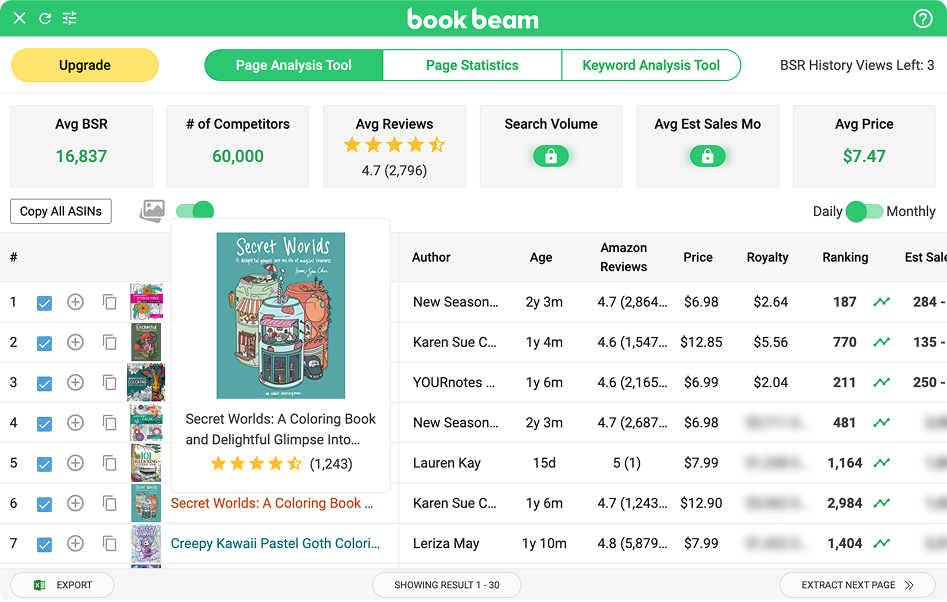
Start by digging deep into BookBeam’s real-time market analytics. Instead of throwing your lead magnet or newsletter promotion at everyone, use BookBeam’s data to identify which sub-genres, keywords, and categories are most underserved yet active. For example, maybe you see that “cozy magical baking mysteries” are climbing in popularity but have fewer high-quality books for readers to devour. With these granular insights, you can position your newsletter as the go-to hub for fans of this niche, promising inside scoops, bonus stories, or exclusive recipes. Your entire campaign becomes sharper, and your sign-up rates soar.
BookBeam’s research tools help you go beyond surface-level trends. Analyze what types of books are surging across the market, what themes or tropes readers rave about most in their reviews, and even which competitor authors have aggressively growing audiences. Cross-reference your findings with the performance of existing email lists in those categories, tracking how fast their subscriber numbers are growing and what kind of engagement, from open rates to click-throughs, they’re seeing. Use this intelligence when crafting or positioning your own list offer, tailoring your language to hit hot buttons proven to convert. For instance, if you spot that “weekly chapter drops” spark engagement in your target niche, make that the promise at the heart of your mailing offer.
A powerful feature within BookBeam is competitor monitoring. Instead of second-guessing what works, directly observe the strategies of authors whose lists are expanding rapidly. What sort of reader magnets do they offer? How are they framing the benefits of joining their list in email and on their websites? Which books are they highlighting, or even bundling alongside newsletter sign-ups for maximum conversions? Reverse engineering these winning formulas, but customizing them for your brand, lets you leapfrog years of trial and error. As you implement these market-driven ideas, always be sure to put your unique spin on them, ensuring your books and email communications remain authentic and on-brand.
Moving fast is crucial. The difference between a growing and a stagnant list is often who acts first on new market opportunities, speed matters. BookBeam’s instant alerts can notify you when a new niche is blowing up or when reader sentiment suddenly shifts, such as an upswing in interest for a book marketing tactic, a hot trope, or a trending keyword. Use this actionable data as fuel for rapid testing: tweak your lead magnets, refresh your landing page language, and A/B test different list offers based on what BookBeam uncovers. Set up tracking links and review which approach adds subscribers most efficiently, cutting what doesn’t work and scaling what does.
You’re not only promoting your list, but building a long-term marketing asset. The real benefit of niching down with BookBeam data is that every subscriber you attract is more likely to buy your books, the core promise of an effective mailing list. The tighter your targeting, the more responsive your new audience becomes: higher email open rates, more clicks, deeper engagement with your books, and better feedback that sharpens your marketing for the next round. Over time, you’ll discover that your data-driven list isn’t just a group of passive subscribers; it’s a thriving community always ready to amplify your latest release or special offer. Keep nurturing that list with content that reflects the precise interests BookBeam’s market research uncovered.
Can you imagine the impact of growing your email list with readers who already crave books just like yours? That’s the competitive edge BookBeam delivers. Stop relying on marketing luck, use data to target, test, and optimize your list growth campaigns. If you’re ready to transform your email list into your most reliable book marketing asset, get started with BookBeam and turn research into reader results, faster than you ever thought possible.
Crafting Emails That Keep Your Newsletter Subscribers Engaged Month After Month
Once you’ve started building momentum with your reader mailing list, the real challenge is maintaining consistent engagement. Authors who simply hit “send” each month with routine updates quickly discover that subscribers grow indifferent and open rates drop. True impact comes from crafting emails and newsletters that offer tangible value, spark community conversations, and make each subscriber feel like part of something bigger. Sustainable results are built on ongoing connection, not bland broadcasts. The following content strategies are designed to help you foster a vibrant reader community, cultivate long-term loyalty, and ensure that subscribers eagerly anticipate every email, month after month.
Content Strategies to Foster Community and Build Lasting Loyalty
When it comes to emails that genuinely keep newsletter subscribers engaged month after month, your approach must run deeper than standardized updates or thinly veiled book promos. Every email should be a touchpoint that both delivers unique value and nurtures a sense of community. Your ultimate goal isn’t just to keep subscribers reading, but to transform your newsletter into a gathering place that readers look forward to, even in a crowded inbox. To achieve this, prioritize crafting content that forges connection, invites participation, and solidifies your identity as an author who truly values every member of your list.
First and foremost, start by striking the perfect balance between informative and personal content. Subscribers who feel like anonymous numbers will eventually disengage, so focus on sharing stories, behind-the-scenes glimpses, and updates that make it clear there’s a real person behind the email. Offer free sneak peeks at works in progress, share the “why” behind your favorite current project, or reveal small triumphs and inevitable setbacks in your author journey. Authenticity establishes trust, and when readers connect with you as a person, not just an author, they’re far more likely to engage, reply, and stick around for the long term.
Go beyond the one-way communication model by using strategies that invite subscribers to actively participate in your community. Regular community polls or quick surveys included in your newsletters are powerful tools, they not only give you actionable feedback for improving content but signal that each subscriber’s input matters. Ask readers what type of free content excites them most (bonus chapters, exclusive short stories, or even book club discussions), or poll them about preferred genres and upcoming projects. Then spotlight poll results in the next email, fostering a circle of feedback that keeps readers invested.
One of the fastest ways to nurture lasting loyalty is to surprise your readers with free value they didn’t expect. Don’t stick to the promise of a single freebie for joining your list; instead, periodically reward active subscribers with unexpected bonuses. This could be a free, members-only short story, printable bookmarks, exclusive book club guides, or early access to cover reveals or book launches. Announce these bonuses with an air of excitement, letting subscribers know they’re getting something others aren’t. Scarcity and exclusivity drive engagement; regular “gifts” reinforce why your email is worthy of a spot in their inbox every month.
Story-driven emails perform exceptionally well for fostering community. Instead of dry announcements (“new book released”), take readers inside the process with serialized storytelling: share snippets, deleted scenes, or progress journals across several emails. Invite feedback on story twists, offer to name a background character after a subscriber, or run mini-contests that invite replies. These recurring narrative arcs keep readers looking forward to the next installment, as if each newsletter is another chapter in the story of your author career.
Another overlooked strategy is curating and spotlighting content from your own community. Share fan art, reader testimonials, glowing reviews, or even photos of readers enjoying your books. With permission, showcase these in your email as a way to celebrate your community’s creative energy. Not only does this make contributors feel valued and seen, but it inspires others to participate, reply, and connect. Over time, your newsletter list becomes more than just fans receiving emails; it becomes a group with shared rituals and traditions, the cornerstone of true loyalty.
Don’t forget the power of collaboration. Bring in guest content from author peers, especially those whose books or voices complement yours. Feature collaborative Q&As, invite another author to share a tip or a free bonus, or organize newsletter “swaps” that introduce your readers to someone new while providing their list with your own best material. These cross-community connections help keep your content fresh, broaden the reading experience, and position you as someone who champions both quality and community.
Keep your content calendar varied to avoid fatigue. Each month, mix up your email format, one issue might be a personal missive with a heartfelt update, while the next is a curated resource guide, a poll, a contest announcement, or a roundup of must-read books in your niche. By keeping email content unpredictable (yet always valuable), you reduce the risk of subscribers hitting the unsubscribe button out of boredom.
Lastly, always end with a call to action that invites a real response, not just clicks or sales. Whether it’s a question related to your latest story, an invitation to hit reply and share reading recommendations, or a poll for next month’s free bonus, the point is to make subscribers feel like the newsletter is a two-way conversation. Consistent, open invitations to participate build bonds that transactional newsletters never can.
Delivering month-after-month engagement through emails isn’t about gimmicks, it’s about staying deeply attuned to what makes your subscribers feel valued, involved, and at home within your author ecosystem. Combine free surprises, authentic stories, genuine community building, and ever-evolving content strategies to turn your mailing list into a living, breathing reader community. Approach your newsletter as you would any enduring relationship, with attention, care, creativity, and unwavering respect for your subscribers’ time. When you get this right, loyalty and excitement for each email become inevitable, and your list transforms into the most reliable foundation for your long-term author career.
Growing your reader mailing list is a crucial investment in your author career, providing a direct line to your most engaged fans. By delivering value-driven content, using proven strategies, and leveraging tools like BookBeam to identify what your audience wants, you’ll nurture lasting connections and drive consistent book sales. Start today, implement the steps outlined above and watch your subscriber count rise. Remember, a thriving newsletter is more than just numbers; it’s the foundation for building an enthusiastic community around your books. Ready to accelerate your growth? Download our free actionable guide and take control of your reader outreach.