In today’s fiercely competitive publishing landscape, a professional author website is no longer optional, it’s your marketing command center. Whether you’re launching your first book or expanding an established career, your website is where readers discover your story, join your mailing list, and connect with your brand. This guide covers the essential steps every author should take to build a compelling website and maximize its potential for powerful book promotion. Learn how to create a site that reflects your unique voice, attracts your ideal audience, and becomes your most valuable asset for long-term publishing success.
Key Highlights
- An author website is essential for Amazon KDP publishers to strengthen marketing, control branding, and foster direct reader relationships.
- Choosing the right web platform, integrations, and analytics is crucial for long-term growth and effective marketing results.
- Quality design, user-friendly navigation, and strategic content drive audience engagement and enhance book sales.
- Market research tools like BookBeam help uncover content opportunities, optimize SEO, and validate audience demand.
- Ongoing promotion, email list building, and community engagement are key to sustaining website traffic and growing your author platform.
Why Every Amazon KDP Publisher Needs an Author Website
If you’re serious about marketing on Amazon and building long-term book sales, having an author website is no longer optional, it’s essential. The right site positions you as a professional author, gives you control over your branding, and delivers a central hub for all of your marketing efforts. More than just a digital business card, your author platform helps readers discover your work, builds your audience, and enables you to promote current and future books far beyond Amazon’s marketplace. With the right website essentials in place, you’re equipped to grow enduring relationships and achieve sustainable publishing success without relying solely on outside platforms.
Understanding the Role of Your Author Website in Sustaining Book Sales
An author website anchors your entire marketing approach, acting as the bridge between your books, the Amazon platform, and your audience. Many authors rely too heavily on Amazon’s infrastructure, but the reality is that you don’t own that marketplace or its contacts, you’re renting a tiny piece of digital real estate. By establishing your own site, you protect yourself against sudden algorithm changes, shifting policies, and the unpredictability of retail platforms. Your website gives you full control over how your reader encounters your brand, from your books’ presentation to the flow of information and calls to action that drive book sales or sign ups to your newsletter.
Think of your author website as your professional home base. All of your marketing, whether it’s through Amazon ads, social media campaigns, or podcast appearances, should point back to your website. This is the place where you can capture email addresses, share vital content that helps readers better connect to your story, and nurture relationships well beyond the initial book purchase. Consistent, high-quality content on your site signals to both your audience and search engines that you’re an active, engaged author, making your platform more discoverable and trustworthy.
A strong author platform isn’t about flashy design, it’s about functionality and results. Your site needs the right website essentials to capture leads, showcase your latest book, offer sample chapters, and host all the resources readers crave. As your mailing list grows, your control over direct communication with your readers expands, which helps buffer against fluctuations in Amazon rankings or category changes. Plus, a well-structured site enables cross-selling and upselling, whether through linking backlist titles or promoting upcoming launches.
All of this combines to create a sustainable system for book sales and reader engagement that’s immune to the volatility of third-party platforms. By prioritizing your own author website, you not only strengthen your marketing, but also build an asset that appreciates over time, delivering more value with every new piece of content you add or reader relationship you nurture. If you’re eager to make the leap from hobbyist to true publishing entrepreneur, investing in your author site is the critical first step to a resilient, successful author career. Don’t let your future sales or audience relationships rest entirely on Amazon, bring readers to your online home and equip yourself for long-term growth.
Decide on Your Website Building Tools and Key Services You’ll Use
The tools and services you choose lay the foundation for a resilient author website that multiplies your marketing results over the long haul. Selecting the right platform, website design strategy, meaningful integrations, and robust analytics will ensure your site becomes a powerful hub for your Amazon brand and publishing business. Every author’s needs are unique, but aligning your technology stack with your ambitions, and your workflow, makes a huge difference. Your choices here directly impact everything from your ability to capture leads and automate outreach to how successfully you scale up book promotions. Let’s break down the critical decisions and best practices to create a site that drives results from day one.
Evaluating Platforms, Integrations, and Analytics to Power Your Online Presence
Deciding which platform to build your author website on is the first major fork in the road on your publishing journey. Most successful authors choose WordPress for its blend of flexibility, scalability, and unmatched control, it’s a platform trusted by everyone from independent creators to global enterprises. WordPress supports thousands of design templates and integrations, making it easy to tailor your site exactly to your brand and audience, without needing to learn complex code. The beauty here is that with the right plugins, you can add essential marketing features, optimize for Amazon discoverability, and future-proof your platform for years of content and book launches.
But building a professional site isn’t just about design; it’s about connecting all the backend services that turn a static webpage into a living marketing machine. Think about the core integrations every author should consider: robust email marketing tools (like ConvertKit or Mailchimp), e-commerce connections (for selling signed books or exclusive content), analytics platforms (Google Analytics, Hotjar), review widgets, and even seamless Amazon affiliate linking. These integrations give you actionable data, showing not just who visits, but how readers move from a book description or blog post to actually buying your book on Amazon or signing up for your mailing list.
Don’t overlook the website essentials that transform your platform from “nice to have” to “key asset.” A responsive design ensures your site looks great on every screen, while SSL security builds trust with visitors. Automated back-ups and regular updates keep your content safe, and site speed optimization helps reduce bounce rates, a big factor for both readers and search engine rankings. With analytics in place, you’ll track what’s working, double down on effective marketing tactics, and spot new opportunities to grow your author brand. For example, seeing that a particular blog post or landing page is driving signups can inform your future content strategy and advertising spend.
The right platform, integrations, and analytics combine to make your website the central command center for all your publishing efforts. When you pair a site built on WordPress with thoughtful design, data-driven analytics, and services tailored to your workflow, you put yourself in the strongest position to turn Amazon browsers into devoted readers. Make these decisions deliberately; don’t settle for what looks good or seems easiest in the moment. Prioritize long-term growth and control. The connections and data you set up from day one will fuel your marketing and help you build relationships your competitors can’t touch. No one grows a sustainable author business on guesswork, empower your site with essentials that give you real, actionable insights and the agility to adapt as the publishing landscape evolves. Ready to move beyond theory? Start by mapping out the integrations and analytics that’ll help you reach, and measure, your next milestone.
Design and Template Choices for a Standout Author Website
First impressions count, and your author website’s design is the handshake that greets every visitor. A thoughtful template and purposeful site layout do more than look good, they build trust, communicate your genre, and make navigation effortless for your readers. Design choices must balance visual appeal with clarity, ensuring your homepage instantly tells readers who you are, what you write, and how to connect with your work and media. From color scheme to content structure, the template you select will shape the user experience across every page. Putting fundamentals before trends, you can create a marketing asset that drives results now and scales with your author career.
Best Practices for Visual Appeal and Effective User Experience
When designing an author website, prioritize both visual appeal and effective user experience to ensure your site stands out and performs as a true marketing engine. Your design must instantly set the right tone for visitors; inconsistent branding and cluttered visuals make it harder for readers to trust or remember you. Select a clean, purpose-driven template, one that puts your book covers, author bio, and media mentions right up front on the homepage. Consistency in color palette, font choices, and image style reinforces a professional appearance, conveying that you take your writing and your readers seriously. Don’t just settle for what looks flashy; a site with well-organized content and a compelling design draws readers in and keeps them exploring, which is crucial for long-term marketing success.
Effective user experience starts with intuitive navigation. A visitor should, within seconds, understand where they are, what you offer, and how to move deeper into your site. Your homepage is the anchor of this journey, it’s not only your digital front door, but the hub where you showcase your latest books, upcoming events, and essential media resources. Leverage the top of your home page for clear calls-to-action, like joining your mailing list or browsing your book catalog. Keep navigation menus streamlined and logical, ideally at the top or in a visible sidebar, so readers can easily find content like your blog, upcoming releases, or media kit. Every click should feel natural, eliminating friction that could drive visitors away.
Visual appeal doesn’t mean sacrificing performance. Optimize images and media so your site loads quickly across all devices. Mobile responsiveness is non-negotiable; with so many readers browsing on phones and tablets, your design and template must automatically adapt, preserving all user experience elements whether on desktop or mobile. Prioritize fast loading times, simple site architecture, and accessible font sizes so you don’t lose engagement before a page even loads. For authors relying on marketing campaigns, these fundamentals are essential, no reader will stick around if your homepage takes too long to appear or isn’t readable on smaller screens.
Integrate multimedia content strategically. Media such as author headshots, book trailers, or podcast interviews add depth and personality to your site, but keep everything purposeful. Too much media clutter can distract from your core message and bury your primary calls-to-action. Use design to spotlight the most important media assets, and weave testimonials or notable endorsements into key areas of your homepage for social proof. For aspiring authors, showcase workbook samples, free downloads, or visual teasers in a manner that complements, not overwhelms, the overall design.
Above all, tie every element back to your marketing plan. Is your author website advancing your goals, whether that means building an email list, nurturing superfans, or attracting media attention? Evaluate your template and design choices through these filters regularly. Sometimes, minor tweaks to homepage content placement or a bolder call-to-action can dramatically increase conversions. If you’re using analytics, don’t be afraid to test different layouts or content modules and see what actually increases engagement and sales. Ultimately, clear design and seamless user experience empower your site to capture leads, share your story, and drive real results, without ever losing that vital sense of authorship and authenticity.
How to Craft a Home Page That Captivates Your Audience
Your author website’s home page is the linchpin of your platform, it’s where your audience forms instant impressions, weighs your credibility, and decides whether to stick around. A thoughtfully designed homepage delivers tangible value right from the start, anchoring your marketing while guiding visitors deeper into your site’s content. The best home pages balance strategic messaging with accessible design, signaling exactly what sets you apart as an author and why your work matters to readers. In the following exploration, you’ll discover how to structure your home page to communicate your value, showcase your platform, and turn casual browsers into committed audience members who engage with your content and books.
Strategic Elements to Instantly Communicate Your Value as an Author
Your homepage is more than just a digital welcome mat; it’s the primary stage for presenting your unique value as an author to your audience. Start by defining the core message or promise you want your homepage to deliver, what can your platform offer readers right away? Make this visible above the fold, ideally with a concise headline and supporting tagline. This instantly signals your author brand and gives every visitor, whether new or returning, an immediate understanding of the content and experiences your website provides.
Strategically, every element you include on your home page should reinforce your marketing goals. Prominently feature your most current or bestselling book with an eye-catching cover image and a call-to-action (“Learn More,” “Read a Sample,” “Buy Now”) that funnels visitors deeper into your site. For authors building a platform, an email opt-in form should have a clear, reader-focused benefit. For example, “Join for exclusive content, behind-the-scenes updates, and free chapters.” Enticing offers and value-driven messaging help your audience see that signing up is about more than just another newsletter; it’s an entry to your inner circle and ongoing content.
Use your homepage to visually and contextually echo your genre and style. If you write sci-fi, subtle futuristic elements woven into the design and copy will attract the right audience. Romance authors might leverage warm hues, soft images, and emotionally resonant phrases to foster instant connection. The goal is not to overload the homepage, but to briefly immerse your audience in the world of your books and your broader site. This makes your homepage more than a list of links, it’s a mini-experience that primes visitors for greater engagement across your content.
Clear, uncluttered navigation is critical. Your audience should see a logical site structure, sections for books, your story, critical content, and resources, right from the homepage. Don’t bury key platform pages or essential marketing calls beneath extra clicks. A sticky header or a prominent menu can help users orient themselves, while strategically placed buttons (“Read the Blog,” “Browse Books”) move them naturally through your site. This encourages longer stays and deeper connections, ultimately benefitting your overall platform and marketing efforts.
Social proof is a potent lever for trust. Consider integrating testimonials or a “Featured On” banner near the top of your home page. This immediately conveys value by showing that your writing, and by extension, your platform, matters beyond your own site. If you’ve contributed to major sites, won awards, or received praise from respected voices in your genre, highlight these endorsements in a way that reinforces your unique content and author brand. For authors early in their journey, reader reviews from Amazon or early praise can provide the same trust-building effect.
Today’s audience expects author sites to feel dynamic and approachable, so don’t be afraid to personalize your homepage. A warm headshot, a candid snippet about why you write, or even a quick video greeting can go a long way in turning visitors into loyal followers. Just ensure every piece of content, design, and copy on your homepage is intentional, meant to further your platform’s value, support your broader marketing, and make your audience feel seen and inspired to take the next action.
Creating a home page that captivates isn’t about cramming in every possible feature; it’s about clarity and focus. Every design choice, line of content, and highlighted offer should underline your value as an author. Keep revisiting your homepage as your platform and marketing evolve, refining it so that every new visitor sees not just another site, but a doorway to something uniquely compelling. Set your website apart by building a home page that welcomes, informs, and motivates, laying the foundation for an engaged audience and lasting, real-world results.
Author Bio Essentials: Building Trust and Connection with Visitors
Creating a meaningful connection with your audience starts the moment a visitor lands on your author website, and nothing accomplishes this faster than a well-crafted author bio. Your author bio is more than just a list of accomplishments, it’s about telling your story in a way that speaks directly to your audience’s needs, interests, and aspirations. An engaging “about” page blends personal storytelling with strategic content, inviting visitors to know the person behind the books. By anchoring your author bio in authenticity and relevance, you lay the groundwork for genuine trust, essential for transforming curious readers into long-term fans.
What to Include and How to Tell Your Story Authentically
When it comes to drawing readers into your world, nothing is as pivotal as your author bio. It’s the heartbeat of your author platform, the content that welcomes visitors and encourages them to invest in your story, your journey, and ultimately, your books. The secret isn’t in reciting credentials or sharing a laundry list of achievements; it’s about telling your story in a way that speaks to your audience and inspires a personal connection rooted in authenticity.
First, start with why you write. True engagement often begins not with professional accolades, but with the personal moments that set you on your path as an author. Share the story, what inspired you to begin writing, a problem you set out to solve, or the transformation you hope your work brings to readers. This isn’t about marketing jargon or selling yourself, it’s about content that makes your home page and your “about” page feel real and inviting. Remember, the most effective author bio reveals not just what you’ve done, but who you are and why it matters for your audience.
Next, tailor your bio’s content so it resonates with your audience’s values and interests. If you write thrillers, you might mention an interest in puzzles since childhood, or how real-life mysteries piqued your curiosity long before you penned your first book. Nonfiction authors should share their passion for empowering others, underscoring how every lesson or insight in their books springs from genuine, lived experience. No matter your genre, telling your story means inviting readers to see themselves in your journey, cultivating trust by showing vulnerability, purpose, and grit.
An engaging “about” page goes beyond the surface. Include just enough personal detail to make connections, your background, a pivotal turning point, or even the challenges you’ve faced as an author, while always linking back to your audience’s experience. Visitors want to feel understood, not lectured to. If your home page promises content that solves problems or delivers inspiration, back it up with authentic anecdotes in your author bio. This approach not only builds credibility but anchors your entire website in a way that speaks directly to the hearts of your audience.
Don’t forget the fundamentals: keep your story concise, relevant, and audience-focused. Use clear language, active voice, and meaningful specifics. Update your bio regularly to reflect who you are as an author today, not just snapshots from years past. If you’ve appeared on podcasts, won awards, or have unique personal quirks (like collecting rare notebooks or writing in a bustling café), mention these as they humanize your brand, offering content that lingers in a visitor’s mind after they leave your home page.
Ultimately, authenticity isn’t about oversharing, but about making deliberate content choices that let your true self shine through. Make your “about” page visually inviting, use a professional headshot, dynamic layout, and intersperse your content with visual cues that reinforce your brand. The story you tell through your author bio is not just for your ego, but a bridge that draws visitors deeper into your author platform.
Ready to invigorate your own bio? Revisit your current “about” page and audit it against your marketing goals. Ask yourself, are you telling your story in a way that speaks to your ideal reader? Does every sentence cultivate connection and trust? By centering your author bio on authenticity, your site will become much more than a static resume; it’ll be the starting point for loyal audience relationships and sustainable book sales. If you’re committed to building a real connection with every visitor, don’t overlook the power of an engaging author bio.
Quality Content Strategy for Author Websites
Great author platforms aren’t built on design alone, they’re fueled by quality content that resonates with readers and supports your long-term marketing goals. After locking down the fundamentals of your home page and bio, the next step is to develop a content approach that keeps visitors coming back. Consistently providing valuable insights, stories, or resources grows your audience’s trust and signals to search engines that your author website is active and authoritative. Savvy authors harness research tools to ensure their blog and website content targets exactly what readers want, making it possible to stand out, build community, and boost book sales with every post.
Using Market Research Tools Like BookBeam to Uncover Topics Readers Want
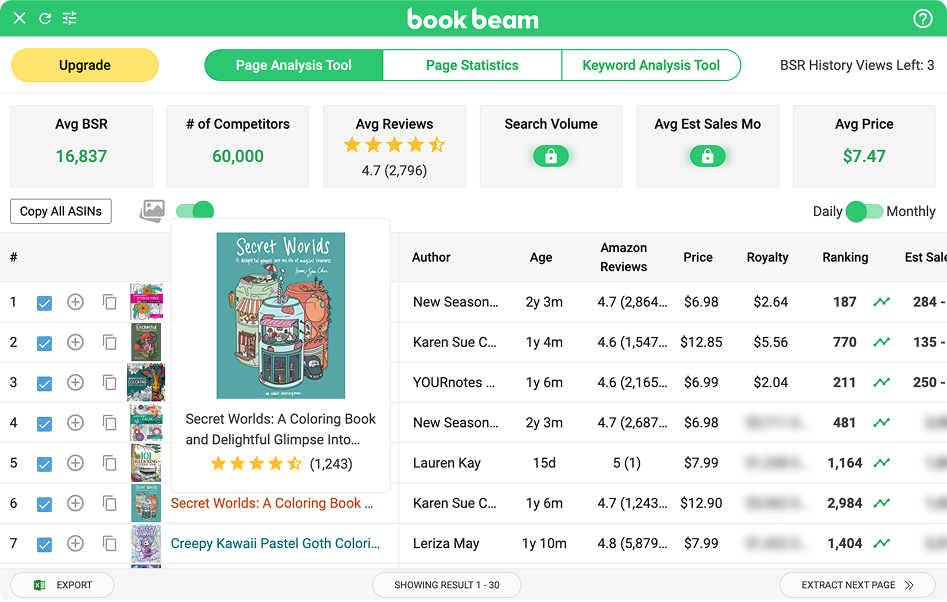
If you’re committed to crafting high-quality content that drives your platform and book marketing forward, you can’t rely on gut instinct or guesswork alone. Too many authors blog or build website resources based on what they think readers need, only to discover low engagement and missed opportunities. That’s where dedicated market research tools, particularly BookBeam, come into play for modern author marketing. BookBeam is designed for Amazon KDP self publishers who are serious about forming a research-driven strategy. By analyzing what readers are already searching for, which books are trending, and where gaps exist in your niche, BookBeam transforms your approach to quality content creation, pivoting you away from speculation and towards actionable data that’s essential for long-term results.
When you leverage research tools like BookBeam, you unlock the ability to validate every piece of content you plan to publish, whether it’s a cornerstone blog post, a downloadable resource, or a supporting book page on your author website. Start by using BookBeam’s niche discovery features to uncover topic clusters your audience is actively searching for on Amazon and beyond. Look for unmet needs: which blog or book topics are drawing significant searches but have low competition? Where are the trending questions, popular subgenres, or emerging pain points that your content can uniquely address? With market research as your guide, you’re not just generating ideas, you’re identifying blog and book content opportunities that can attract and genuinely serve readers.
Another advantage of using BookBeam and similar research tools is competitor tracking. See what kinds of content leading authors in your genre are consistently producing, analyze the blog themes or book topics that bring them the most attention, and spot gaps you can fill. By mapping your content calendar to these insights, your marketing efforts become more strategic and efficient, you’ll spend less time guessing and more time writing content that builds trust, gets shared, and positions your author website as a primary resource in your niche.
Market research tools also allow you to refine your keyword strategy for SEO, ensuring your content reaches the widest possible audience. Instead of generic tags, BookBeam can help you surface reader language and keywords that real people are using to describe, search for, and buy books like yours. Incorporating these terms into your site content, and updating regularly, makes your platform more discoverable while also boosting your marketing efficiency. This translates directly to higher traffic, improved email signups, and ultimately more book sales over time.
Finally, for authors serious about sustainable platform growth, BookBeam empowers ongoing measurement and agile content adaptation. You can track which blog topics are resonating, where website visits convert into email subscriptions or book purchases, and how reader interests shift with each publishing cycle. This closed feedback loop is what separates hobbyists from true author-entrepreneurs: you’re not simply producing content, you’re continually improving it based on real reader data. If your goal is to level up your author website as a marketing engine, don’t just blog for the sake of it, use BookBeam to ensure every piece of content is purposeful, relevant, and capable of driving real-world results for your platform and your books. The right content, built on research, builds long-term relationships and cements your authority in the eyes of your audience.
Critical Page Inclusions: What Every Author Website Must Have
Your author website is more than a digital calling card, it’s the engine for your book marketing and the anchor for your author platform. After considering the best tools, templates, and research strategies, you need the right mix of site pages to create a seamless journey for your audience and funnel visitors toward your goals. Core website essentials like compelling book pages, an organized book catalog, and intuitive contact forms each play a distinct role in boosting usability and driving conversions. Now let’s look at how to thoughtfully curate these must-have elements so your site works tirelessly to build your readership and sell more books.
From Book Catalogs to Contact Forms—Curating for Usability and Conversion
If you want your author website to actually drive book sales and build a loyal audience, you can’t afford to overlook the foundational elements of usability and conversion. The journey begins with designing each page of your site to serve a clear purpose, making it easy for visitors to not just navigate but also to take meaningful action. Let’s break this down by focusing on the essentials that every author website must include, from your book catalog and individual book pages to smartly placed buy buttons and effective contact forms.
Start with the book catalog, it’s the heart of your author platform. This master page should display your entire body of work in a clean, well-organized way, whether you’ve published one title or an entire series. Readers want instant access to information; a good book catalog narrows their choices with categorized filters (genre, series, release date), high-quality cover images, and direct links to each book page. Don’t underestimate aesthetics: a visually attractive book catalog creates a trustworthy first impression, while a cluttered catalog with inconsistent cover sizes or missing buy buttons will hurt conversion rates from the outset.
Each individual book page is your digital storefront. Go beyond a basic blurb; give every book page a compelling hook, detailed synopsis, testimonials or reviews, and sample chapters. Enhance usability by featuring a clear buy button above the fold, a tested strategy that eliminates friction and makes it dead simple for readers to purchase. If a visitor has to scroll or hunt for your buy button, you’re missing sales. For KDP publishers, always offer both an Amazon buy button and secondary retailer options if your titles are wide. The goal is to make every book page frictionless, informative, and directly focused on conversion.
Site usability also depends on intuitive navigation, your audience shouldn’t be guessing where to go next. A persistent menu should clearly highlight book pages, the catalog, your bio, blog, and resources. Consider breadcrumbs or secondary navigation within your book catalog so readers can jump between genres or series seamlessly. Every site page needs to contribute to the larger strategy: are you nudging visitors to sign up for your newsletter, download a freebie, or inquire about events? Place targeted calls to action throughout, not just in your main menu but contextually on every relevant page.
Website essentials aren’t just about book sales; they’re the foundation of relationship-building. A well-designed contact page matters more than most authors realize. Your contact form shouldn’t be buried at the bottom of a crowded site; instead, dedicate a top-level navigation link to it. Make your contact page simple and inviting, include a clear headline (“Let’s Connect”), a brief explanation of what inquiries you welcome, and a contact form that asks only for what’s necessary. The fewer fields, the higher the submission rate. This small but key site element allows readers, collaborators, and media to reach you directly, turning casual interest into real-world opportunities.
Throughout your entire site, pay attention to usability fundamentals: mobile responsiveness, fast load times, and accessible design. Each page of your site should load quickly and display flawlessly on any device, whether a visitor’s checking your book catalog on a phone or browsing book pages from a tablet. Readers won’t wait for sluggish pages, and search engines quietly penalize poor performance, so speed and clarity are non-negotiable website essentials.
If you want to boost conversion, wrap each core site element with trust signals. Feature award badges, “As Seen On” media mentions, or Amazon review highlights on your book catalog or book pages. These cues reinforce that you’re a credible author and give hesitant readers that last nudge to hit the buy button or reach out via your contact forms.
Your author website is only as effective as the sum of its parts. By curating pages, from your book catalog to every single book page and contact form, with an eye for usability and conversion, you give readers a streamlined, enjoyable experience. This translates into more mailing list signups, higher book sales, and lasting engagement with your brand. Don’t leave your site’s performance to chance, audit every page for clarity, every buy button for prominence, and every form for ease of use. The right website essentials turn casual browsers into loyal readers, now’s the time to build a platform that works as hard for your books as you do.
Promoting Your Author Website to Reach and Grow Your Audience
Once your author website is built on a solid foundation, the next challenge is amplifying its reach through strategic promotion. Drawing traffic isn’t about waiting for readers to stumble upon your site, it’s about using smart marketing so your audience finds you, engages, and converts. Promotion ties together every asset you’ve put in place: it funnels potential readers from Amazon, media features, or social platforms directly to your website, where you can deepen those relationships. To build your platform beyond Amazon, you’ll need proven tactics to boost traffic, grow your email list, and maximize audience engagement, all essential for thriving as an author in today’s crowded book marketplace.
Effective Tactics for Driving Traffic, Building Email Lists, and Audience Engagement
If you want your website to be more than a digital brochure, you must promote it relentlessly and make every visitor count. The bedrock of modern author marketing is a multi-pronged approach that reaches your audience both where they’re browsing and where they’re ready to engage on a deeper level. Start by using your book as the primary marketing tool, placing website links in your Amazon author profile, your ebook’s opening pages, and at the back of your print books. This simple move ensures every reader, no matter where they discover you, knows that your official site is the destination for bonus content, exclusive offers, and direct access to your wider platform.
To truly drive traffic, leverage all your available media. Share value-driven content and clear calls to action on social media, using every new book launch or review as a chance to mention your website. Don’t just post about your book; instead, invite your audience to join your email list for “reader rewards,” exclusive chapters, or behind-the-scenes updates. Cross-promotion works wonders: participate in podcast interviews, guest blog on high-traffic sites, and always direct listeners or readers back to your author website. This turns media visibility into lasting audience growth and builds the all-important bridge from Amazon browsers to loyal fans within your own platform.
No promotion plan is complete without an email marketing focus, your list is your most valuable long-term asset. Position your email signup form front and center, and consider offering a compelling incentive to join. It could be a free story, a printable workbook, or early-bird access to your next book. The goal? Transforming fleeting website visits into ongoing conversations. Marketing isn’t just about big announcements; it’s about directly engaging your audience and giving them reasons to stick around. Use automated welcome emails to start building trust the moment someone opts in; share what they can expect, and follow up regularly with valuable, reader-focused content.
For audience engagement, create website features that prompt visitors to interact. Polls, live Q&A sessions, and interactive blog comments signal that your platform is a living, evolving space. Use segmented email lists so you can market specific books to the right interest groups, or run special promotions that invite your audience to review, share, or join a street team. Building a vibrant community means encouraging interaction both on your site and across the channels that lead people back to it.
To make promoting your author website truly effective, track the data. Review analytics on what content draws the most attention or email signups, and double down on strategies with the best results. If you notice a blog post or a media collaboration brings a spike in traffic, repurpose and market it across different platforms. Experiment with fresh ideas, like offering book bonuses to those who share your platform with friends or running a contest to get audiences involved with your site and email list.
The bottom line: never leave promotion to chance. Build regular outreach into your workflow, schedule weekly social posts that drive to your site, mention your platform in every Amazon and media interaction, and use email to nurture deeper engagement. When every part of your marketing, from your book to your media, works together to promote your website and expand your audience, you create the foundation for sustainable growth. Use these tactics consistently, and you’ll not only drive traffic to your site, but build an email list and audience engagement that turn casual readers into devoted fans, delivering real results for your author platform.
Building an effective author website is one of the smartest investments you can make for long-term publishing success. By integrating these essential steps, you’re not only delivering a seamless experience for your readers but also making it easier to promote your books and grow your platform with confidence. Ready to take the next step? Use a data-driven approach with tools like BookBeam to discover what works in your niche, track smart competitors, and maximize every opportunity your author website brings. Start building your sustainable publishing business today, one strategic move at a time.