Staying ahead in Amazon self-publishing requires more than just a great manuscript; it demands a strategic, data-driven marketing plan tailored for 2026’s fast-changing digital landscape. Whether you’re launching your first book or looking to scale your publishing business, having a step-by-step blueprint can mean the difference between obscurity and bestseller status. In this guide, we’ll break down each phase of book marketing into actionable steps, helping you reach your target audience, build lasting visibility, and drive sales with confidence. Let’s empower your publishing journey with a proven marketing plan built for today’s marketplace.
Key Highlights
- Set clear, measurable goals to guide every phase of your book marketing strategy and track real progress.
- Validate book ideas using data-driven market research and analytics platforms like BookBeam to reduce guesswork.
- Leverage competitive insights to position your book strategically and differentiate from similar titles on Amazon KDP.
- Structure a detailed, actionable timeline aligning pre-launch, launch, and post-launch activities for maximum sales impact.
- Continuously track key metrics and optimize your marketing plan to sustain growth and long-term reader engagement.
Define Clear Goals for Your Book Marketing Success
Every influential book marketing plan starts with setting the right goals. Without a targeted approach, even the most captivating book promotion will struggle to reach its intended audience. Defining measurable objectives shapes the roadmap that drives sales, guides your content strategy, and forms the basis for a reliable marketing checklist. When you’re pitching your book or rolling out tactical plans, your success depends on detailed goals linked directly to your desired outcomes. This step is fundamental for any author marketing their books, as it lays the groundwork to create a winning book marketing plan, set a realistic timeline, and develop clear tactics that propel measurable growth and book sales.
How to Set Measurable Objectives That Drive Book Sales
Setting measurable objectives is the heart of any effective book marketing plan, it’s the engine that transforms aspirations into tangible results. As an indie author or publisher, you can’t afford to treat your goals as vague wishes. Instead, you need a plan full of clearly defined, measurable goals that are directly linked to the actual business of book sales, strategy, and promotion. Let’s start by busting the myth that “selling more books” is enough. You need to know precisely what success looks like. Does it mean selling 1,000 copies in six months? Growing your mailing list by 500 readers before your launch? Securing ten podcast interviews for pitching your book to new audiences? Those are concrete, actionable, and measurable objectives that drive better results than simply aiming to increase your sales.
Begin with the end in mind. Define what ‘success’ really means for your book: Is it charting in a specific Amazon category? Landing a feature in a top genre podcast? Building a sustainable audience that’ll fuel future launches? Your strategy must address these targets, attaching a quantifiable outcome and realistic timeline to every goal in your checklist. When you can actually track your accomplishments, like hitting pre-order milestones, earning reviews, or securing newsletter swaps, you’ll not only boost your motivation, but also make smarter promotional decisions along your marketing timeline.
Once you’ve articulated your main goals, break them down. If your plan is to dominate your niche’s new releases on Amazon KDP, then set incremental objectives: research your audience, determine competitive targets, and create a timeline for each tactic. Align every marketing action, whether building your launch team, crafting content, or executing ads, to a clear, measurable result tied to your book sales. Stay agile: regularly review progress, measure what’s working, and refine your marketing plan based on performance data. This approach ensures that author marketing isn’t just a shot in the dark, but a continuous cycle of goal-setting, validation, and real-world success.
Consider your audience at each step. Identify who you want to reach, where they’re most engaged, and what promotions will resonate. Your marketing objectives shouldn’t just be about selling, they should also connect with readers, create brand advocates, and open new promotional channels for future books. For example, maybe your checklist includes securing advance reviews from influencers or developing a newsletter campaign to prime your audience for launch. Every goal should feel grounded, attainable, and driven by real market research rather than guesswork.
Lastly, always connect your measurable objectives with your promotion timeline. Set mini-deadlines: by month one, secure your reviews; by month two, execute your social media content plan; by the launch, have your pitching ready for podcast interviews. Use your marketing goals to plot every milestone, so when your book hits virtual shelves, you know you’re set up for lasting, data-driven sales, not just a short spike during launch week. The end result? A book marketing plan that’s not just hopeful, but operational, strategic, and built to win, giving you the confidence to promote, track, and adapt your strategy for sustainable success.
Validate Your Book Idea with Data-Driven Market Research
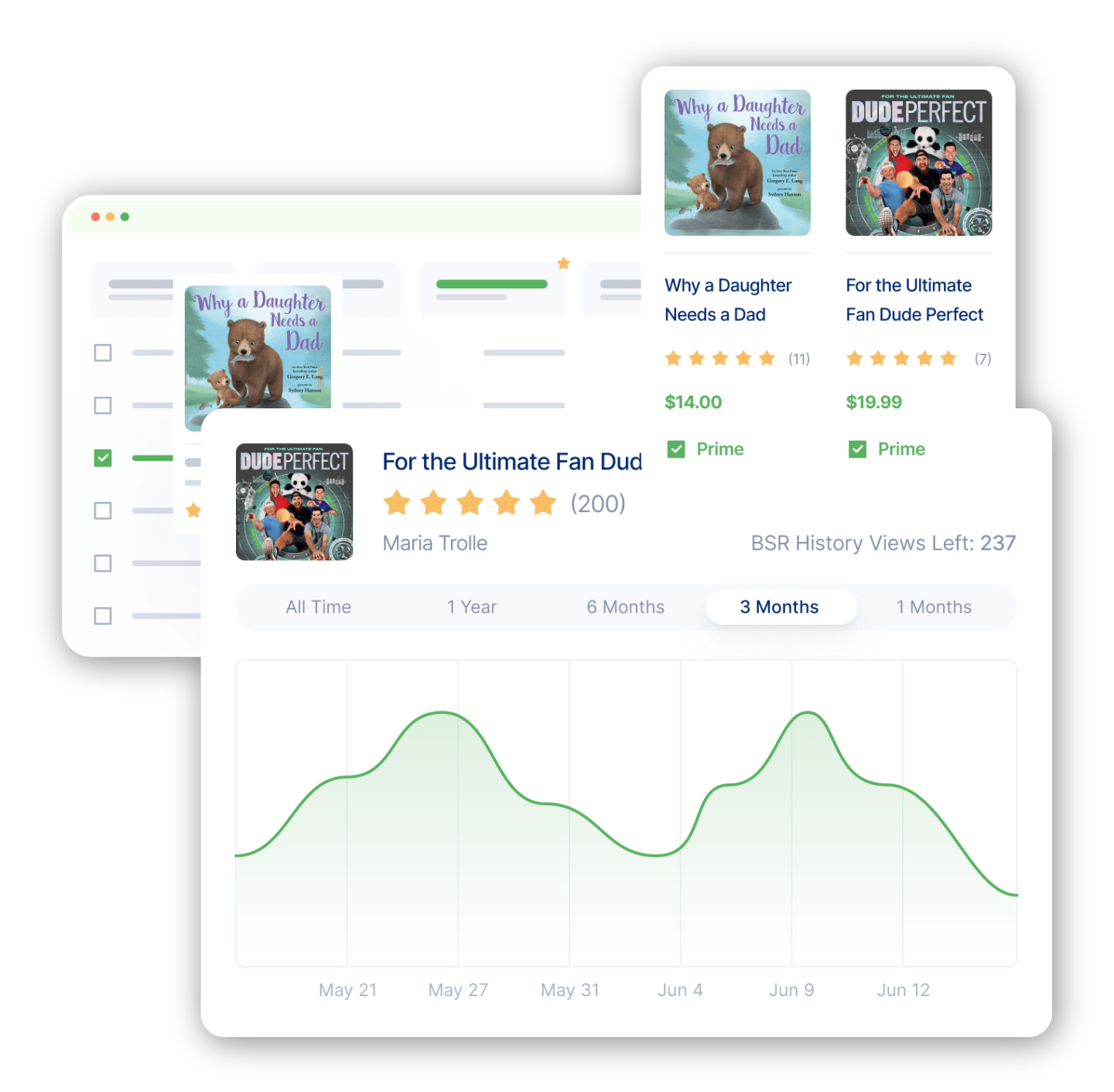
Success in book marketing requires more than passion or intuition, you need evidence that your idea has real demand. While goals give your book marketing plan structure, validating your book idea with market data and analytics transforms your vision into actionable strategy. Effective research helps you pinpoint growing niches, gauge reader appetite, and check the competitive landscape in detail. Leveraging platforms like BookBeam turns subjective guesses into data-driven decisions, arming you with metrics and insights to assess audience demand, selling trends, and opportunities. This approach will save you time, money, and set your book marketing up for measurable results based on research, not risky guesswork.
Leveraging Analytics Platforms like BookBeam to Uncover Untapped Niches
Too many self-publishers pour months into writing and marketing books that sink without a trace because they never validated their ideas using real market data. It sounds harsh, but it’s the reality of the competitive landscape in 2026. Today’s most successful Amazon KDP authors start with research, not writing. They use powerful analytics platforms like BookBeam to cut through noise, collect actionable insights, and create a book marketing plan that’s grounded in research and designed for the right audience from the start.
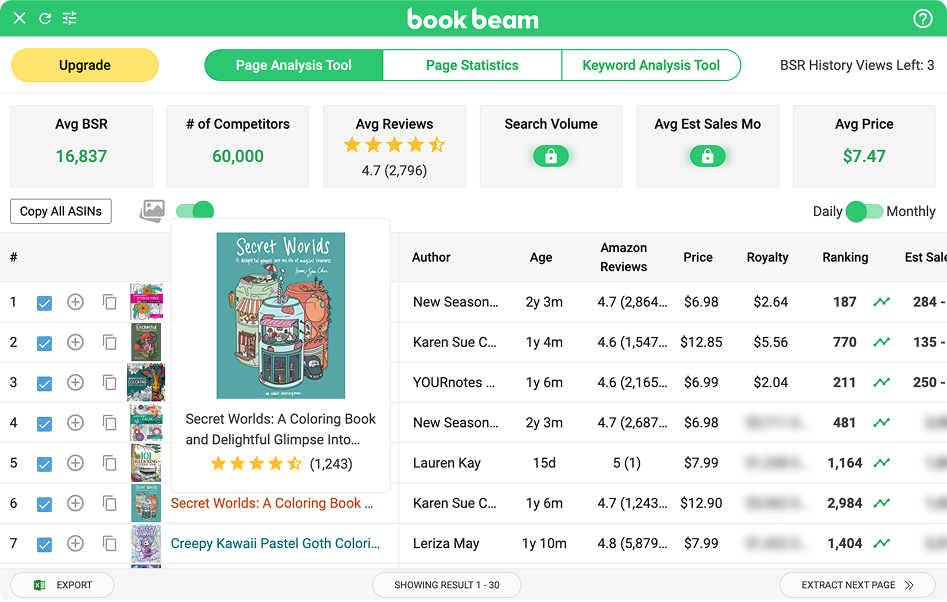
Let’s look at how you can use BookBeam to go beyond basic keyword searches and dig into market metrics that truly matter. First, you’ll want to identify high-potential niches, not just those with high sales, but ones where demand is robust and competition is reasonable. BookBeam’s market analytics tools scan millions of Amazon listings, surfacing emerging opportunities based on real-time data. Use the platform’s research features to filter by category, analyze book sales velocity, and assess content trends that are gaining attention but aren’t yet oversaturated. This research gives you a measurable, objective view of where your book could stand out.
Next, tap into reader-driven insights. BookBeam’s analytics dig deep, revealing what actual readers are saying in reviews. Are there recurring pain points or themes in the reviews of top-selling books? Are readers asking for content or details not being supplied by competitors? This feedback is a goldmine for anyone creating a book marketing plan, it highlights what audiences crave and where your book idea can fill gaps in the market. When you validate your idea with this level of detail, you don’t just create a book, you create something your readers are actively searching for and willing to buy.
Market research doesn’t stop at audience interest; it’s just as crucial to measure your competition. Use BookBeam’s competitor tracking to study bestselling titles, drill down into content strategies, pricing, cover designs, and author marketing tactics working in real markets. This will help you refine your own marketing checklist, from pitching your book to building an engaging author brand. With access to measurable, actionable analytics, you’re able to design a strategy where each choice, whether in content, pricing, or promotion, is grounded in current market realities, not outdated assumptions.
The true difference between guesswork and a high-performing book marketing plan? Data-driven planning. Instead of gambling on broad classifications, use BookBeam to validate your idea’s positioning and niche. Create objective, research-backed projections for your potential audience size, test your blurb and keywords for resonance, and adapt your plans based on predictive analytics and measurable metrics. Your goal is to make marketing decisions that aren’t just creative, they’re proven drivers of sales and engagement.
Above all, treat validation as an ongoing process. The market evolves rapidly, so continually revisit your research as you refine your book idea, plan your launch, and execute your marketing strategies. With BookBeam’s analytics platform, you’ll consistently have a pulse on the market: who your target readers are, what content wins attention, and how your book can rise above the noise. Harnessing these insights ensures your marketing plan remains actionable, adaptive, and aligned with what’s truly selling. Ready to build a strategy that wins? Start validating, your future as a successful author depends on it.
Crafting a Book Marketing Plan Built for the Amazon KDP Landscape
The Amazon KDP landscape in 2026 rewards authors who approach marketing with precision, agility, and a commitment to data-driven strategy. Whether you’re preparing your next big launch or reigniting momentum for a backlist title, crafting a book marketing plan goes beyond posting on social media or running the occasional ad. It requires a step-by-step process, one that integrates analytics, competitive research, and clear objectives to outmaneuver the competition. This part of your marketing journey will focus on weaving actionable insights and proven tactics into a cohesive plan, giving your book the edge to stand out and sell in a crowded digital marketplace driven by both readers and robust metrics.
Integrating Competitive Insights to Position Your Book Strategically
If you want your book to rise above in the Amazon KDP landscape, you can’t afford to guess or copy what everyone else is doing. The foundation of a sustainable book marketing plan must be built on understanding the market’s realities and using competitive insights to define a unique position for your book. This is about more than glancing at bestseller lists, it’s a disciplined, strategic process leveraging analytics, thorough research, and attention to the smallest content detail.
Start by mapping your competitive landscape. Use tools and platforms, such as BookBeam, that specialize in Amazon KDP analytics to break down what’s actually selling, why certain content resonates, and where gaps exist in market offerings. Scan through your direct and indirect competitors: What marketing tactics are they using? How have they structured their launch timelines, content, and promotion plans? What’s their review profile look like, and are there recurring themes or complaints from readers in their checklists that you could address better in your own book?
From there, interpret these findings into actionable objectives for your strategy. For example, if you notice competitor launches are front-loaded with strong early review campaigns and targeted content marketing, add “secure 25 early reviews pre-launch” as a specific marketing action in your plan. Or, you may find gaps in content quality, research depth, or topic angles, these gaps are opportunities to position your book as the most detailed, insightful, or innovative choice for readers seeking that subject.
Create a tactical workbook for positioning:
- Document each competitor’s strengths and weak points, focusing on their book marketing plan and author marketing strategy.
- Analyze what promotional channels and pitching approaches resulted in the most engagement or sales spikes. Did they rely on newsletter swaps, paid ads, podcast pitching, or something unique to Amazon’s algorithms?
- Log their timeline milestones, when each marketing activity took place relative to launch, and how that affected overall success.
With this data in hand, start building your own book marketing checklist. Layer in key components: a clear content roadmap, a review acquisition strategy, a launch timeline, and detailed objectives for each promotional push. Keep analytics front and center throughout the plan. Monitor how your positioning matches up to competitors as you launch and revise your plan in real-time. Are your selling points resonating more strongly? Are your early reviews surfacing positive themes not found in competitor reviews? Is your promotional timeline yielding the engagement benchmarks you set?
Remember, winning in the Amazon KDP marketplace requires both creative differentiation and data-driven discipline. Use competitive insights not just to mimic, but to clarify and amplify your unique value. Readers are bombarded with choices, the book that delivers the most relevant, well-positioned content with the sharpest marketing angles wins every time.
Never overlook the power of a well-defined competitive edge. Strong positioning means your marketing strategy isn’t just about being “better”, it’s about being different in ways your market genuinely cares about. That’s how you convert casual browsers into buyers, earn authentic reviews, and maximize every promotion or launch activity. Leverage every insight, checklist item, and timeline detail for a book marketing plan that adapts, evolves, and ultimately achieves lasting success in the ever-shifting Amazon landscape.
Structuring an Effective Book Marketing Timeline for Maximum Impact
You’ve defined clear objectives, validated your book idea, and carved out a strong position in a competitive Amazon KDP landscape. Now it’s time to bring your book marketing plan to life with a practical, impactful timeline. The secret to robust author marketing isn’t just knowing what to do, it’s understanding when to do it for maximum momentum. A well-structured marketing timeline translates your strategy, content, and audience insights into real results, guiding every milestone of your campaign. By breaking down each phase of your book’s journey and syncing every tactic to a deadline, you’ll create a checklist that turns complex promotion into a focused, manageable process that drives sales and lasting audience engagement.
Aligning Your Book Launch Milestones with a Realistic Marketing Timeline
Building a truly effective book marketing plan hinges on the synergy between your goals, your strategy, and a meticulously structured marketing timeline. It’s easy to get swept up in big-picture plans or creative ideas, but the core of impactful author marketing comes down to mapping your launch, milestones, and promotional tactics in a realistic, actionable sequence. This is where many self-publishers hit stumbling blocks: either they cram all their campaign effort into the launch week or lose momentum in the post-launch fog. A comprehensive timeline anchors every phase of your book’s journey, from pre-launch anticipation to long-tail post-launch promotion, ensuring no opportunity for connection or selling slips through the cracks.
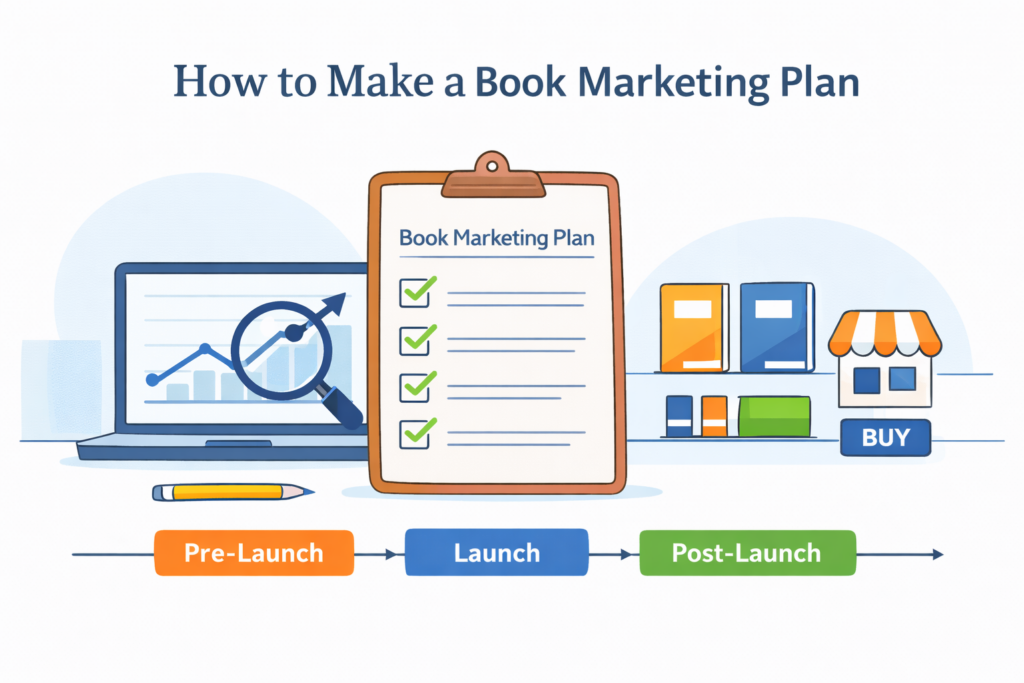
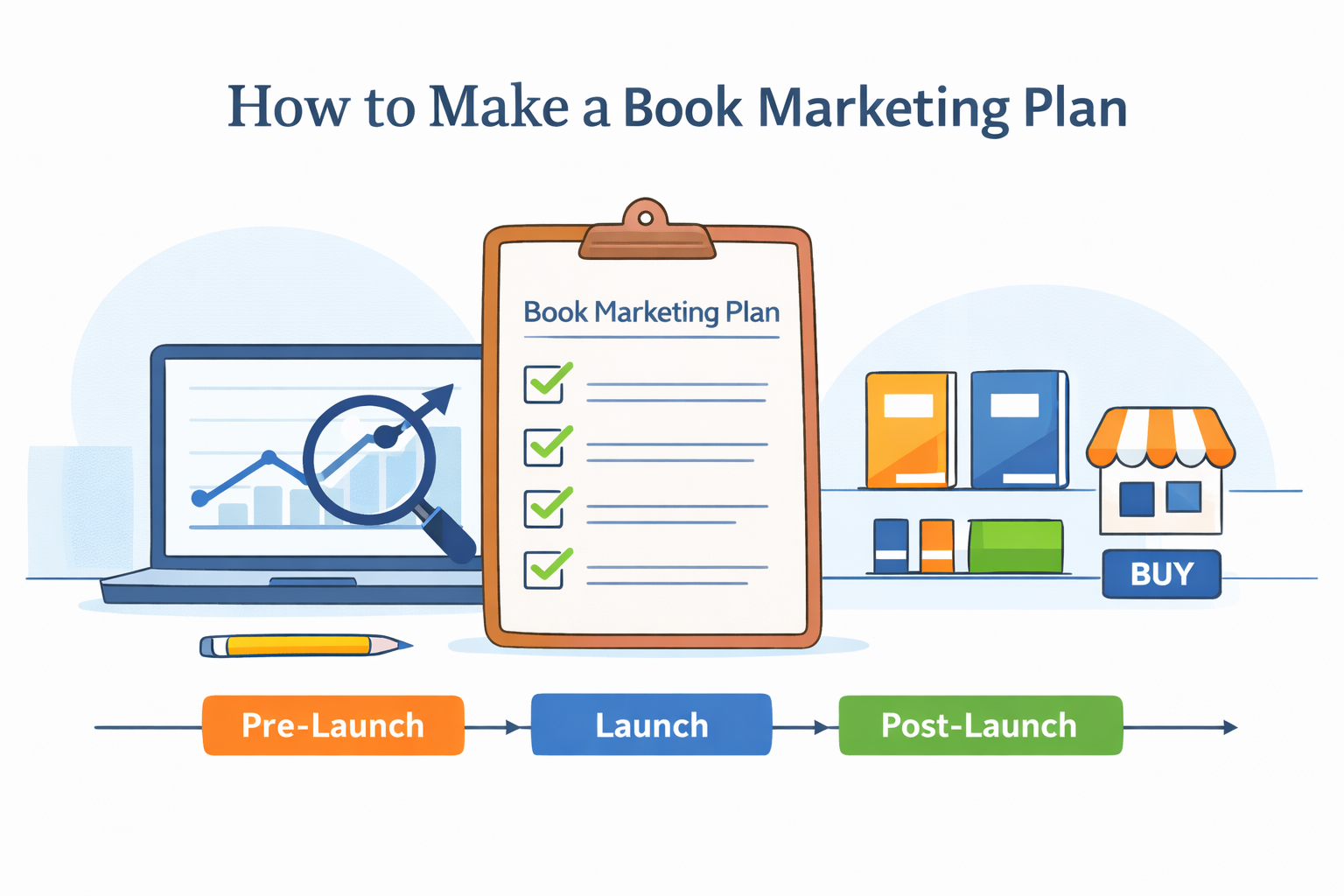
Start by breaking your marketing timeline into clear phases: pre-launch, launch, and post-launch. Each period should be mapped with specific milestones and tied tactics that move your audience towards action. In the pre-launch stage, your checklist will likely focus on content creation, audience building, pitching your book to early reviewers, and seeding buzz within your network. For most books, giving yourself eight to twelve weeks before release is crucial. During this time, detail exactly what promotional activities need to happen and when: teaser cover reveals, email newsletter campaigns, ARC outreach, and partnership-building should all get concrete dates on your plan. Remember, your goal for this phase is to generate early interest, gather reviews, and create anticipation that spills into launch week.
When structuring your launch itself, link every activity on your campaign checklist to a measurable milestone. For instance, your strategy might include a coordinated content blast across social media, a targeted paid ad push, special launch-day discounts, and multiple influencer partnerships. Assign each detail to specific team members or yourself, and chart every tactic against your timeline to maximize momentum: what day will you send your big announcement to your mailing list? When will you host any live events or participate in online launch parties? List these actions and their timing in your plan so you can visually track your campaign’s progress.
The post-launch phase deserves just as much focus, even though many authors relax their efforts the moment the book goes live. This is when ongoing marketing sustains your book’s visibility and drives continued sales. Schedule regular promotional pulses weeks and even months post-launch, think: podcast pitching, sustained advertising, fresh reviews collection, and creative content updates. Layering these strategies in after your main event ensures your campaign doesn’t stall out and keeps your audience engaged over the long run.
Don’t treat your marketing timeline as a static calendar, approach it like a living checklist you actively manage and optimize. If a particular promotional tactic isn’t landing or a milestone gets missed, revisit your plan, adjust your schedule, and refine your content or approach. Building in margin for flexibility allows you to stay responsive to what’s actually resonating with your audience or what’s driving the best results for your campaign goals.
Above all, tie every part of your marketing timeline back to the objectives established in your book marketing plan. Every milestone, whether it’s gathering 50 reviewer signups, building your newsletter audience before launch, or hitting a specific sales target, should be visible as a checkpoint in your timeline. This approach turns complexity into clarity: you can see at a glance if you’re on track, which tactics need tweaking, and how each promotion fits into the larger selling journey of your book.
Structure your book marketing plan so that every phase, tactic, and deadline is intentional and directly aimed at your goals. The end result is a measurable, impactful campaign that not only powers a strong launch but also builds ongoing momentum. By blending strategy, content, timeline discipline, and tactical detail, you’ll be able to create, adapt, and execute a book marketing plan that stands out, driving selling success in a crowded 2026 publishing world.
Ready for results? Start structuring, check off those milestones, and let your book marketing campaign make its mark.
Executing a Standout Book Launch that Captures Attention
After charting clear objectives and crafting a robust marketing timeline, the next pivotal ingredient is delivering a standout book launch that genuinely turns heads. Launching isn’t just about marking the day your book goes live, it’s about orchestrating a campaign designed to magnetize attention, fuel excitement, and set your book apart from the crowd. The best launches maximize every opportunity to connect with your audience, timing key milestones and promotions for maximum impact. By strategically layering high-visibility tactics and keeping momentum strong throughout launch day and beyond, your entire book marketing plan transforms into a results-driven campaign that moves books and builds long-term fans.
Techniques to Build Excitement and Momentum on Launch Day
If you want your book launch to break through the noise in 2026, you’ll need more than hope, you need a vibrant, actionable launch day campaign built on fundamentals and real-world tactics. Effective launches aren’t a single event, they’re a carefully orchestrated sequence of milestones, promotions, and content that ignite both excitement and sustained momentum within your audience. The most memorable book launches don’t just spike on day one; they generate an energy that carries forward, driven by strategy, a rock-solid checklist, and deliberate author marketing designed to capture, and keep, attention.
Start by reverse-engineering your timeline: pinpoint launch day as your campaign’s peak but remember that the groundwork begins weeks before. Use your pre-launch phase to prime your audience, unveiling teasers, exclusive sneak peeks, or cover reveals weeks ahead to create buzz. Strategically drip content through your email list, social channels, and influencer partnerships. Each piece of content should be purpose-built to stoke anticipation, countdown graphics, behind-the-scenes videos, or early access to your opening chapter. This isn’t just content; it’s an invitation for your audience to feel like insiders, invested in your launch from the start.
On launch day, momentum is the name of the game. Line up every promotional tactic from your book marketing checklist for coordinated impact. Plan a multifaceted launch: send a compelling announcement to your mailing list, go live on social media, and encourage your launch team to post real-time reviews and testimonials. Use live Q&A’s or virtual book readings to create a sense of eventness. Consider timed promotions, special discounts during the first 24 hours or exclusive launch bonuses for buyers who share proof of purchase. Every element should be mapped to a campaign milestone, turning the entire launch day into a rolling crescendo that drives excitement and taps into your network for viral amplification.
Leverage pitching your book to influencers, bloggers, and relevant podcasters ahead of time. Armed with pre-crafted content and clear campaign objectives, you can land launch day coverage that propels your book beyond your own audience. Don’t forget to mobilize superfans, readers, colleagues, friends, who are invested in your success. Equip them with a toolkit: sample social posts, images, and talking points. Their endorsements, spread across different channels, compound your reach and convert passive browsers into active buyers.
Transparency with your audience can work wonders for building excitement. Share real, tangible milestones as they happen on launch day: “We’ve hit 100 sales!” or “Just cracked the top 10 in our Amazon category!” Updates create a contagious sense of momentum, prompting others to join the celebration. Don’t be afraid to make your community part of the journey, thank individual reviewers by name, highlight user-generated content, and showcase screenshots or testimonials in real time. This ongoing feedback loop not only increases participation but forges stronger loyalty for future launches.
Effective book launches are never one-and-done events. Sustain promotional momentum by planning follow-ups for the critical days and weeks after launch. Keep your campaign timeline alive with staggered tactics: a secondary email blast to your list, bonus content for initial buyers, or sharing notable reviews once they come in. These campaign extensions ensure your book doesn’t disappear after its first surge, each post-launch tactic should align with broader marketing strategy and objectives, contributing to continued book sales and new audience growth.
Above all, treat your launch day as the execution point for everything you’ve built in your book marketing plan. Every checklist item, from the smallest teaser post to the largest influencer feature, serves your core objective: grabbing audience attention, building buzz, and turning excitement into actionable results. Whether you’re a first-time indie author or a seasoned publisher, this launch day discipline pays off. Use it as your campaign’s spark, and let your post-launch tactics keep the fire alive. If you want a book marketing plan that delivers not just eyeballs but lasting sales and brand momentum, don’t just launch, launch to win. And remember, every moment of launch day is a chance to set the tone for your book’s entire sales journey. Are you ready to make your campaign unforgettable? Start planning, execute fearlessly, and celebrate every win with your audience.
Boosting Book Sales with Proven Promotion Tactics
If you’ve set your goals, validated your idea, and structured a winning launch, your next challenge is fueling real results through book promotion tactics that consistently drive book sales. The difference between a book that just “launches” and one that builds lasting momentum lies in how you execute promotion, target your audience, and adapt your approach throughout your campaign. By blending proven marketing strategies with focused, data-driven content and a detailed campaign checklist, you can boost your visibility, reach more readers, and maximize every sales opportunity. Let’s break down the actionable promotion methods, the importance of targeting, and how a clear marketing plan moves your book from launch to long-term sales growth.
Utilizing Targeted Book Promotion to Reach the Right Audience
Effective book promotion isn’t about shouting into the void, it’s about creating connections and making every interaction count. In the dynamic 2026 publishing market, the best way to boost your book sales is through targeted book promotion, that means developing a strategy that puts your campaign directly in front of readers most likely to love your content, share it, and keep turning your pages. The principles you’ve established in your book marketing plan, such as identifying measurable goals, validating demand, and crafting a launch timeline, lay a solid foundation for the next critical step: reaching the right audience with precision.
Why does targeting matter so much in book promotion? Because today’s readers are saturated with options, but have limited time and attention. If you fail to tailor your tactics, even the most beautifully written book and meticulous campaign can get lost in the noise. Start by using your validated market research, perhaps drawn from analytics platforms or your campaign launch checklist, to segment your audience by demographics, genre interests, reader problems, or content preferences. Next, choose marketing tactics that cater to how your ideal readers consume information and make buying decisions.
An actionable approach is to list detail-rich audience personas within your marketing plan. If your book addresses entrepreneurs seeking productivity, look at the podcasts they listen to, forums they frequent, and the social media platforms where they’re most engaged. Build your checklist around those findings: direct your promotion efforts into those precise pockets. Don’t just run broad ads; use Amazon, Facebook, or BookBub’s advanced targeting tools for your campaigns. Set up a timeline for each campaign wave in your book marketing plan, noting which segments you’ll pitch your book to first and measuring progress against concrete sales metrics. These precision tactics convert more browsers to buyers, multiplying your campaign’s ROI and enabling you to optimize results at every stage.
But great targeting doesn’t stop at ads. Content-driven strategies are among the most proven ways to earn audience trust and foster word-of-mouth. Build a content calendar, mapped onto your marketing plan, that weaves together blog posts, interviews, podcasts, and emails to guide readers step-by-step toward your book. Every piece of content should speak directly to pain points, themes, or aspirations unique to your market, making your readers feel understood. This positions you not just as an author, but as a relevant, trusted voice. Use tactical pitching, personalized outreach to influencers, bookstagrammers, or genre-specific newsletters who have built-in authority with your audience. Provide them with campaign assets, details, and an easy timeline for coverage, so they can help generate buzz that feels authentic.
A well-structured promotion campaign integrates these tactics into a checklist you can track and tweak. For example, schedule your pre-launch influencer outreach four weeks ahead of book launch, plan a series of tactical reader giveaways at key milestones, and align all this within your marketing strategy’s timeline. Regularly review campaign performance against your goals, something you learned to do while setting measurable objectives earlier in your plan. Are you on track to reach the right readers? Which tactics are boosting sales, and where could your strategy use a pivot?
The most successful author marketing isn’t just about one-and-done promotion, it’s about building repeatable, scalable tactics that nurture ongoing relationships with your audience. Every marketing push, from social media content blasts to targeted ad campaigns, should be mapped out and measured in detail within your book marketing plan. By doing this, you’re not just pitching your book, you’re engineering a system built to maximize promotion and turn attention into sales. If you’re ready to see tangible results from your marketing efforts, double down on targeted book promotion, because reaching the right audience is the keystone for sustainable success, brand building, and repeat book sales in the 2026 market.
Optimizing Your Ongoing Book Marketing for Long-Term Growth
True success in book marketing doesn’t end after the launch hype fades. To achieve long-term growth and ongoing sales, authors need to shift from one-off campaigns toward a mindset of continuous optimization. Sustained market performance demands tracking every aspect of your marketing plan, adjusting tactics based on metrics, and staying engaged with your audience. By establishing a robust system for monitoring analytics, gathering feedback, and refining your strategy, you’ll ensure your book stays visible and relevant well beyond release week, building a loyal readership and driving consistent sales over time. This is where adaptability and data-driven decision-making become every author’s superpower.
Tracking Metrics and Adapting Your Marketing Plan for Sustained Market Performance
Long-term book marketing success hinges on your willingness to not only launch strong but to diligently optimize every step of your ongoing campaigns. After all, the publishing landscape, especially on Amazon KDP, changes fast. An adaptable marketing plan keeps you competitive, empowers you to reach new readers, and ensures you’re not missing any opportunities for audience growth or increased sales. At the heart of this adaptability lies rigorous tracking of your key metrics and an unwavering commitment to using analytics to guide every tweak and pivot in your marketing strategy.
First, let’s get practical about what to track. Don’t just look at your sales numbers in isolation. Break down your analytics to reveal meaningful trends and actionable insights. Monitor sales velocity over time, not just during launch but during quieter periods too. Pay close attention to how different content and promotion campaigns impact your conversions, such as click-through rates on email newsletters, engagement statistics on social media posts, or the open rates of your launch day announcements. Map these results onto your marketing checklist and timeline so you can visualize exactly where audience engagement spikes, or wanes, during your plan’s lifespan.
A robust tracking routine also means reviewing your book’s reviews and ratings on Amazon and other distribution platforms. Reader reviews serve as a goldmine for marketing detail: not only do they affect your book’s visibility and credibility, but recurring feedback themes reveal what your audience loves and where you may need to adjust your content or promotional messaging. Are readers consistently praising your book for solving a specific problem, or do multiple reviews mention a desire for more in-depth coverage on a topic? These details should directly inform both your content plan and future promotion tactics.
Your campaign’s performance metrics extend far beyond direct sales. To truly optimize your ongoing marketing, keep tabs on your audience acquisition and retention efforts. Are your mailing list signups growing, or is your audience engagement stagnant? Use analytics from platforms like BookBeam to drill down into the sources of your new subscribers and the types of content that drive consistent interaction. Integrate this feedback loop into your author marketing strategy by refining your outreach, pitching your book to new influencers, or updating the timeline for your content releases based on what’s resonating most.
Real growth in book marketing comes from creating an actionable cycle: set a plan, execute your tactics, gather robust analytics, and adapt. Let data, not guesswork, steer your decisions. For instance, if your initial launch campaign led to a spike in pre-orders but post-launch sales started to taper, revisit your promotional checklist. Perhaps your social media content needs more targeted engagement, or your ad campaigns require fresh creative angles. Responsive authors might also realign their pitching efforts, seeking out podcasts, blogs, or reading communities that yielded measurable traction.
Optimization is not about chasing every new trend, but about iterative, evidence-based refinement. Schedule regular checkpoints on your timeline, monthly or quarterly, to review all collected analytics. Each review session is an opportunity to assess results, drop underperforming tactics, double down on proven strategies, and create a revised checklist mapped to clear objectives. Consistently engaging with your market gives you the agility to spot shifts in audience needs or competitor activity, allowing you to refine your campaign in detail instead of relying on assumptions.
Authors who thrive in the long-term publishing marketplace understand that their marketing plan isn’t a one-and-done document. Making adaptation part of your regular practice transforms you into a data-driven creator. Don’t be afraid to experiment with different content formats, test new pitching angles when promoting your book, and revisit your campaign’s messaging in response to real reader reviews and audience analytics.
Ultimately, optimizing your ongoing book marketing means building a proactive rather than reactive relationship with your data, audience, and campaign results. It’s this discipline, of tracking, reviewing, and improving, that will give your books the resilience to outperform short-lived launches, grow your audience steadily, and establish you as an agile, market-savvy author. Ready to take your book marketing efforts from sporadic to strategic? Start with your metrics, let them guide you, and never stop improving your plan, campaign, and tactics for the sustainable, long-term performance every author deserves.
Building a successful book marketing plan in 2026 is all about combining smart strategy with actionable data. By following this blueprint and leveraging tools like BookBeam, you’ll minimize guesswork, maximize your profits, and gain a clearer path to reaching new readers. Don’t just hope for sales, engineer them with a plan that adapts to the fast-changing publishing landscape. Ready to get started? Download our free Book Marketing Checklist or start your BookBeam trial today to take control of your author journey and make your next launch your strongest yet.