Success on Amazon as a book author depends on more than just writing a great story or guide, it’s about mastering Amazon’s book algorithms. Understanding how these algorithms drive discoverability, rankings, and sales is the cornerstone of a profitable publishing journey on Kindle Direct Publishing (KDP). In this comprehensive guide, we’ll break down the essentials of Amazon’s algorithmic ecosystem, equip you with actionable strategies, and show you how BookBeam’s market research tools empower authors to navigate Amazon’s ever-changing landscape with confidence and data-backed decisions.
Key Highlights
- Mastering Amazon’s complex algorithms is essential for self-publishers to drive book discovery, sales, and long-term success.
- Optimizing book listings with strategic keywords, categories, and strong descriptions boosts visibility and attracts targeted readers.
- Monitoring sales rank and leveraging real-time data helps authors adapt marketing strategies and outperform competition.
- Authentic book reviews enhance credibility with readers and Amazon’s algorithm, driving more sales and visibility.
- BookBeam empowers authors to validate ideas, analyze competitors, and make data-driven publishing decisions for sustainable growth.
Understanding Amazon’s Book Algorithms: The Essentials for Self Publishers
Mastering Amazon’s algorithms is non-negotiable for any author aiming to thrive in today’s competitive publishing marketplace. Many assume there’s just one monolithic Amazon algorithm, but the reality is far more complex; algorithms shape nearly every aspect of book discovery, sales, and revenue. These underlying factors drive the platform’s recommendation engine, impact your book’s visibility, and play a direct role in your ability to carve out a sustainable, data-driven publishing career. By dissecting how Amazon algorithms influence both established and aspiring authors, you’ll learn how to leverage these systems instead of guessing. Understanding what actually moves the needle will help position your publishing business for lasting growth and success as an author on this immense marketplace.
How Algorithms Shape the Amazon Marketplace for Authors
There isn’t just one big algorithm guiding your book’s fate on Amazon; rather, a web of algorithms influences almost every step of your journey as an author. Amazon’s algorithms determine which books surface in search results, what appears in “Customers Also Bought,” and whose titles land in genre-specific charts. These algorithms are constantly parsing vast amounts of publishing data to personalize recommendations and connect books with readers most likely to buy, a powerful benefit but a real challenge if you’re not paying attention to the rules that govern them. For instance, algorithms track sales velocity, conversion rates, reviews, and even how relevant your keywords are to the book’s content. Factors as diverse as your cover design, the keywords you choose, your category alignment, and how you price your book all feed into these sophisticated systems. The algorithms, then, aren’t working in isolation, they’re interconnected, analyzing the factors that make a book appealing to readers while determining where it should be positioned in the marketplace.
For authors on Amazon’s platform, optimizing for these algorithms isn’t just about gaming the system; it’s about adapting your publishing process based on real-world data and the signals Amazon’s algorithm prioritizes. When you truly understand how the algorithms function and the key factors that matter, you’ll spot profitable opportunities, validate book ideas more accurately, and outsmart the competition. Instead of relying on luck, you’re tapping into the exact mechanisms that drive book discovery and sales on the world’s largest platform. Remember, learning how to harness Amazon algorithms can mean the difference between your book gathering dust and consistently finding new readers in a crowded marketplace, something every author should strive for in modern publishing.
The Influence of Amazon Best Sellers Rank on Book Success
Amazon’s Best Sellers Rank is one of the most potent signals of your book’s visibility and market potential. This dynamic sales ranking metric reflects each book’s real-time performance in comparison to others, factoring in both recent and historical sales data. Authors who grasp the nuances of sales rank can capitalize on rapid shifts in book rankings, proactively adapting their marketing efforts to maximize growth and revenue. Understanding the direct relationship between sales rank and success on Amazon equips authors to rise above the competition, leverage book rankings as actionable feedback, and guide smart publishing decisions that drive consistent book sales.
Strategies to Monitor and Leverage Sales Rank for Growth
Mastering Amazon’s sales ranking isn’t about staring at a single book ranking number, it’s about tracking the patterns and understanding how each sales spike or dip influences your long-term success as an author. Being proactive with monitoring means using every available data point: daily sales, your ranking changes across books, and how these shifts signal trends in your niche. Successful authors don’t merely celebrate a fleeting sales rank boost; they treat the sales ranking as essential feedback for their marketing strategy and product positioning. For instance, if you notice your book ranking improves after a specific marketing push, that’s tangible proof that your tactics are resonating with readers and Amazon’s algorithm alike. This feedback loop is invaluable for fine-tuning future marketing campaigns and even repositioning your book categories or keywords to further increase sales.
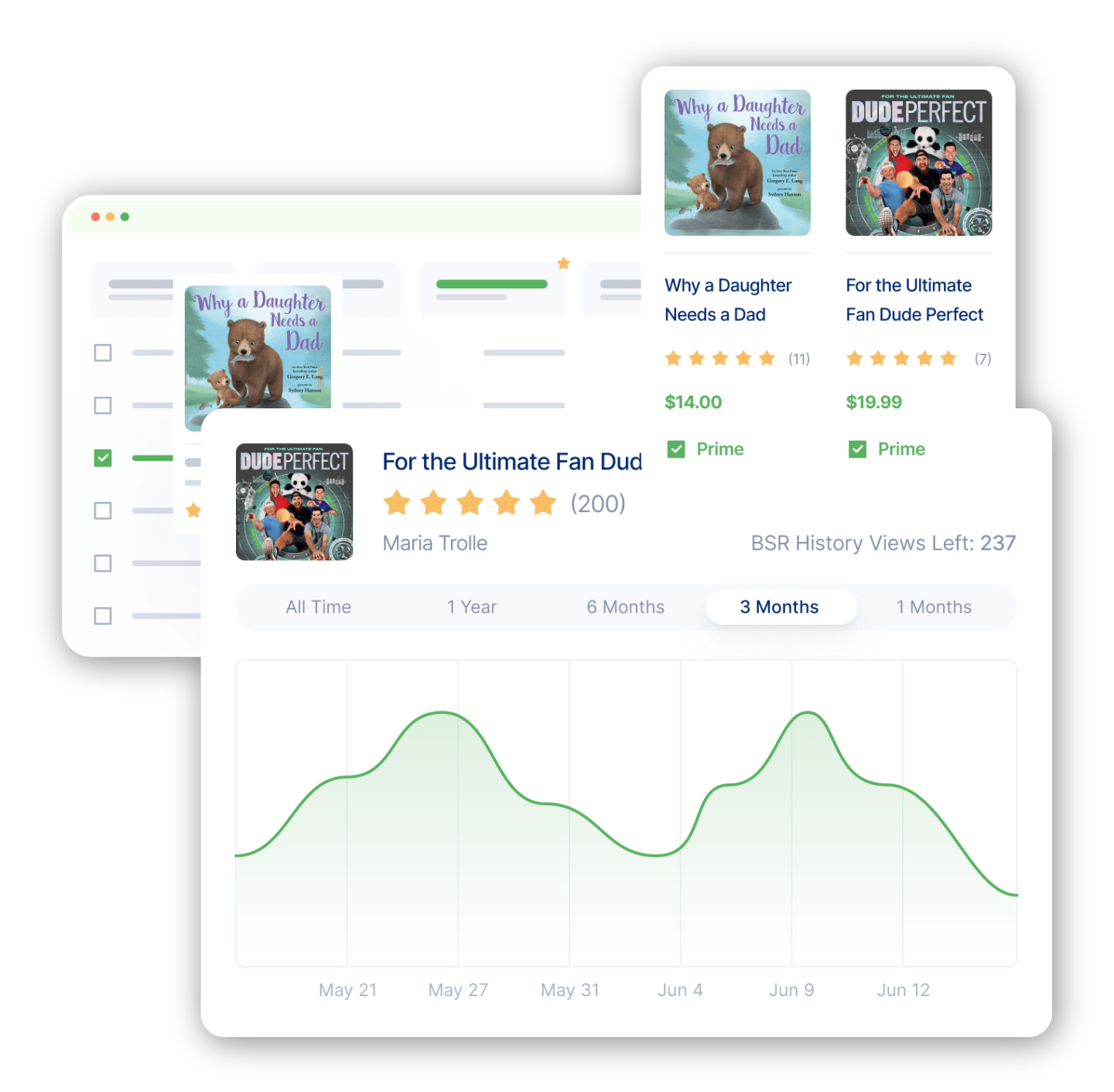
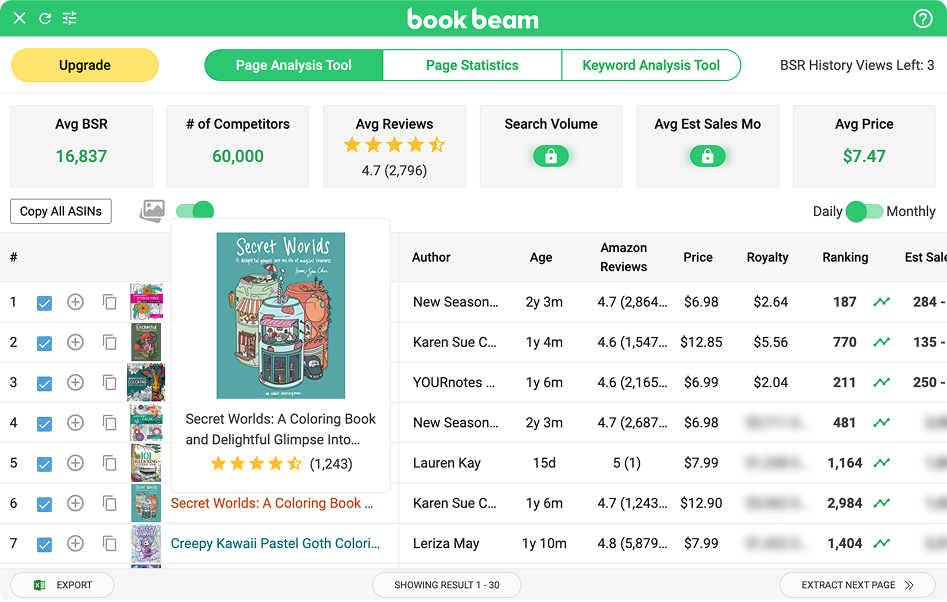
Deploy competitive analysis by routinely comparing your sales and book ranking to best sellers in your category. Study what drives their growth, maybe it’s launch timing, a surge in reviews, or an innovative marketing strategy that you haven’t adopted yet. Use this data to inform your next steps and to keep your book visible in Amazon’s ecosystem. Remember, Amazon’s algorithm responds actively to sales momentum; a smart surge of marketing activity can enhance ranking, resulting in greater organic sales and higher revenue that compounds over time. BookBeam simplifies this process, empowering authors to monitor rankings effortlessly, validate marketing decisions, and map out sustainable growth backed by reliable market insight. If you’re serious about success, consistently monitor your books, analyze what’s working in the best sellers list, and turn ranking data into actionable publishing success.
Optimizing Your Book Listing for Maximum Visibility
Gaining visibility on Amazon begins with how you present your book listing. Your listing isn’t just a shelf; it’s a complex intersection where amazon’s algorithm, keywords, and categories work together to determine your discoverability. Every detail, from your book’s title and subtitle to your chosen categories and keywords, directly impacts whether your book surfaces for readers or fades into obscurity. Understanding these mechanics helps aspiring and established authors connect with the right audience, making each publishing decision a data-backed move, not a guessing game. By perfecting your book listing, you’re not only speaking to readers but signaling to Amazon’s algorithms that your book deserves to be found.
Elements of an Effective Book Listing in Amazon’s Ecosystem
An effective book listing is far more than a catchy title or polished description, it’s the cumulative result of targeted strategies that factor directly into Amazon’s algorithm for discoverability. Start with your book’s title and subtitle: these should not only appeal to readers but must also incorporate relevant keywords your audience is using when searching for a book like yours. Strategic keyword placement in your title, subtitle, and backend keywords section helps Amazon’s algorithm connect your book to interested readers, effectively boosting your book’s visibility and search rankings.
Next, consider the importance of categories. Selecting the most applicable categories and subcategories allows your book to compete in the right context, putting it in front of readers who are primed to buy. Many authors underestimate the power of fine-tuning their category selection, but aligning your book listing accurately helps you climb bestseller charts and take advantage of niche market opportunities. Experimenting with new subcategories, especially those with less intense competition, can significantly improve your chances of gaining traction, as Amazon’s algorithm rewards books that perform well within relevant categories.
Don’t overlook your book description; this is your opportunity to convert curious browsers into buyers. Use clear, concise language and integrate keywords naturally, emphasizing the core benefits and unique selling points of your book. Remember, every element in your listing, cover, description, keywords, and categories, acts as a signal to Amazon. BookBeam makes optimizing these elements easier with tools that help you uncover relevant keywords, analyze competitive listings, and validate if your book listing is truly optimized for maximum visibility. As an author, the fundamentals never change: position yourself where both readers and Amazon’s algorithm can find and elevate your book above the noise. Take the time to tweak, test, and validate; it’s a direct investment in the discoverability and long-term success of your publishing journey.
Decoding the KDP Algorithm: What Every Author Must Know
Understanding the KDP algorithm isn’t optional, it’s your foundation for building real, lasting success as an author on Amazon. While previous insights covered how algorithms drive core functions such as sales rank and book listings, now it’s time to pull back the curtain on the engine that powers discoverability and revenue for indie publishing. Whether you write ebooks, paperbacks, or both, recognizing how Amazon’s algorithm evaluates your book’s marketing signals is essential. Mastering this platform’s mechanics allows authors to validate book ideas, optimize every sales opportunity, and scale publishing ventures backed by reliable data. Let’s break down how the KDP algorithm can make, or break, your publishing goals.
How the KDP Algorithm Impacts Discoverability and Revenue
The kdp algorithm is the invisible hand shaping which books get discovered and, just as importantly, which ones translate discoverability into real sales and revenue. Amazon’s algorithm is designed to serve readers with books they’re most likely to enjoy, and buy, meaning authors who understand this process have a substantial edge in marketing and publishing. Every touchpoint matters: sales velocity, marketing campaigns, your book’s metadata, reviews, even update frequency. The algorithm gathers signals across ebooks, print books, and audiobooks, then matches them to readers’ preferences, browsing habits, and historical purchases.
Authors in indie publishing can’t afford to ignore how algorithms prioritize books. If your sales drop off, discoverability declines; if your ebook maintains a steady sales pattern and triggers positive engagement (like reviews), the platform starts to favor your book, nudging it higher in rank and even recommending it outside your direct audience. Mastering the kdp algorithm directly impacts your book’s visibility, showing up in “Customers Also Bought,” “Recommended for You,” and key Amazon marketing placements.
It’s crucial for every author to routinely analyze the factors that impact the algorithm: pricing strategies, category selection, keyword optimization, and consistent updates to book listings. These actions aren’t guesswork; they’re responses to real-time market data that BookBeam helps you evaluate in minutes, not months. Instead of hoping your books catch on, let the algorithm’s analytics inform every publishing move, especially for indie authors aiming to build a sustainable income. Remember, the marketplace rewards data-driven decisions. By leveraging BookBeam to track competitors, monitor sales, and validate demand, authors can excel at discoverability and reliably turn those opportunities into revenue on Amazon’s ever-evolving platform.
Understanding Amazon’s Role in Book Discovery
Amazon has transformed book discovery like no other platform. It’s not just about uploading your book, success hinges on how Amazon’s algorithm sorts, ranks, and serves your book to hungry readers in a sea of competitors. For authors, understanding this relationship means shifting from blind hope to strategic execution. By focusing on book discoverability and optimizing for Amazon search, you don’t just increase sales, you help your books connect with the exact readers they’re intended for. This clarity brings into focus the mechanics behind visibility, how keyword selection impacts reach, and why mastering the ins and outs of Amazon’s search is critical for every author’s journey.
How Amazon Search Elevates Your Book to the Right Readers
When it comes to book discoverability, Amazon search isn’t just a technical step, it’s the primary battleground where your books earn visibility with readers. Amazon’s algorithm filters millions of titles using sophisticated ranking factors: keywords, sales performance, reviews, and more. The platform’s search bar acts as a direct line between your book and readers looking for their next purchase. That means the keywords you choose, right down to how you weave them into your title, subtitle, and backend data, directly influence where and how your book appears in amazon search results. If you target the wrong keywords or neglect relevant reader queries, you’ll miss out on readers genuinely looking for books just like yours.
By optimizing keywords with data-backed research, you give your book a fighting chance in the ever-evolving Amazon marketplace. Don’t just add any keywords, hunt for those that align with what real readers are using to search. These targeted terms increase your discoverability, funneling interested audiences to your book rather than letting your book languish unseen. It’s the secret to making sure your book doesn’t just exist on the amazon platform, but consistently finds its way into the hands of readers most likely to buy.
Let’s get practical, authors who succeed look for patterns in top-performing books relevant to their genre, then use what they find to refine their keyword and category strategies. When sales start moving, the algorithm gains confidence in your book, rewarding it with higher rankings and more frequent appearances in recommendations and “Customers Also Bought.” Every aspect of your listing, keywords, relevant metadata, and compelling descriptions, works synergistically to boost sales and discoverability on Amazon. With tools like BookBeam, you can analyze the keywords driving both your book and competitors’ success, making it possible to validate demand with data rather than gut feelings. The result? A repeatable process to get your books discovered, sold, and loved by the right readers on the world’s largest marketplace. If you want to stop guessing and start growing, mastering Amazon search is the next action step in your author journey.
Harnessing Book Reviews to Boost Your Book’s Visibility
Book reviews aren’t just nice-to-have feedback, they’re one of the most impactful pillars of visibility, trust, and sales on Amazon. For authors, understanding how to leverage reviews can transform your book’s performance in the marketplace, making it far easier for readers to find and trust your title. After you’ve dialed in your keywords and optimized your listing for the algorithm, reviews become social proof that powers credibility and elevates your book above thousands of competitors. A strategic approach to collecting authentic reviews accelerates discoverability, signals quality to Amazon’s algorithm, and primes readers to choose your book over others. Let’s explore actionable tactics any author can implement right away to generate more reviews and sustainable marketing momentum for your book.
Actionable Tactics for Generating Authentic Book Reviews
Building a strong foundation of authentic book reviews is fundamental for boosting your book’s visibility and long-term sales. Start by connecting directly with your early readers, these are often your most engaged fans who are already invested in your success as an author. Don’t hesitate to reach out via your email list or social media, kindly asking for honest reviews in exchange for an advance copy of your book. Personalizing your requests increases the likelihood of a genuine, thoughtful review and helps you build lasting relationships with your audience.
Another high-impact approach: include a clear, friendly review request at the back of your book. Remind readers how crucial their reviews are for authors, and provide easy instructions on how to leave feedback on Amazon. The simpler you make the process, the more likely readers will act. This tactic directly increases both the volume and quality of reviews, fueling sales and visibility.
Utilize reader magnets to encourage engagement, offer a related bonus resource, a printable, or an exclusive chapter in exchange for joining your email list, then segment out your most loyal readers for review requests. Readers who receive added value from your book are much more likely to support your marketing efforts with positive reviews. Additionally, monitor trends among successful books in your genre; analyze how their reviews affect ranking, conversion rates, and sales using market research platforms like BookBeam. You’ll gain valuable insights into where your book stands and which tactics consistently result in authentic, impactful reviews.
Finally, never resort to fake or incentivized reviews, Amazon’s algorithms are adept at detecting inauthentic activity, and penalties can be swift, crushing both visibility and trust. Keep every touchpoint with readers personable and genuine. Remember, authentic reviews act as the lifeblood of your marketing; they not only persuade readers but send crucial signals to Amazon’s algorithm, ensuring your book receives the exposure, and credit, it deserves on a crowded platform. Make reviews a core part of your publishing fundamentals and watch your book’s discoverability and sales momentum accelerate sustainably.
Algorithms Beyond Sales: Navigating Changes and Trends
Staying ahead as an Amazon author means understanding how algorithms continuously evolve beyond simple sales calculations. While you’ve learned that sales and discoverability rely on strategic positioning, it’s also vital to recognize that Amazon is always updating its algorithms in response to shifting market conditions, user behavior, and industry trends. These changes can impact how books are displayed, how categories are valued, and which factors the platform emphasizes to recommend titles. By mastering the art of tracking algorithmic trends and quickly adapting your marketing approach, you’ll transform unexpected changes from stumbling blocks into strategic advantages. Let’s explore why keeping up with algorithm updates is critical, and how recognizing emerging trends keeps your books competitive on Amazon’s platform.
Why Staying Current with Amazon’s Algorithms Matters
The landscape for authors on Amazon is more dynamic than ever, algorithms drive every recommendation, ranking, and search result that determines your book’s fate. Amazon’s algorithms determine not just which books sell, but also which categories thrive, which trends influence sales, and how individual books gain traction on the platform. It’s not enough to optimize once and hope for stable results; ongoing changes in algorithms mean yesterday’s winning strategy could quickly become outdated. As Amazon refines its platform, small tweaks to algorithms can massively shift what’s required to rank in your chosen categories or capture reader attention amidst evolving trends.
Because sales data is just one factor, you need to monitor shifts in how Amazon weighs reviews, keywords, categories, and even reader engagement. For example, an algorithm update might put more emphasis on recent sales velocity, making rapid marketing pushes or targeted promotions suddenly far more impactful. Just as quickly, algorithms may deprioritize categories that become overcrowded, forcing you to research and pivot to less saturated niches for better visibility.
Success as an author means proactively engaging with these trends instead of reacting when your sales lag. Use market research tools to analyze which algorithmic changes have the biggest impact in your genre. Continually test new keywords, audit your chosen categories, and keep a close eye on how Amazon’s platform is evolving. Recognize that even subtle algorithm changes can alter how books are marketed and discovered. By developing the habit of responding to trends with data-driven adjustments, rather than guesswork, you’ll future-proof your publishing strategy and unlock greater long-term sales potential in a fast-changing digital marketplace.
Making Data-Driven Decisions with BookBeam
Success for Amazon authors isn’t just about writing a great book – it’s about consistently making data-driven choices that outsmart both the competition and Amazon’s ever-changing algorithms. With millions of books vying for visibility, relying on guesswork or outdated marketing tactics leaves too much to chance. BookBeam exists to bridge this gap, empowering authors with robust market research tools, real-time analytics, and actionable data from the Amazon marketplace. Whether you’re an experienced author or just launching your first title, you’ll gain the ability to pinpoint profitable niches, track sales trends, and validate keywords before investing your valuable time. This intelligent, centered approach helps you refine your marketing, align with key categories, and maximize your sales in a landscape that rewards those who act on insight, not mere intuition.
Using Market Research Tools to Outsmart Amazon’s Algorithms
The algorithms powering Amazon’s massive marketplace can seem mysterious, but successful authors know they’re not as impenetrable as they appear, if you have the right tools and market research strategies. BookBeam was designed to give you an edge by translating complex algorithmic signals into practical, actionable steps tailored for authors ready to grow their book sales. With real-time analytics, robust keyword research, and competitor tracking, you can move beyond guesswork and finally understand the forces driving book discovery and sales. This isn’t just theory: using BookBeam’s data-driven platform, you can vet which categories are surging, what keywords readers search for, and how sales patterns shift in response to market demand.
Amazon’s algorithms reward books that maintain consistent sales velocity, use optimized keywords, and are positioned in the right categories. BookBeam’s market research tools allow you to test new keywords, track sales trends, and evaluate how your books (and your competitors) are ranking week by week. Rather than relying on hope, you’ll be able to analyze how each marketing effort moves the needle, adjust your strategy, and validate demand before, during, and after a launch. This approach drastically cuts down wasted effort and maximizes your ROI, key for any author building a sustainable publishing business.
Don’t settle for the status quo. Use BookBeam to discover which books are truly performing in your niche, pinpoint winning categories, and outsmart shifting Amazon algorithms with data-driven insights. By integrating these tools into your publishing workflow, you’re positioning yourself ahead of most authors still relying on outdated tactics. Take action, make market research your competitive advantage, align every decision to what’s actually working in the Amazon ecosystem, and watch your books climb the ranks with confidence and clarity that only comes from reliable data.
Take Action: Validate Your Book Ideas for Long-Term Success
The difference between short-lived sales and true, long-term success on Amazon begins with what you do before you even launch your book. By systematically validating your book ideas and executing a focused launch, you transform guesswork into repeatable results. Building on everything you’ve learned about Amazon’s algorithms, category selection, and keyword optimization, it’s time to make validation your secret weapon. Authors who take action, researching and testing their ideas using structured checklists, see sustainable growth, not just one-off wins. With proven tools and strategic market research, it’s possible to ensure your next book meets real reader demand and positions you for ongoing publishing success. Here’s how to make that approach a habit.
Downloadable Checklist to Research, Validate, and Launch Your Book on Amazon
The smartest authors don’t leave their success to chance; they follow a clear, systematic checklist to research, validate, and launch every book with confidence. This action-oriented approach ensures each publishing decision is built on real market demand, fueling long-term sales and sustainable author careers on Amazon’s platform. Your checklist begins with idea validation, don’t just write a book because you love the topic. Research the current market: analyze competing books, evaluate sales and review patterns, and look for gaps where your book can truly deliver value. Use BookBeam’s analytics platform to dig deep into category trends, check keyword popularity, and assess how similar books are ranking. If your idea aligns with proven reader interest and passes these research milestones, you’re already ahead of most authors.
Once your idea is validated, optimize every aspect of your launch for Amazon’s algorithms. Select your categories and keywords strategically, ensuring both marketing and discoverability fundamentals are covered. List your book with an appealing cover, compelling description, and keyword-rich metadata, this is non-negotiable for maximizing Amazon sales. Track your competitor authors and top-selling books to see what marketing tactics drive success; mimic what’s working, but make your book’s positioning uniquely valuable. When you’re ready to launch, use your checklist to coordinate your marketing: prepare your email list, reach out for initial reviews from engaged readers, and time your promotions to maximize velocity in the crucial first week.
By following this checklist, researching, validating, optimizing, and launching, you transform Amazon publishing into a repeatable business model. BookBeam makes it easy: providing the research tools, platform analytics, and actionable insights you need to keep your checklist current and effective. Don’t just hope for Amazon success; act on proven fundamentals, validate demand, and launch your book equipped to thrive. Download your free validation checklist now to take the first step toward sustained book marketing success!
Mastering Amazon’s book algorithms isn’t just about beating the system, it’s about understanding what your readers want and delivering true value. Leverage insights from platforms like BookBeam to refine your strategy, boost your book’s visibility, and drive consistent sales growth. By making informed, data-driven decisions, you’ll not only work with Amazon’s algorithms but transform them into a competitive advantage. Ready to unlock your publishing potential? Start your journey with BookBeam and give your next book the best possible chance to succeed on Amazon.