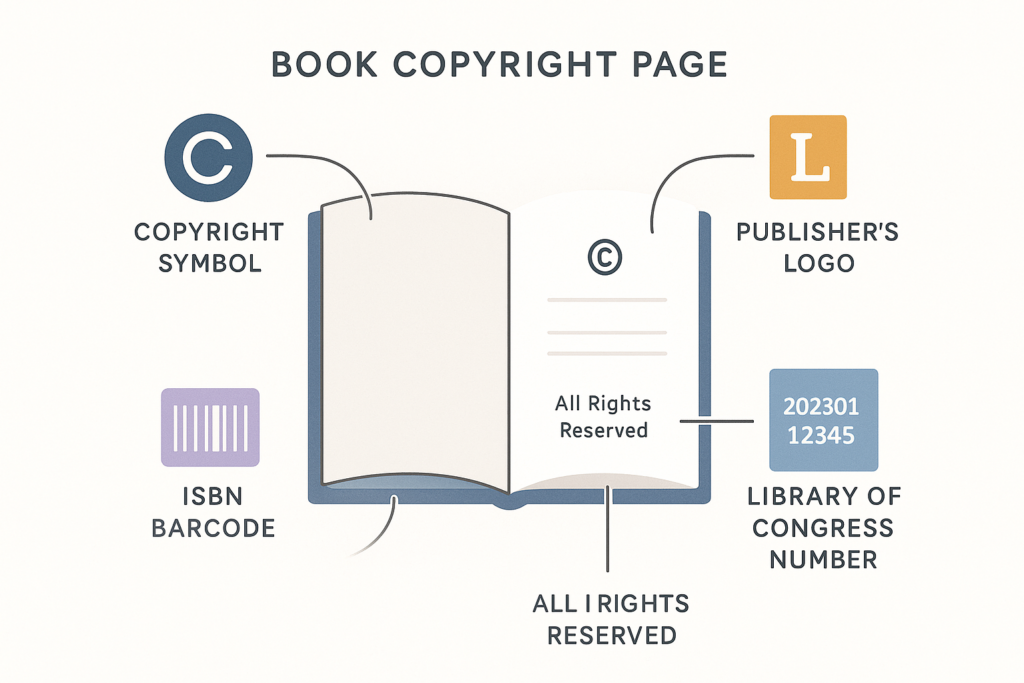
Creating a book copyright page is an important step for any self-published author, helping to clearly state your ownership and protect your work. Whether you’re releasing your first ebook or expanding your publishing portfolio, understanding the correct details to include can save you from potential legal headaches. Learn what information should appear on your copyright page, why each element matters, and access a simple template to streamline the process, making it easier to meet publishing requirements and present a professional finished product to your readers.
Understanding the Importance of Your Book Copyright Page
Every book needs a copyright page, yet many self-published authors underestimate its significance. For anyone publishing through Amazon KDP, the right copyright information acts as a legal safeguard, clearly establishing your rights and helping to prevent unauthorized use or copying. More than just a legal formality, the copyright page reassures your readers and, if enrolled in programs like KDP Select or Kindle Unlimited, ensures smooth platform compliance. Properly crafted copyright pages also support discoverability and professionalism, two attributes that influence both royalties and your brand reputation. By including all required parts and keeping up to date with copyright standards, you’re laying a solid foundation for your book’s success on any digital platform.
Common Misconceptions about Copyright for Self-Publishers
It’s easy to assume that creating a book copyright page is little more than ticking a box, but this misconception leaves self-publishers exposed to unexpected risks. One frequent error is believing that registering with an agency is required before claiming copyright, yet in most jurisdictions, copyright protection is automatic upon creating your book. That said, including a well-structured copyright page is vital for confirming your intentions, showcasing professionalism, and laying out terms that support both you and your readers. Some self-published authors think that a copyright page is only about legal statements, when it’s actually a space to share your copyright notice, contact details, dissuasion statements, ISBN, and even explanations of rights reserved, all pieces of copyright information that shape your relationship with potential readers and other publishers.
Confusion often arises over whether a copyright page must follow a strict template for it to be legitimate. As a specialist in Amazon KDP analytics, I’ve observed that while tradition can provide a guide, eBook platforms like Kindle Direct Publishing invite a degree of customization. You should always include clear copyright information, such as the copyright year, author name, and ‘All rights reserved’ clause. However, you can also add optional sections, like disclaimers, ISBN details, or acknowledgements, without invalidating your copyright claim. Pages lacking certain required parts or clear copyright data can complicate book listings or even delay eBook approvals on KDP.
Another misconception is that copyright only matters for print books. Platforms like Kindle Unlimited have strict compliance checks, and missing or misplaced copyright pages can hurt your ranking or even risk book removal. Beyond KDP, consistent and thorough copyright pages are a signal to aggregators and libraries that your book is professionally published. Many believe skipping the copyright page or using vague statements is harmless, yet digital forensics tools used by publishers often search for explicit copyright details, author identity, and claimed publication rights.
Finally, some new self-publishers underestimate how deeply a well-prepared copyright page can impact royalties. Amazon KDP’s algorithms and metadata processes rely on clear, properly formatted copyright information to keep your book’s status in good standing, optimize discoverability, and prevent royalty blockages due to copyright uncertainties. Using BookBeam’s insights, you’ll find that a little attention to your copyright page not only protects your book but also builds trust, something that can directly shape your Amazon KDP income and your long-term reputation as an author. Remember, the copyright page is not just a formality; it’s a foundational piece of your book’s legal and professional framework.
Required Parts to Include on a Copyright Page
Getting the copyright page right is an important step that protects your work and streamlines your publishing journey. Every book copyright page must include certain required parts, providing clear copyright information that supports both your legal rights and Amazon KDP guidelines. Including the right copyright page components can help prevent book approval delays and drive trust with readers across KDP Select, Kindle Unlimited, and other digital platforms. Understanding what copyright information is truly necessary, and how automated copyright standards evolve, gives you an advantage, especially when aiming for higher book sales, smooth royalty processing, and professional presentation. BookBeam helps authors navigate these requirements, making sure each copyright page contains precisely what’s needed to protect your book and boost discoverability.
How BookBeam Identifies the Latest Copyright Standards
Staying current with copyright page requirements can be overwhelming, especially with constant updates in digital publishing standards. BookBeam is built to help authors confidently meet required parts of a book copyright page, ensuring every copyright page is fully aligned with Amazon KDP, Kindle Unlimited, and global industry expectations. With exclusive access to real-time copyright data and analytics, BookBeam pinpoints any copyright information omissions that might cause problems on your book copyright page, whether you’re publishing print or eBooks.
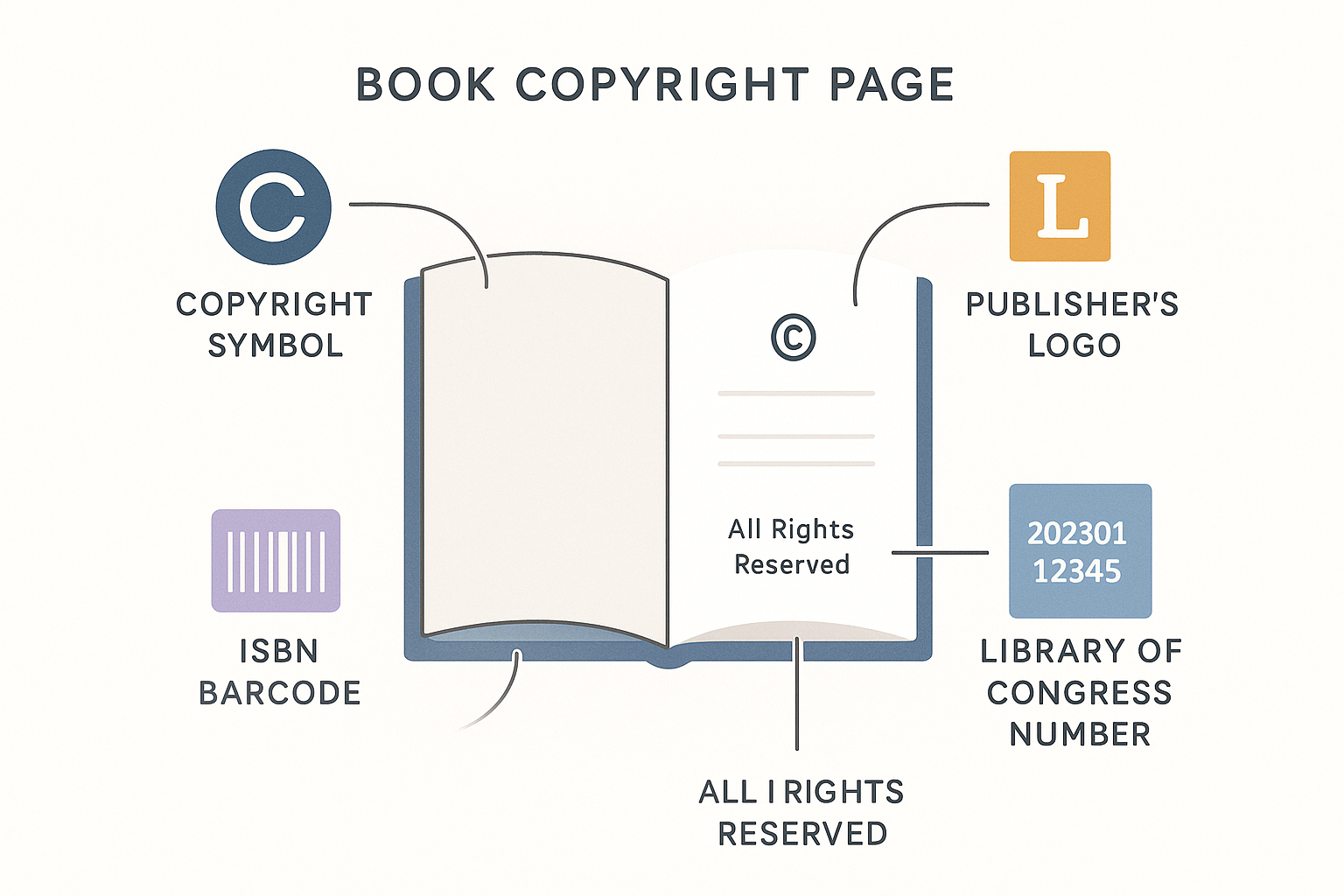
A typical copyright page must feature elements like the copyright notice (including the copyright symbol, year, and book author’s name), a clear rights statement, and contact details for permission inquiries. But, depending on your publishing path, the required parts can expand to include copyright information like publisher details, ISBNs, disclaimers, credits for photography or illustrations, edition statements, even Library of Congress or CIP data for broader reach. BookBeam continually scans updates from publishing authorities, KDP documentation, and copyright standards databases, immediately flagging shifts in what’s legally or commercially important to feature on your copyright page or copyright templates.
Instead of leaving copyright information accuracy to guesswork, BookBeam’s automated copyright page analyzer reviews your page layout and content, comparing it to the latest publishing standards and what’s currently trending among top-ranked books. This includes spotting easy-to-miss copyright page errors, such as misplaced copyright symbols, outdated years, missing copyright templates, or absent required parts that could impact book listings or eligibility for KDP Select and Kindle Unlimited. The tool also alerts you if your copyright information or page formatting does not follow current copyright page best practices, meaning you bypass common pitfalls that might jeopardize your book’s distribution.
BookBeam doesn’t stop at the basics. For every author, whether you’re crafting your copyright page from scratch or updating an old book copyright page for a new edition, BookBeam provides template suggestions that meet both the letter and the spirit of evolving copyright standards. This technology ensures your copyright page includes every required part, helps you maintain a consistent copyright information structure, and prepares your book for global release, no matter how frequently copyright requirements change.
If you’re new to publishing or just want to maximize book royalties and professional standing, trust BookBeam’s copyright dashboard to keep you updated. Regular reminders, proactive copyright information checks, and keyword-specific copyright page optimization make certain that every page, copyright, title, or otherwise, meets the latest industry criteria. Your copyright page isn’t just checked for the minimum copyright notice; it gains a comprehensive review for all required parts and optimal copyright page formatting.
For Amazon KDP authors, especially those enrolled in KDP Select and Kindle Unlimited, BookBeam takes the guesswork out of copyright compliance. By doing so, it not only keeps your copyright page solid but also boosts search rankings, prevents royalty disputes, and positions your book for greater success. Don’t risk overlooking the required parts or correct copyright information; let BookBeam’s expert analytics guide your copyright page setup and help you protect your creative work every step of the way.
Copyright Notice and Legal Statements Explained
Getting the copyright page wording right is about more than just formalities, it’s about clearly protecting your book’s intellectual property and maximizing your publishing advantages. The language on your copyright page communicates ownership, legal boundaries, and permission standards while directly impacting your Amazon KDP listing’s compliance and discoverability. Elements such as the copyright symbol, year, author’s name, and a robust rights statement make up the backbone of your copyright notice. By carefully selecting your wording and including all required parts, you not only prevent infringement but also foster trust with readers, retailers, and platforms like KDP Select and Kindle Unlimited. BookBeam’s research highlights that effective copyright information placement and clarity are closely tied to uninterrupted royalty flow and professional success.
Choosing the Right Wording for Your Copyright Protection
The wording you use on your copyright page is as important as including the right information itself. As an Amazon KDP earning analyst, I’ve seen firsthand how the phrasing on your book copyright page acts as both a legal declaration and a signal to platforms that your copyright claim is unambiguous. The central elements, copyright symbol (©), year of publication, and author’s name, should appear at the top or near the center of the copyright page for maximum visibility. For instance, “© 2024 [Author Name]. All rights reserved.” satisfies global copyright conventions while streamlining your approval through Kindle Direct Publishing.
However, successful copyright protection extends beyond this base notice. Your copyright page should include a rights statement making it clear which activities are prohibited without your permission, such as “No part of this book may be reproduced or transmitted in any form or by any means, electronic or mechanical, including photocopying, recording, or by any information storage and retrieval system, without written permission from the publisher or author.” Including this wording ensures your book’s protection is communicated directly to readers and to the KDP compliance algorithms that scan for standard copyright information. If you plan to allow some uses, such as short quotes for reviews, a simple permissions statement like “Reviewers may quote brief passages for purposes of review, provided proper credit is given” helps preempt misunderstandings without weakening your copyright claim.
For authors enrolled in KDP Select and those leveraging Kindle Unlimited for reading royalties, it’s vital that the copyright page uses language consistent with Amazon’s requirements. For example, stating the book is a “work of fiction” (if applicable), disclaimers about resemblance to real persons, and exclusion of liability for advice or data provided can further strengthen your copyright page’s legal effectiveness. BookBeam’s analytics have also shown that clearly stating the country where the copyright is claimed aligns with international copyright conventions, such as “Copyright © 2024 [Author Name], United States and international copyright laws apply.”
Choosing a copyright template that matches your book and market is also advised. Many authors mistakenly use outdated copyright page formats or skip elements like edition notices, ISBN placement, or digital disclaimer sections. A simple but modern copyright page includes:
© 2024 [Author Name]
All rights reserved.
No part of this book may be reproduced in any form without written permission from the publisher, except for brief quotations in reviews or scholarly articles.
ISBN: [Your ISBN Here]
First Kindle edition.
For at-a-glance compliance, BookBeam offers up-to-date copyright templates tailored to Amazon KDP’s specific metadata and copyright requirements, keeping every book copyright page consistent with the latest best practices. Careful wording on the copyright page not only honors your creative work but also prevents costly mistakes or rejection from KDP’s review process.
Making these choices isn’t just about legal coverage, it’s about presenting your book as a professional, trustworthy offering on every platform. Each detail on the copyright page, from the copyright notice to the supporting statements, helps prevent confusion, supports royalty reconciliation, and directly impacts discoverability and sales potential. Rely on data-driven solutions like BookBeam to ensure your copyright page is accurate, compliant, and fully ready for both eBook and print publishing.
Formatting Your Copyright Page for eBook Success
Setting up your copyright page correctly in an eBook isn’t just about following tradition, it’s a strategic choice that impacts everything from reader experience to platform compliance. With Amazon KDP, Kindle Unlimited, and KDP Select offering different tools and visibility, the way you format your copyright page can influence both discoverability and royalties. Proper formatting, informed by a well-designed page template and up-to-date copyright templates, supports book approval processes, avoids costly errors, and presents your copyright information professionally. For authors using BookBeam, understanding current formatting standards is straightforward, helping you rise above common pitfalls while keeping your book and copyright page future-proofed in the fast-changing eBook landscape.
Preventing eReader Issues with Page Placement
The placement of your copyright page is much more than a design choice, it’s central to reader experience and technical compatibility across a variety of eReaders. If you’re publishing for Amazon KDP, KDP Select, or Kindle Unlimited, precise page placement helps avoid navigation problems, ensures compliance, and secures your royalty stream. In many cases, the copyright page is the first interior page after your title page, following widely accepted eBook formatting conventions. This location allows automated tools, such as Amazon’s Look Inside, BookBeam analyzers, and other eReader feature sets, to quickly recognize, index, and validate your book copyright information.
Improper or inconsistent page placement on the copyright page can cause an array of avoidable problems. For example, if your copyright page appears after the table of contents or deep within early chapters, eReaders might misinterpret navigation markers. This error can result in readers missing your copyright notice, algorithms skipping required parts, or automated systems generating errors in your copyright data. On Kindle Unlimited and KDP Select, where automated scans are frequent, placement mistakes can mean approval delays, loss of distribution privileges, or even erroneous royalty withholding until your copyright page is corrected.
A tested best practice is to use clear copyright templates that prioritize visibility and ease of access. The copyright page should contain all copyright information, your copyright notice, year, and rights statement, structured on a single, easily discoverable page. This simple approach satisfies copyright standards and ensures no part of your book copyright claim is overlooked by software or human review. For Amazon eBooks, the preferred page template situates this page right after the title page and before the table of contents, providing maximum clarity for both eReaders and readers.
BookBeam research highlights that professional formatting of the copyright page closely ties to higher sales and fewer support issues. Authors sometimes attempt to compress or hide the copyright information within busy front matter, but this often leads to negative outcomes. Issues such as missing required parts, broken navigation, or incomplete copyright metadata frequently stem from poor page placement. Kindle Direct Publishing’s automated quality checks are designed to identify and flag these errors before launch, but not all are caught in advance, resulting in the risk of sudden removal or returned books.
For digital publishing success, always review your copyright page using both a live eReader device and KDP’s online preview tool. Watch for formatting changes that could shift the copyright notice or move copyright templates out of the recommended position. Additionally, update your copyright information if republishing, even minor title or edition changes, so your page template remains consistent with the latest copyright standards. By following these practical guidelines, you’ll meet compliance requirements for Kindle Unlimited and KDP Select while creating a seamless experience for readers.
BookBeam’s analytics suite can validate your eBook’s copyright page, quickly pointing out any placement or formatting issues before you submit your book. Leveraging these data-driven recommendations gives you a distinct advantage: your copyright page won’t just look good, it’ll actively support your rights, align with Amazon’s compliance expectations, and help maximize your royalties by ensuring that every required part is accurately presented where it’s easily found.
Adding CIP Data and Other Optional Details
While getting the main required parts of your copyright page right is essential for legal clarity and Amazon KDP compliance, advanced elements like CIP data and other optional details can further boost the professionalism and reach of your book. Cataloging in Publication (CIP) data isn’t mandatory for most self-publishers, but for authors who want their book in libraries or international catalogs, it adds significant value. CIP data, placed on the copyright page, includes cataloging information structured for easy indexing by libraries, making your book more accessible beyond standard retail channels. This can prove useful if you’re looking to increase discoverability, especially if you plan to expand your book’s distribution beyond Kindle Unlimited and KDP Select.
Adding CIP data to your copyright page communicates to institutions and aggregators that your book is ready for broader circulation. It includes subject headings, classification numbers, and sometimes even contributors, all of which help librarians and book professionals locate and recommend your book efficiently. If you don’t qualify for official Library of Congress CIP data as a self-publisher, you can consider Publisher’s CIP or a broadly formatted “summary CIP” generated with the help of metadata tools. BookBeam’s analytics identify when including such details could improve your book’s profile, especially when aiming for library sales or academic use.
Besides CIP data, your copyright page can house a variety of optional enhancements. These might include a dedication statement, acknowledgments, disclaimers clarifying the book’s genre or purpose, additional ISBNs for different formats, or explicit contact information for rights and permissions inquiries. Including a digital copyright notice for eBook security or referencing the terms under which the book is licensed, such as Creative Commons or standard “All rights reserved”, further protects your work. A modern copyright page template might also list contributors, such as cover designers or editors, promoting transparency and building author credibility with readers and partners alike.
To streamline this, BookBeam provides copyright templates and automated suggestions, ensuring your copyright page isn’t just legally solid but optimized for your publishing ambitions. Whether you’re updating your copyright information, fine-tuning your page template, or responding to shifts in copyright standards, the inclusion of these optional details is guided by what’s currently benefiting top-performing books. For KDP Select authors, clear and complete copyright information, including both the required and extra parts, directly ties to successful enrollments and sustained royalty streams. Remember, every detail on your copyright page, from CIP data to supplementary credits, is a chance to reinforce your book’s legitimacy and support its long-term visibility. Ready to optimize your copyright page for both protection and opportunity? Let BookBeam’s data-driven recommendations help you build a copyright page that leads the way in today’s competitive book landscape.
Copyright Page Template for Kindle Direct Publishing Authors
Publishing your book on Amazon KDP means your copyright page isn’t just a legal checkpoint, it’s a key element in your book’s presentation and compliance strategy. Using a clear page template keeps your copyright information organized and easy for both readers and Kindle Direct Publishing systems to verify. Whether you’re using traditional copyright templates or seeking a more customized approach, following a practical book copyright page layout ensures every required part is included and accessible. Below, you’ll find a sample copyright structure designed to fit the needs of Kindle authors, especially those enrolled in KDP Select or looking to maximize their exposure through Kindle Unlimited.
A strong copyright page starts with the essential copyright notice. For most self-publishers, this looks like:
Copyright © [Year] [Author Name]
All rights reserved.
No part of this book may be reproduced, stored in a retrieval system, or transmitted in any form or by any means, electronic, mechanical, photocopying, recording, or otherwise, without prior written permission from the publisher or author, except in the case of brief quotations for reviews or scholarly articles.
ISBN: [Your Book’s ISBN]
First Kindle edition.
For permissions or more information, contact: [author email or website].
This page template covers the core copyright information required by KDP and most global publishing standards. Customizing your page with nuances like edition statements, contact information, or a tailored rights clause keeps your book copyright page both professional and future-proof. BookBeam’s analytics indicate that including all relevant copyright data increases compliance, speeds up book approval, and helps maximize your reach as a self-publisher. Using up-to-date copyright templates and confirming your copyright page formatting before submission are habits that prevent costly errors or delays.
If you’re planning broader distribution, such as library sales or international platforms, consider adding CIP data or credits for contributors. BookBeam easily identifies when your copyright page could benefit from these optional extras, using analytics from leading book metadata trends. For Kindle Unlimited and KDP Select enrollment, making sure your copyright page template is comprehensive and matches Amazon’s guidelines reduces problems with listing or royalty payouts.
Ready to boost your publishing success? Implement this sample copyright model or modify it to reflect your specific publishing situation. BookBeam’s library of modern copyright templates and its page analyzer ensure your book copyright remains accurate, compliant, and tailored to today’s evolving copyright standards. The right copyright page is about protecting your work, supporting continuous sales, and positioning your book for long-term success across all Amazon KDP platforms.
Copyright Considerations When Enrolling in KDP Select and Kindle Unlimited
When publishing an ebook through Amazon KDP, joining programs like KDP Select and Kindle Unlimited introduces unique copyright considerations that every author must address. The copyright page in your book is more than a formality, it acts as a binding declaration of ownership and compliance for both platforms. For KDP Select, Amazon requires your book’s digital version to be exclusive while enrolled, making it vital for your copyright page to confirm your control over distribution rights. Clear, accurate copyright information helps avoid accidental breaches, which can result in penalties or removal from these lucrative programs.
Your book copyright page should explicitly state all rights reserved, and reflect any exclusivity with Kindle Unlimited and KDP Select. If Amazon detects overlapping distribution, such as your book being offered elsewhere in digital format, the copyright data on your page may be referenced during their review. Authors must use updated copyright page language and copyright templates that specify the current year, author name, and the “All rights reserved” clause. BookBeam research shows that including precise copyright information and using modern page templates vastly reduces the likelihood of listing interruptions.
Moreover, the copyright page is a valuable place to clarify rights for both international and domestic publishing. Since Kindle Unlimited appeals to markets worldwide, it’s beneficial to mention that your copyright is recognized under global copyright standards. Indicating this supports your book’s standing with Amazon’s automated systems, which scan copyright pages for required parts, such as the copyright symbol, date, and the type of copyright claim. Errors here, like missing copyright or outdated copyright wording, frequently cause royalty suspensions or processing delays, particularly if Amazon’s bots can’t confirm your rights to enroll.
KDP Select’s periodic exclusivity reviews underscore the need to keep your copyright information and page template current every time you update your book. Should you alter any content, edition status, or rights statement, refresh your copyright page and employ the latest copyright templates to reflect those changes. BookBeam’s real-time compliance checks can audit your book copyright page for alignment with the latest standards, catching missteps before they impact sales. Carefully structured copyright pages not only protect your intellectual property and maintain Amazon eligibility, but they also strengthen reader confidence and your professional profile as a self-publisher.
Before submitting your next book, take advantage of BookBeam’s copyright analytics. This tool reviews every part of your copyright page, from copyright notices to optional contributor listings, ensuring the copyright information is properly presented and all required parts are present. This minimizes mistakes, allows uninterrupted enrollment in KDP Select and Kindle Unlimited, and ensures your royalties stay secure. A transparent, accurate, and well-formatted copyright page is your best safeguard for consistent income and book credibility in today’s competitive Amazon marketplace.
Creating a polished copyright page not only protects your work but also demonstrates your professionalism as an author. With BookBeam’s powerful tools, you can stay ahead in your publishing journey, confidently reaching new readers and maximizing your book’s impact. Download our free copyright page template and discover how our analytics and optimization features can help streamline your self-publishing process. Whether you’re publishing your first ebook or expanding your catalog, BookBeam is your trusted partner every step of the way.